
Last updated November 2, 2026
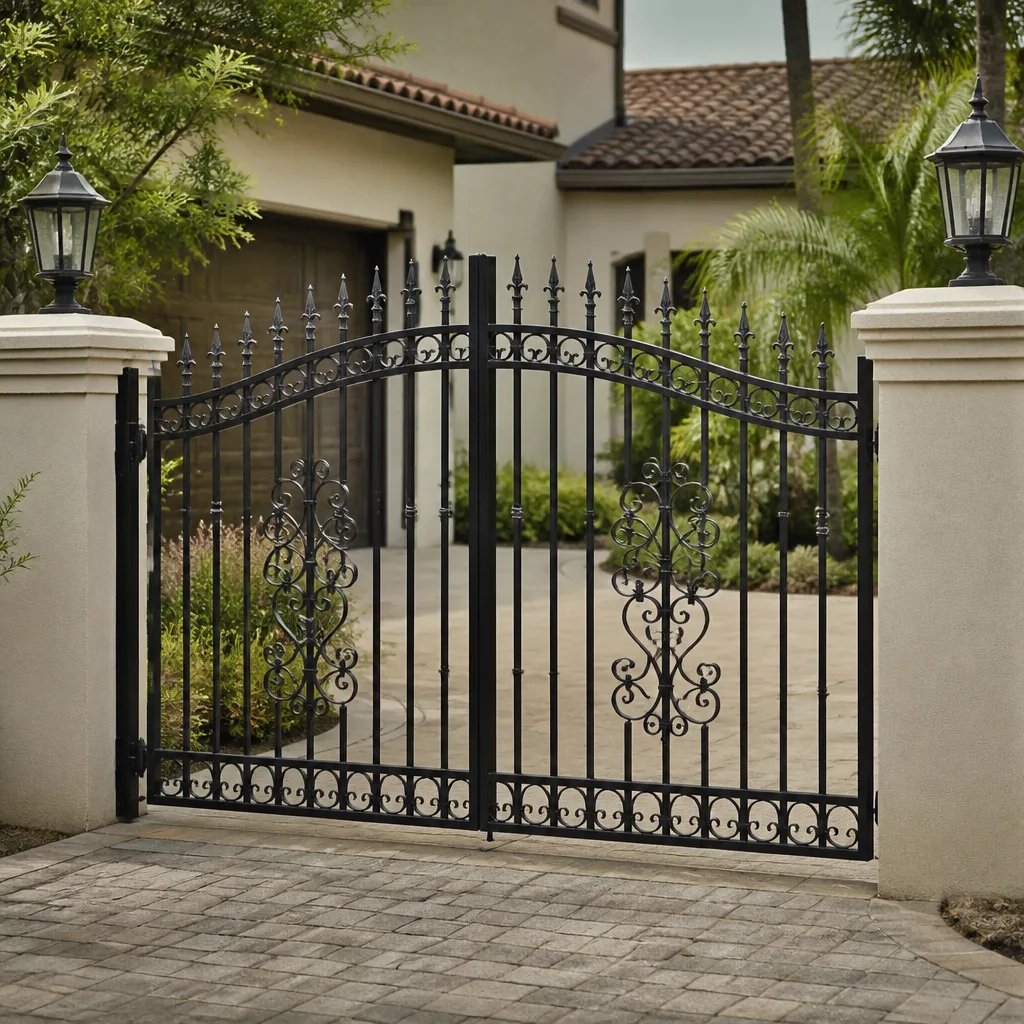 Wrought iron
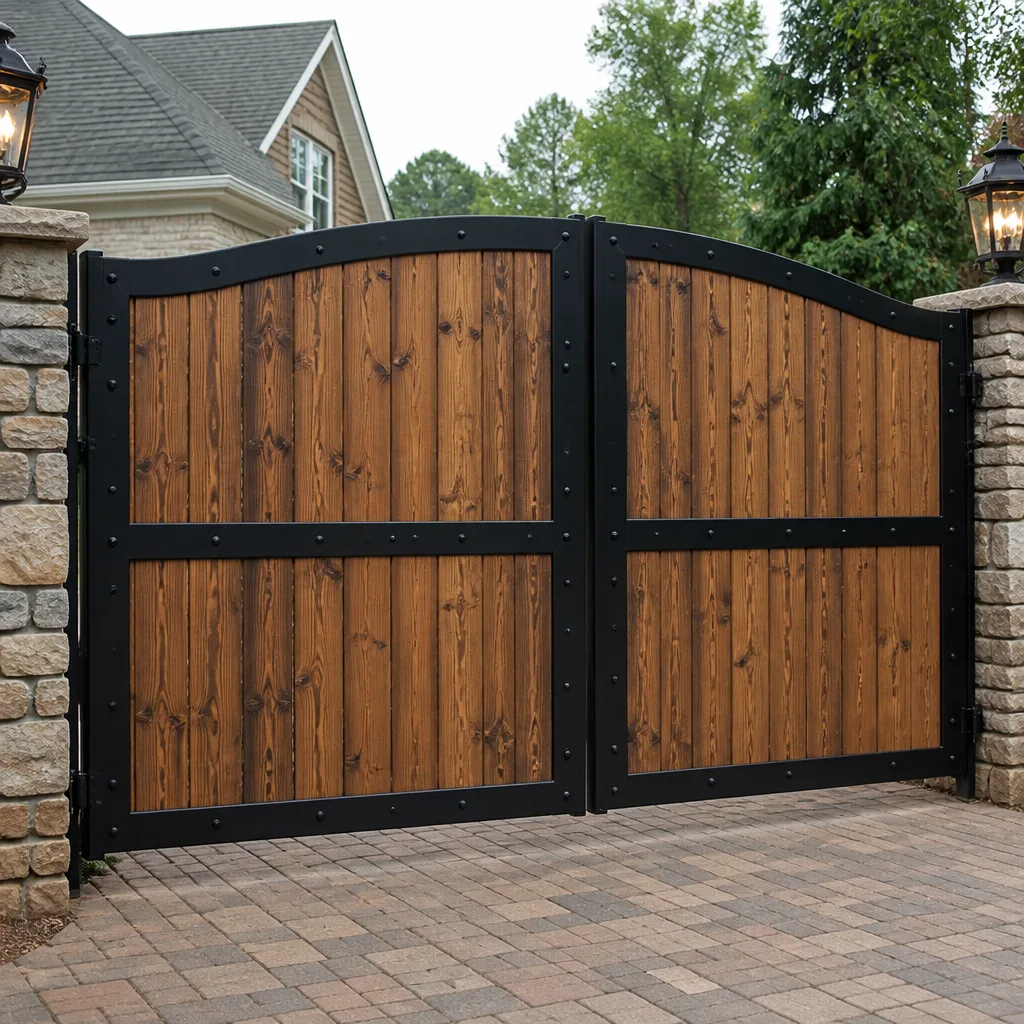 Wood & steel frame
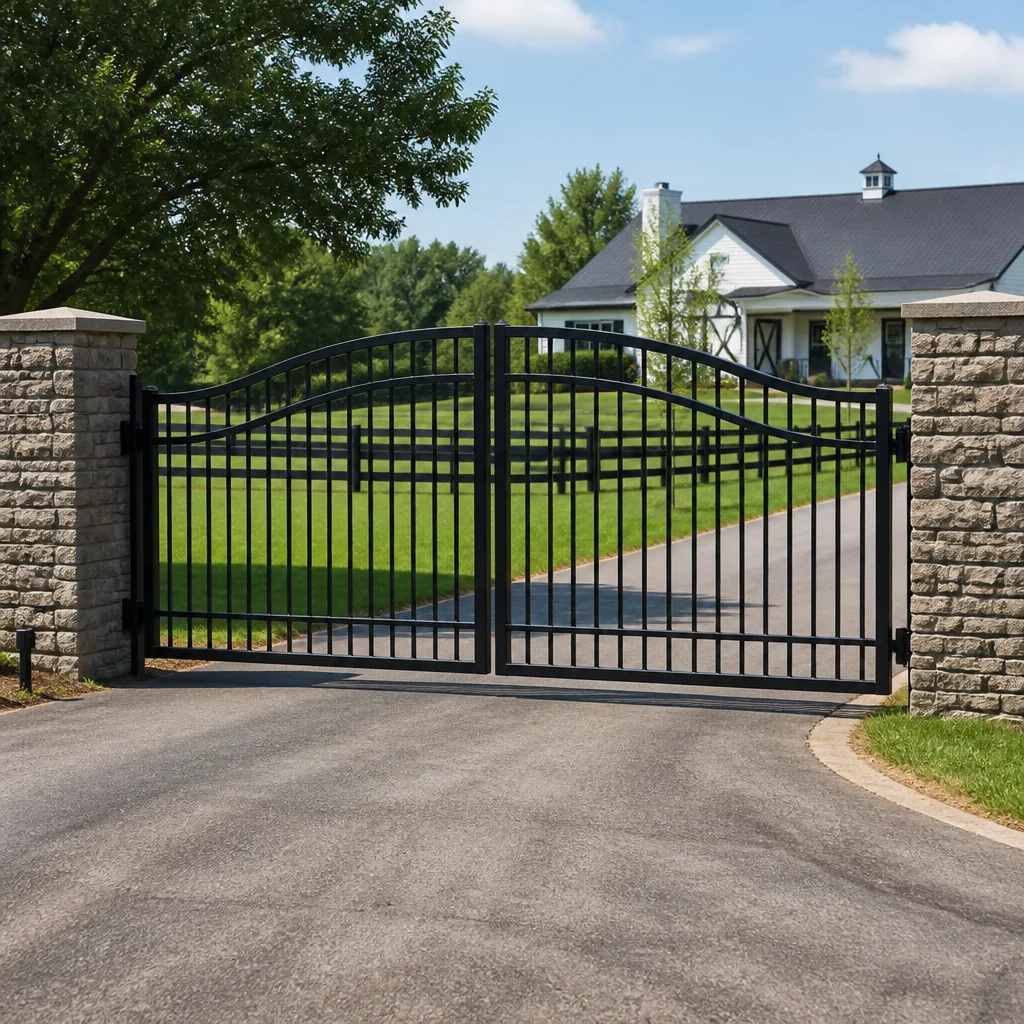 Farm & ranch
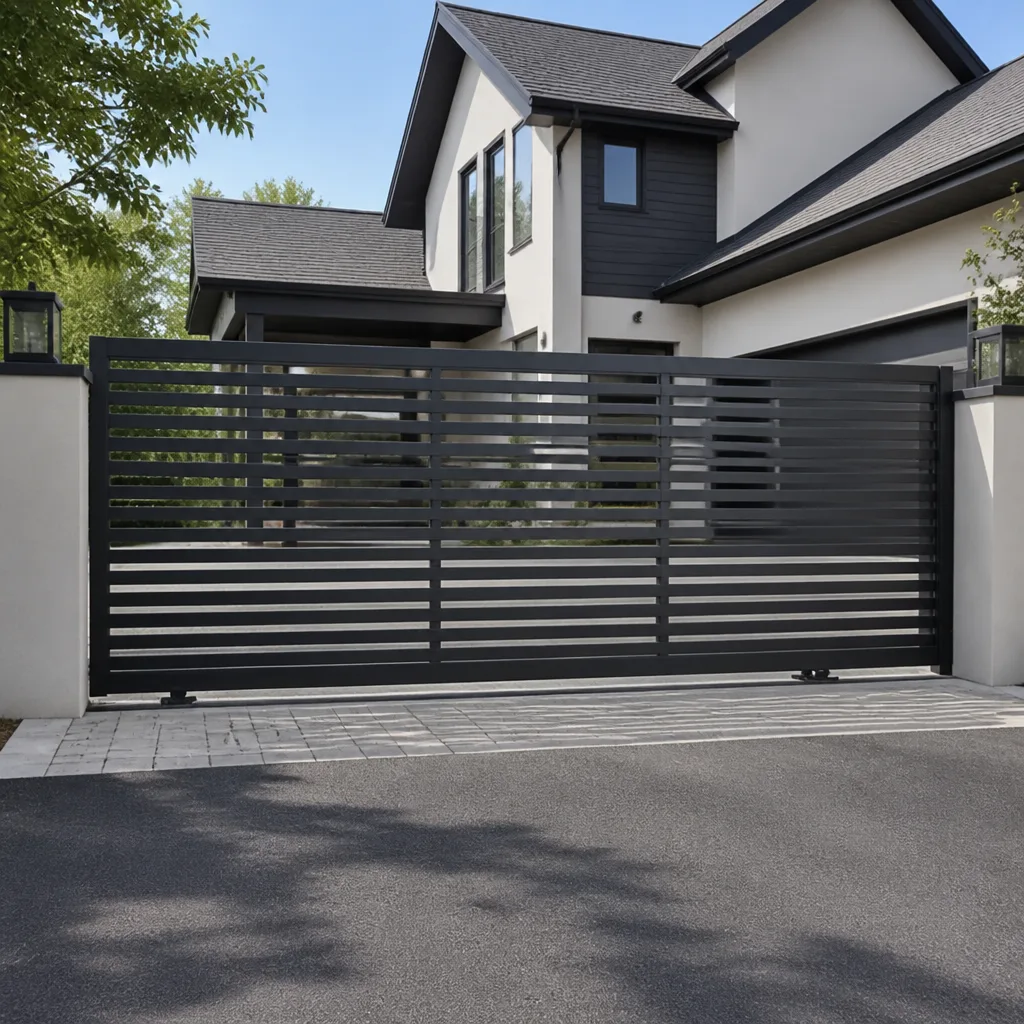 Sliding driveway gates
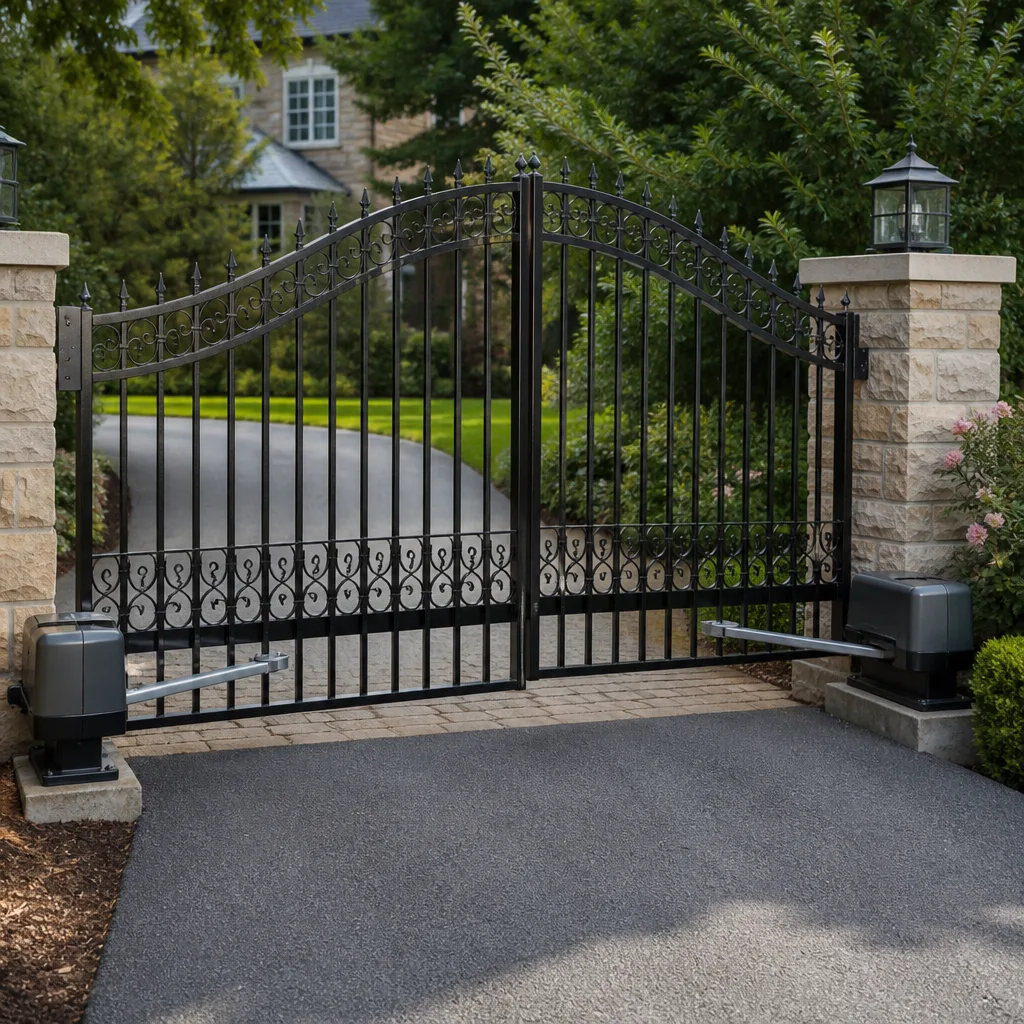 LiftMaster operators
Free on-site gate assessment - hinges, posts, and your LiftMaster or Nice gate operator checked before anything is quoted
The assessment is free and the quote is the invoice.
Get your free estimateHow to Hire a Gate Repair Contractor in Jurupa Valley: A Step-by-Step Guide
Here’s a fact most Jurupa Valley property owners don’t learn until it’s too late: California has no “gate repair license.” The state’s contractor classification system treats gates as an afterthought, lumping them under door repair or electrical work or general building. What that means for you, standing in your driveway in Jurupa Valley looking at a gate that won’t open, is that two very different people can hand you identical-looking business cards. One spent years training on LiftMaster and FAAC operator systems. The other watched a tutorial last week. This guide walks you through the exact process of separating the specialist from the gambler, so you pay once and the gate actually stays fixed. For ongoing care, see our Seasonal Gate Repair Care for Jurupa Valley: Year-Round Homeowner’s Guide.
Quick Answer
To hire a gate repair contractor in Jurupa Valley, verify their California license classification (C-61/D28 for gate work, C-10 for electrical components), ask directly which operator brands they’re factory-trained on, and require a written quote before any work begins. The fastest way to identify a specialist is to ask one question: “Which of these brands do you service?” and listen for specific names like LiftMaster, FAAC, BFT, or Mighty Mule instead of a vague “all of them.”
Styles & brands we work with
- Wrought iron
- Wood & steel frame
- Farm & ranch
- Sliding driveway gates
- LiftMaster operators
Table of Contents
- What California Licenses Actually Apply to Gate Work
- How to Verify Operator Brand Training (The One Question That Exposes Generalists)
- Red Flags Specific to Gate Contractors
- Why Three Bids Can Backfire on Gate Repairs
- Questions to Ask About Parts Sourcing: OEM vs. Aftermarket
- The Step-by-Step Hiring Process
- What to Expect After You Hire
What California Licenses Actually Apply to Gate Work
California’s Contractors State License Board (CSLB) doesn’t have a dedicated gate category, which is exactly why hiring gets confusing. Gate work falls under a patchwork of classifications, and knowing which one applies to your situation in Jurupa Valley is the first filter.
The C-61/D28 classification covers “Door, Gate, and Activating Devices.” This is the closest thing to a gate-specific license in California, and it’s what a legitimate gate contractor should hold. It covers the physical gate, the hinges, the track, the operator arm, and most mechanical components. If someone claims to be a gate specialist but doesn’t hold a C-61/D28, that’s your first red flag.
The C-10 classification is for electrical work and matters when the repair involves wiring, circuit boards, or power supply to the operator. Many gate failures are electrical in nature, even when they look mechanical. A gate that won’t respond to the remote might be a dead motor, but it might also be a failed control board or a short in the underground loop. A contractor with both C-61/D28 and C-10 credentials can handle the full system without calling in a third party.
Some general contractors hold a C-10 and will take gate work because they can legally touch the wiring. But a C-10 holder without gate-specific training is a licensed electrician, not a gate specialist. In our experience across Jurupa Valley, we see a lot of gates that were “repaired” by electricians who fixed the power and missed the underlying mechanical failure that killed the motor in the first place. The gate works for six weeks, then fails again.
Here’s what to ask for, in plain language:
- C-61/D28: The gate-specific classification. Non-negotiable for anyone calling themselves a gate repair contractor.
- C-10: The electrical classification. Needed for motor, board, and wiring work.
- General B: A general building license. Legally allows some gate work but signals a generalist, not a specialist.
- No license at all: Walk away. Every time, no exceptions.
You can verify any of these on the CSLB website using the contractor’s license number. The number should be printed on their business card, their vehicle, and their quote. If they hesitate when you ask for it, that hesitation is your answer.
How to Verify Operator Brand Training (The One Question That Exposes Generalists)
Operator brands are not interchangeable. A LiftMaster LA400 behaves differently from a FAAC 400 when the control board fails. A BFT operator has different safety loop logic than a Viking. A Mighty Mule opener has its own diagnostic patterns. A technician who is factory-familiar with these systems can usually identify the problem from symptoms alone, while a generalist has to open the box and start guessing.
The single most revealing question you can ask a gate contractor in Jurupa Valley is this: “Which operator brands do you work on, and where did you get trained on them?”
Listen carefully to the answer. A specialist will name brands without pausing: LiftMaster, FAAC, BFT, Linear, Viking, Ghost Controls, DoorKing, Elite, Mighty Mule. They’ll reference specific training or years of hands-on diagnosis. A generalist will say something like “we service all brands” or “we can figure out any system.” That vagueness is the tell. You can’t “figure out” a DoorKing 9150 if you’ve never seen one before, and you’ll be paying for that learning curve.
Here’s the practical test:
- Ask which of the nine major operator brands they’re trained on.
- Ask them to name the operator brand on your gate. If they’re standing in front of it and can’t identify it by sight, that’s a problem.
- Ask what the most common failure is for that specific model. A specialist answers immediately: “On the FAAC 400, it’s usually the hydraulic pump or the limit switches. On the LiftMaster LA400, it’s often the control board.”
- Ask if they carry parts for your brand on the truck or need to order them. Specialists stock common parts for their core brands.
This matters in Jurupa Valley specifically because so many gated properties here run on a mix of residential and commercial-grade systems, often depending on when the property was developed and whether it’s a single-family home, an estate, or a multi-unit property. A contractor who only knows residential Mighty Mule units will be lost on a commercial FAAC or BFT installation. A contractor who only does commercial DoorKing work might overcomplicate a simple Ghost Controls repair. You want someone with range across the spectrum.
We’re trained and experienced on nine named gate operator brands across residential and commercial lines. When a technician arrives, they recognize your operator by sight and know its failure patterns. That’s not a marketing claim. It’s just what specialization looks like.
Red Flags Specific to Gate Contractors
Every home service has generic red flags: no license, no insurance, no references. Gate work has its own specific warning signs that most hiring guides miss. Here’s what to watch for in Jurupa Valley:
No physical address on the quote or website. Gate contractors need a shop or storage yard for parts inventory, operator units, and fabrication equipment. A contractor with only a cell phone number and a Gmail address might be a one-person operation working out of a truck. That’s not automatically disqualifying, but combined with other red flags, it’s a pattern.
No liability insurance rider covering automation equipment. Standard general liability covers property damage, but automated gates involve motors, control boards, and safety sensors. If the repair fails and the gate closes on a vehicle or a person, the liability question gets complicated. Ask specifically: “Does your insurance cover automated gate systems?” A specialist has been asked this before and answers without pausing.
Quotes given without seeing the gate. We hear this one constantly: a property owner calls, describes the symptom, and the contractor quotes a price over the phone. A legitimate gate contractor cannot diagnose a gate by phone. The symptom “gate won’t open” could be a dead remote battery, a failed capacitor, a stripped gear, a blown control board, or a broken hinge. The fixes range from $10 to $3,000. Anyone quoting without seeing the system is either guessing or planning to pad the invoice later. Our process is simple: diagnose first, quote before we start. No surprises, no phone estimates.
No warranty structure mentioned until you ask. Gate parts and labor should carry a warranty, and the contractor should proactively tell you what it is. If you have to drag the warranty conversation out of them, that tells you how they handle callbacks.
Refusal to identify the exact part being replaced. A specialist will say “your FAAC 400’s hydraulic pump has failed and we’re replacing it with an OEM pump.” A generalist will say “we need to replace a component and it’ll be $900.” If they won’t tell you what the part is, the brand is, and whether it’s new or used, walk away.
None of these alone is a dealbreaker, but two or three together is a clear signal. The gate industry is small enough that the good operators in Jurupa Valley know each other, and the bad ones have reputations that follow them.
Why Three Bids Can Backfire on Gate Repairs
Conventional hiring advice says get three quotes. For gate repair, that advice can cost you money and leave you with a broken gate longer. Here’s why.
Gate repair is a diagnostic discipline before it’s a contracting discipline. The correct approach is to identify the root cause, then price the fix. When three contractors each diagnose independently, you might get three different diagnoses, three different scopes of work, and three different prices that aren’t actually comparable. You’ll be choosing between apples, oranges, and a bill for a new gate when you only needed a limit switch.
Here’s what actually happens in practice across Jurupa Valley:
- Contractor A diagnoses a failed circuit board, quotes $550.
- Contractor B diagnoses a bad motor, quotes $1,250.
- Contractor C diagnoses both board and motor, quotes $1,800 and recommends a full operator replacement.
Take the cheapest bid and the board gets replaced, the gate works for two weeks, and then the motor fails because it was the motor all along. Or the board was taking excessive current because the motor bearings were shot, and the board failure was a symptom. Contractor C was right, but their quote looked inflated compared to Contractor A’s band-aid.
The better approach is to hire a contractor you trust to diagnose correctly, then price the job based on their diagnosis. That means doing the credential and brand-training verification upfront, asking the right questions, and trusting the diagnosis from the contractor who demonstrates actual system knowledge. It doesn’t mean skipping the due diligence. It means using it to select one specialist instead of comparing three guesses.
One more thing: when only one of the three bidders correctly identifies your operator brand and its failure pattern, that’s the one you hire. Even if their price is the highest. Correct diagnosis is the entire value in gate repair. Everything else is execution.
Questions to Ask About Parts Sourcing: OEM vs. Aftermarket
Not all replacement parts are created equal, and the difference between OEM and aftermarket components is where a lot of gate repair quotes get cheap in ways you don’t see until the gate fails again.
OEM parts are made by or for the original operator manufacturer. A LiftMaster OEM control board is built to LiftMaster’s specifications, tested to their tolerances, and covered by the manufacturer’s warranty. An OEM FAAC hydraulic pump is the same unit that was originally installed in your FAAC operator. OEM parts cost more because they’re engineered for the specific system.
Aftermarket parts are made by third-party manufacturers. Some are genuinely good. Many are not. The circuit board on your gate operator is a sensitive piece of electronics that handles power regulation, safety sensor inputs, and remote communication. An aftermarket board that’s built to “fit” a LiftMaster but doesn’t have the same quality control might work fine for eight months and then fail quietly, taking the motor with it or leaving your gate unresponsive.
Here’s what to ask your contractor:
- “Is that an OEM part or aftermarket?” A specialist answers in one word. A generalist stumbles.
- “What’s the warranty on that part, and who honors it?” OEM parts carry manufacturer warranties. Aftermarket parts carry whatever the supplier offers, which is often nothing enforceable.
- “If this part fails, who covers the labor to replace it?” A part warranty that doesn’t include labor means you pay the diagnosis and labor again when the cheap part dies.
- “Do you stock this part or are you ordering it?” Stocked parts mean the contractor works with that brand regularly. Special-order parts from a generalist often mean they’re buying from the same online retailers you could use yourself, with a markup.
We default to OEM parts for operator systems. It’s the right call for reliability, and it’s what we’d want on our own gates in Jurupa Valley. If a customer specifically asks for a lower-cost option, we’ll discuss aftermarket alternatives honestly, including the risks. But we won’t quietly install a cheap board and let the customer think they got a full-quality repair.
The Step-by-Step Hiring Process
Here’s the full Gate Repair process, from the moment you notice the gate isn’t working to the moment you sign off on the repair. It’s written for Jurupa Valley property owners, but it works in any market.
Step 1: Document the Symptom
Before you call anyone, write down exactly what’s happening. Does the gate open but not close? Does it click but not move? Does the remote work intermittently? Does the keypad work but not the remote? These symptom details are diagnostic gold for a specialist and noise to a generalist. If you can hear the motor running but the gate doesn’t move, say so. If the gate opens halfway and reverses, that’s a specific safety sensor issue. The more precise you are, the faster the correct diagnosis happens.
Step 2: Identify Your Operator Brand
Look at the operator unit, usually a metal box mounted near the gate or on the gate post. The brand name is printed on the housing or on a label inside. LiftMaster, FAAC, BFT, Linear, Viking, Ghost Controls, DoorKing, Elite, and Mighty Mule are the major brands. Knowing this before you call lets you ask the right question immediately: “Do you work on FAAC operators?” If the contractor hesitates, you’ve saved yourself a service call fee.
Step 3: Verify License and Insurance
Ask for the CSLB license number and verify it online. Look for the C-61/D28 classification. Ask about liability insurance, specifically whether it covers automated gate systems. A licensed contractor with proper insurance costs more than an unlicensed operator, and that difference is the cost of making sure your gate doesn’t become a lawsuit.
Step 4: Schedule a Diagnosis Visit
Expect to pay a diagnostic or service call fee, and expect it to be credited toward the repair if you proceed. Free diagnostics are rare in gate work because a proper diagnosis takes time and knowledge. A contractor who shows up, spends 20 minutes inspecting the system, and gives you a written diagnosis with a firm quote is doing the job correctly.
Step 5: Evaluate the Diagnosis
A good diagnosis is specific. It names the part, explains the failure, and describes what caused it. “Your LiftMaster control board has failed because the capacitor next to it shorted. We’re replacing the board and the capacitor, and the total is $640.” That’s a diagnosis. “Your gate is broken and we’ll fix it for $800” is a guess. Accept the specific diagnosis, reject the vague one.
Step 6: Confirm Parts Sourcing and Warranty
Ask the OEM vs. aftermarket question from the section above. Confirm the warranty on parts and labor. Get it in writing on the quote. A contractor who won’t put a warranty in writing won’t honor it when the repair fails.
Step 7: Approve the Work and Get a Completion Walkthrough
Once you approve, the work starts. When it’s finished, the contractor should walk you through what was done, show you the new parts, and demonstrate the gate working through multiple cycles. They should also check the safety features: the auto-reverse, the photo eyes or safety edges, the manual release. If they don’t test these, ask them to. A gate that opens and closes but has no functional safety system is a lawsuit waiting to happen.
What to Expect After You Hire
The right contractor doesn’t disappear after the invoice is paid. Here’s what a proper gate repair relationship looks like in Jurupa Valley.
First, you should have a written warranty that covers both parts and labor for a defined period. Most reputable gate contractors warrant repairs for 90 days to one year depending on the component. The warranty document should state exactly what’s covered, what’s excluded, and how to file a claim. If you didn’t receive this, ask for it before the contractor leaves.
Second, you should understand your gate’s maintenance schedule. Gates in Jurupa Valley live outdoors in Riverside County’s heat and occasional Santa Ana winds. Hinges need lubrication, operator batteries need replacement every few years, safety sensors need cleaning, and the gate’s mechanical alignment shifts over time with soil movement and temperature cycles. Your contractor should explain what maintenance your specific system needs and how often. For additional help, explore our more guides & resources. Ours is a full lifecycle service: repair, electric repair, and new installation, so we’re the same company you already know if a gate is ever declared beyond repair and a new installation makes more sense than another patch.
Third, you should know what to do if the gate fails again. The right answer is: call the contractor who did the repair. They know the system, they know the history, and they’re more likely to diagnose correctly because they have context. Jumping to a new contractor every time a problem arises is how property owners end up with patchwork repairs and no single point of accountability.
Finally, keep your gate’s documentation in one place: the original operator manual, the repair receipts, the warranty documents, and the contractor’s contact information. When the gate inevitably has another issue in five years, you’ll save yourself a lot of time by having everything organized.
If you’re reading this because your gate is currently down, start with the Gate Repair in Jurupa Valley page to understand what’s involved, or contact us directly for a diagnosis. The gate isn’t going to fix itself, and the longer it stays broken, the more risk it creates for your property and anyone who uses it.
Common Mistakes to Avoid
- Hiring based on price alone. Gate repair is a diagnostic skill, not a commodity. The cheapest quote is often the contractor who doesn’t understand the problem well enough to quote it correctly. You’ll pay for that mistake in repeat visits.
- Skipping the license check because “it’s just a gate.” An automated gate is a powered device that can weigh several hundred pounds and move on its own. The wrong repair can create a genuinely dangerous situation. Verify the C-61/D28 and C-10 before anyone touches your system.
- Accepting a phone quote without an on-site diagnosis. Anyone who quotes a gate repair without seeing the gate is guessing. Guesses turn into surprise invoices.
- Choosing a contractor who sees gates as a side service. Garage-door companies, fencing contractors, and general handymen all take gate work when it’s slow. They lack the operator-specific training that makes repairs last. From the motor to the hinge, your gate deserves a specialist.
- Not asking about safety system testing. After any repair, the auto-reverse, photo eyes, and safety edges must be tested. A contractor who skips this step is cutting corners on the most safety-critical part of the system.
- Losing the repair documentation. Without the receipt and warranty paperwork, you have no recourse if the repair fails, and the next contractor has no history to work from.
- Delaying repairs to save money. A gate that’s working intermittently is wearing out faster than a gate that’s either broken or fully functional. The strain on the motor, the hinges, and the operator components multiplies with every partial failure. Fix it early or pay more later.
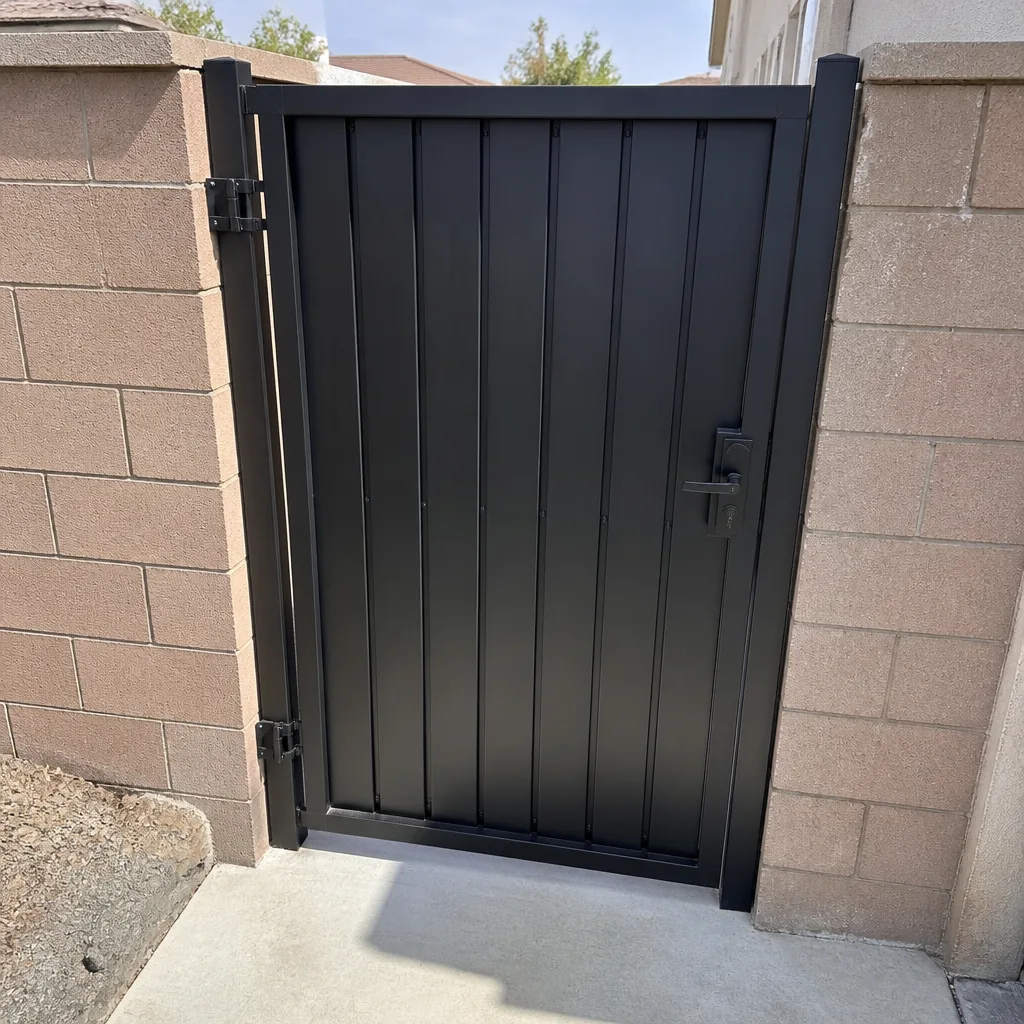
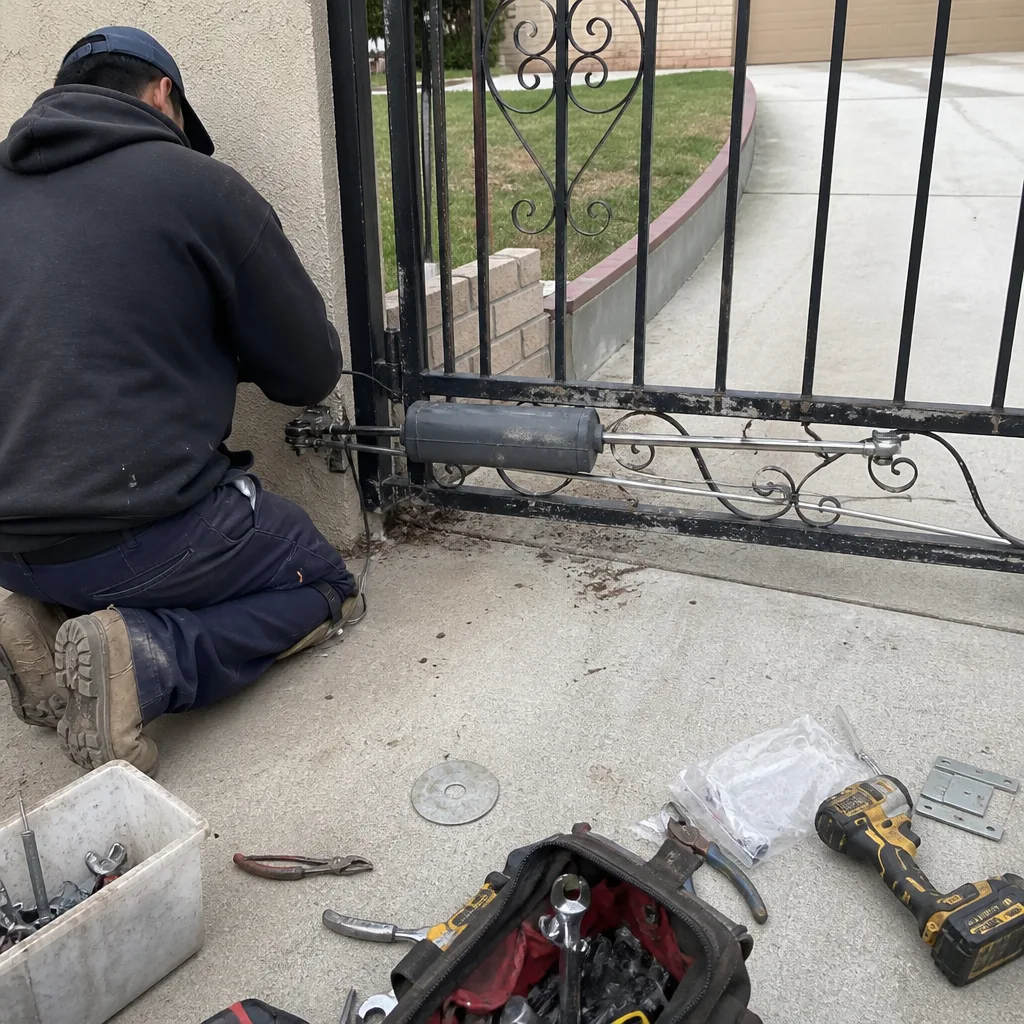
See the difference
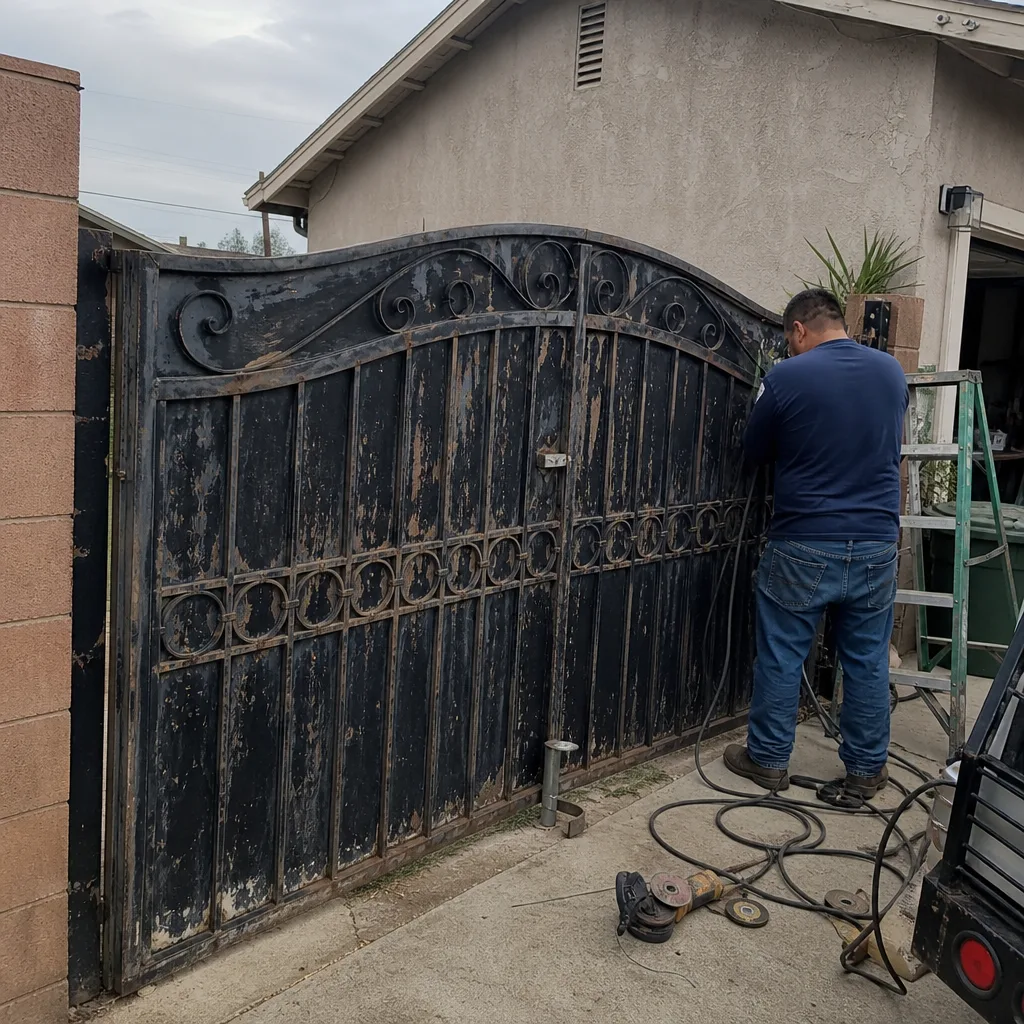 Before
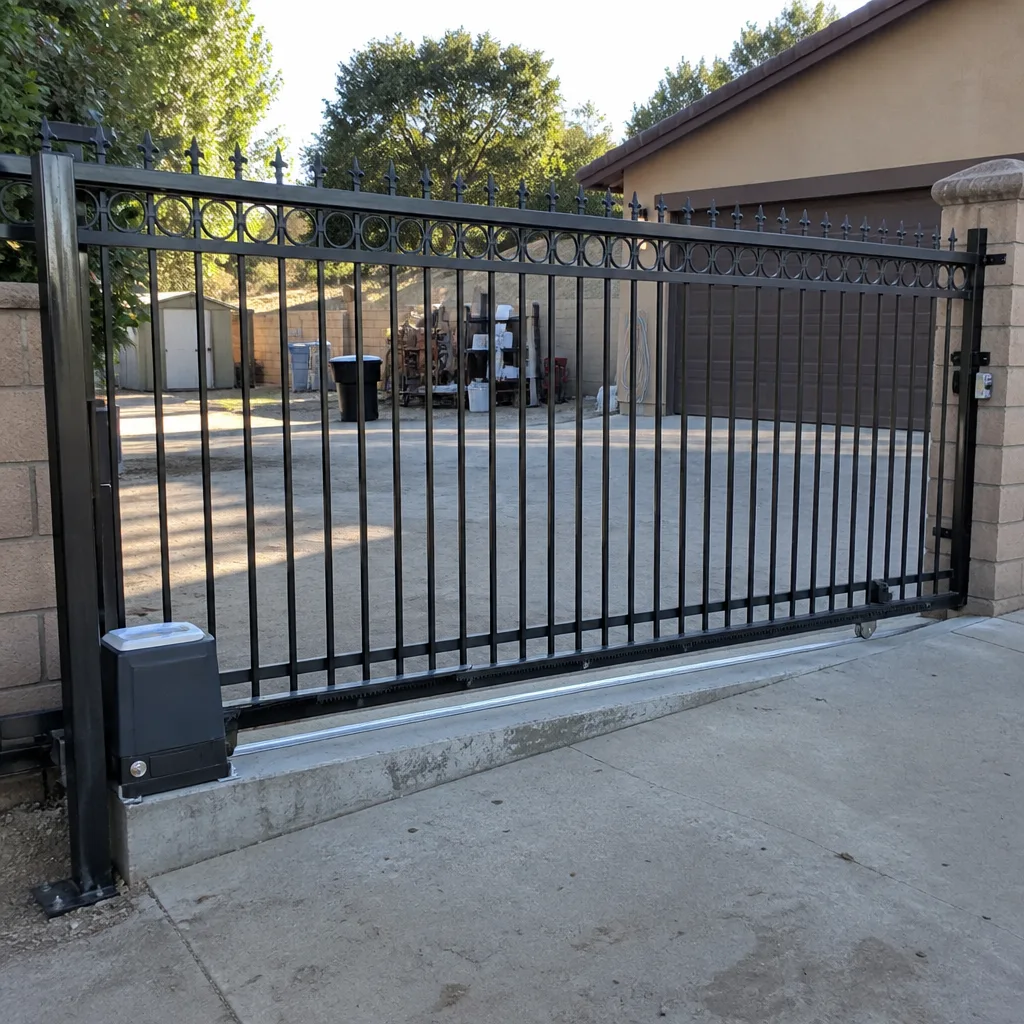 After
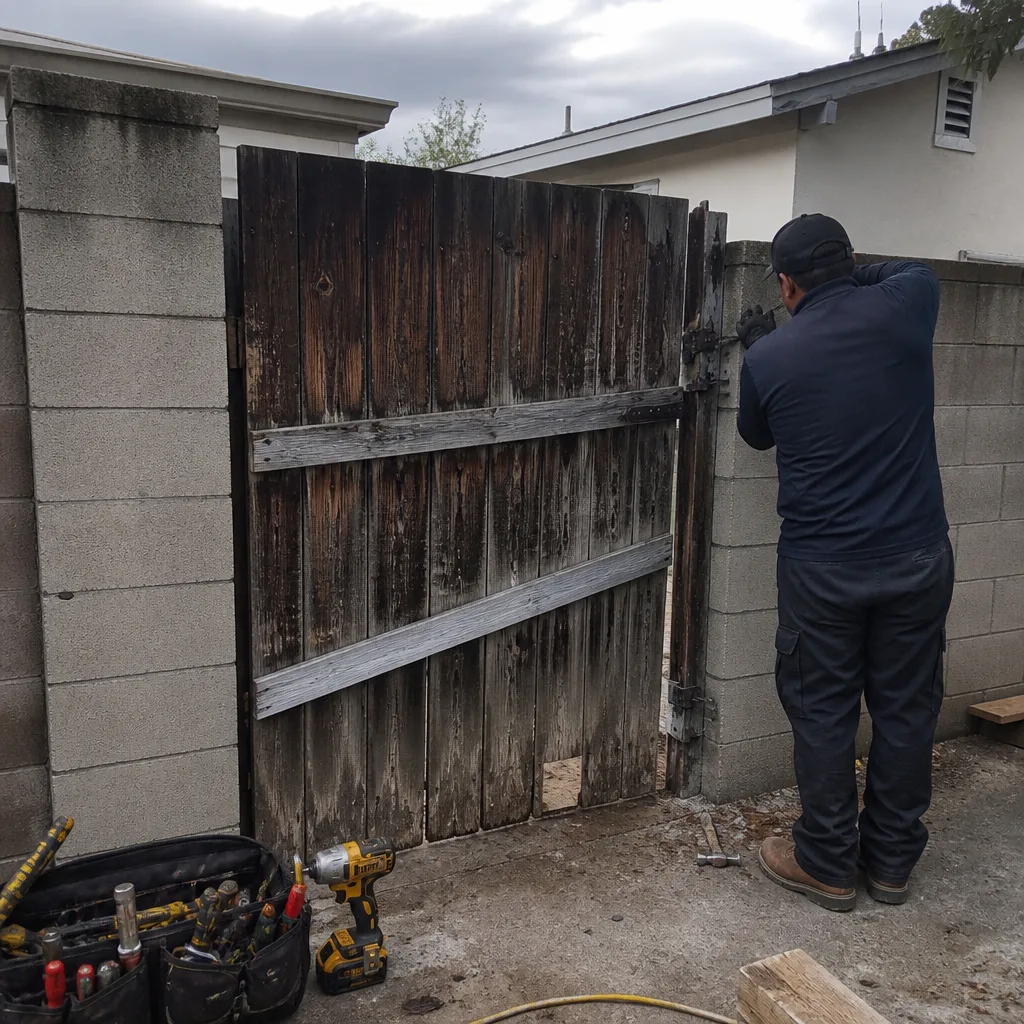 Before
 After
 Before
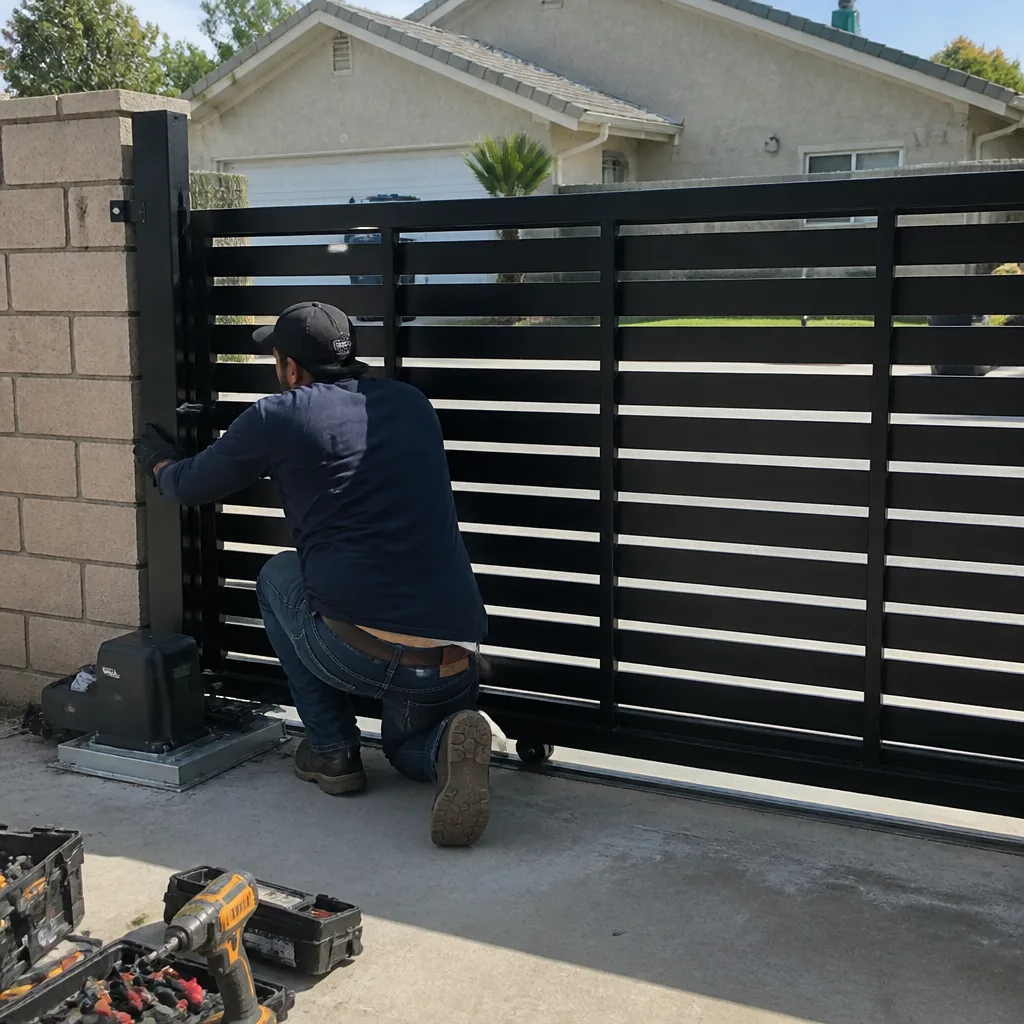 After
When to Call a Professional
Some gate issues are obvious: the gate won’t move at all, the operator makes grinding noises, or the remote stopped working everywhere. Other situations are less clear but equally urgent. If your gate reverses midway and refuses to close, the safety sensors are malfunctioning and your property isn’t secure. If the gate moves slowly or jerks, the mechanical components are wearing and will fail completely if ignored. If you hear a loud snap and the gate suddenly feels loose, a hinge or track component has broken and the gate shouldn’t be operated until it’s inspected. If the operator hums but nothing moves, the motor is working against a seized mechanism and burning itself out. These are all professional-repair situations, not DIY projects. Electric gate repair in Jurupa Valley involves high-current wiring, sensitive control boards, and heavy moving parts that can cause serious injury if handled incorrectly. Gate Repair Jurupa Valley offers free estimates in Jurupa Valley. Call (866) 383-9857 to schedule a diagnosis.
Frequently Asked Questions
Gate repair in Jurupa Valley typically costs $200 to $800 for most mechanical repairs and $400 to $1,500 for electrical or operator-related work, depending on the brand, the part, and the complexity. OEM parts for commercial operators like FAAC or DoorKing cost more than residential Mighty Mule components. The only reliable way to get an accurate number is an on-site diagnosis, and the price is quoted and agreed before any work starts. Call (866) 383-9857 for a free estimate.
In many cases, yes. Emergency situations like a gate stuck open, a gate that won’t close at night, or a commercial gate blocking tenant access are prioritized. Residential non-emergency repairs are typically scheduled within one to two business days. If your gate is stuck and your property is unsecured, tell the dispatcher when you call and the visit gets moved up. Call (866) 383-9857 to check today’s availability.
Garage doors are standardized, counterbalanced systems that operate indoors or under cover. Gates are custom, vehicle-rated structures that operate outdoors in weather, handle heavier loads, and run on different operator systems with safety loops, keypads, and vehicle detection sensors. A garage door technician who occasionally takes gate calls lacks the brand-specific operator training and outdoor system experience that gate work demands. If you have a gate, hire a gate specialist, not a garage door company.
Most gate repairs don’t require a permit. Replacing an operator, a hinge, a wheel, a circuit board, or a sensor is routine maintenance. Full gate installations or significant structural modifications may require approval, especially for commercial properties or gates that affect public right-of-way. Your contractor should know Jurupa Valley’s specific requirements and tell you upfront if the work triggers a permit. If they can’t answer that question, they don’t work in this market often enough.
A properly diagnosed and correctly executed repair should last years for mechanical components and the full lifespan of the part for electrical components. A LiftMaster control board replacement should outlast the rest of the operator. A hinge replacement should be permanent unless the gate is struck or misaligned by another issue. If the same part fails within months, either the diagnosis was wrong, the part was low quality, or an underlying issue was never addressed. That’s what the warranty is for, and it’s why you choose a contractor who stands behind the work.
The major gate operator brands installed in the Jurupa Valley market are LiftMaster, FAAC, BFT, Linear, Viking, Ghost Controls, DoorKing, Elite, and Mighty Mule. A qualified contractor should be familiar with most or all of these, including the residential lines like Ghost Controls and Mighty Mule and the commercial-grade systems like FAAC, BFT, and DoorKing. If a contractor can’t name the brands they’re trained on without hesitation, they’re probably not a gate specialist. Call (866) 383-9857 to speak with a contractor who works on your brand.
Repair is usually the right call when the gate structure is sound and the operator is less than 10 to 15 years old. Replacement makes sense when the gate itself is rusted through, the posts are failing, or the operator is obsolete and parts are no longer available. A specialist will give you an honest assessment rather than pushing you toward the option that pays them more. If replacement is the better call, Gate Installation in Jurupa Valley is handled by the same company, so you don’t need to find a separate installer. Call (866) 383-9857 for an assessment.
The Bottom Line
Hiring a gate repair contractor in Jurupa Valley comes down to one principle: verify specialization, then trust the diagnosis. The license check matters, but the C-61/D28 classification is just the floor. The real test is whether the person standing in your driveway can name your operator brand on sight, describe its failure patterns, and quote you a specific fix with OEM parts and a real warranty. That’s the difference between a repair that lasts five years and a band-aid that fails in five weeks. Keep this guide bookmarked for your next gate issue, check the Gate Repair Jurupa Valley home page for more resources, and if your gate is down right now, don’t wait. Call (866) 383-9857 and get a specialist on the phone.
Written by the team at Gate Repair Jurupa Valley, serving Jurupa Valley since 2015.