
Last updated November 2, 2026
 Wrought iron
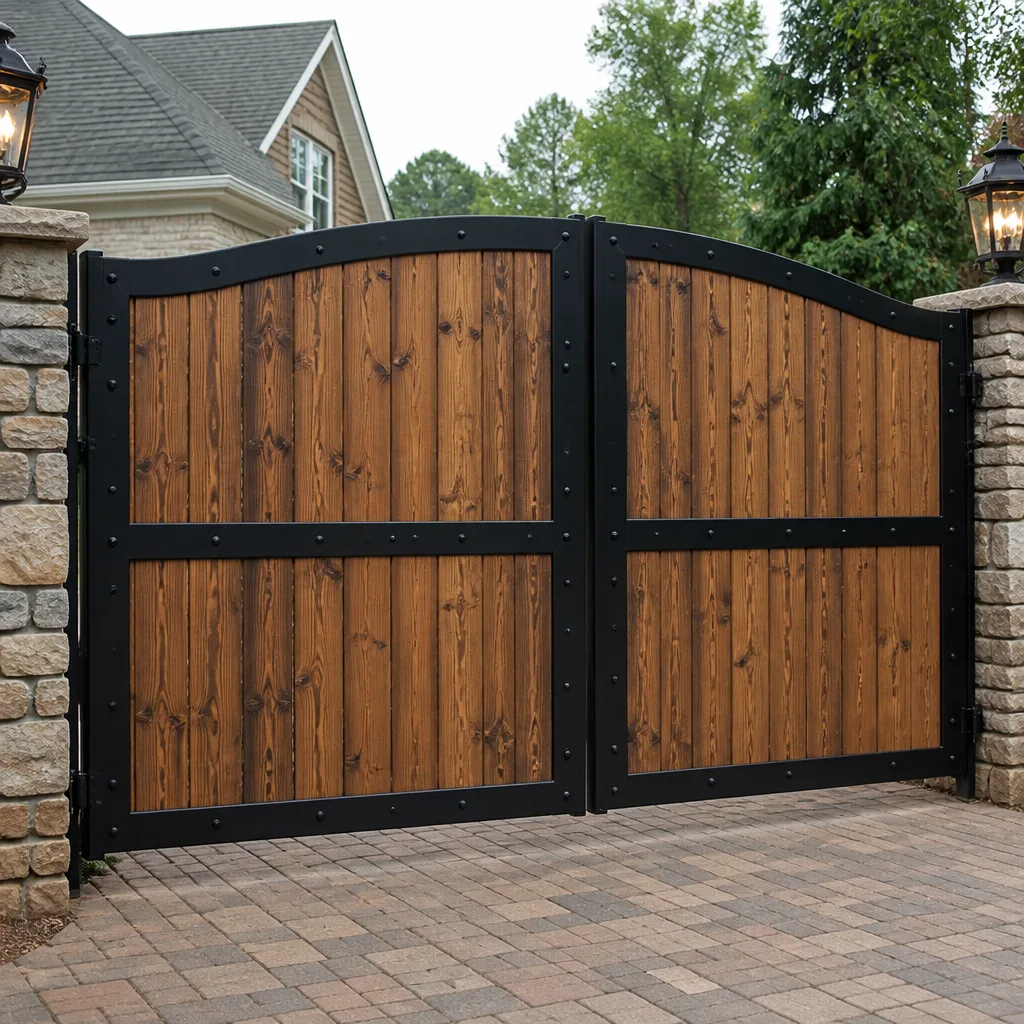 Wood & steel frame
 Farm & ranch
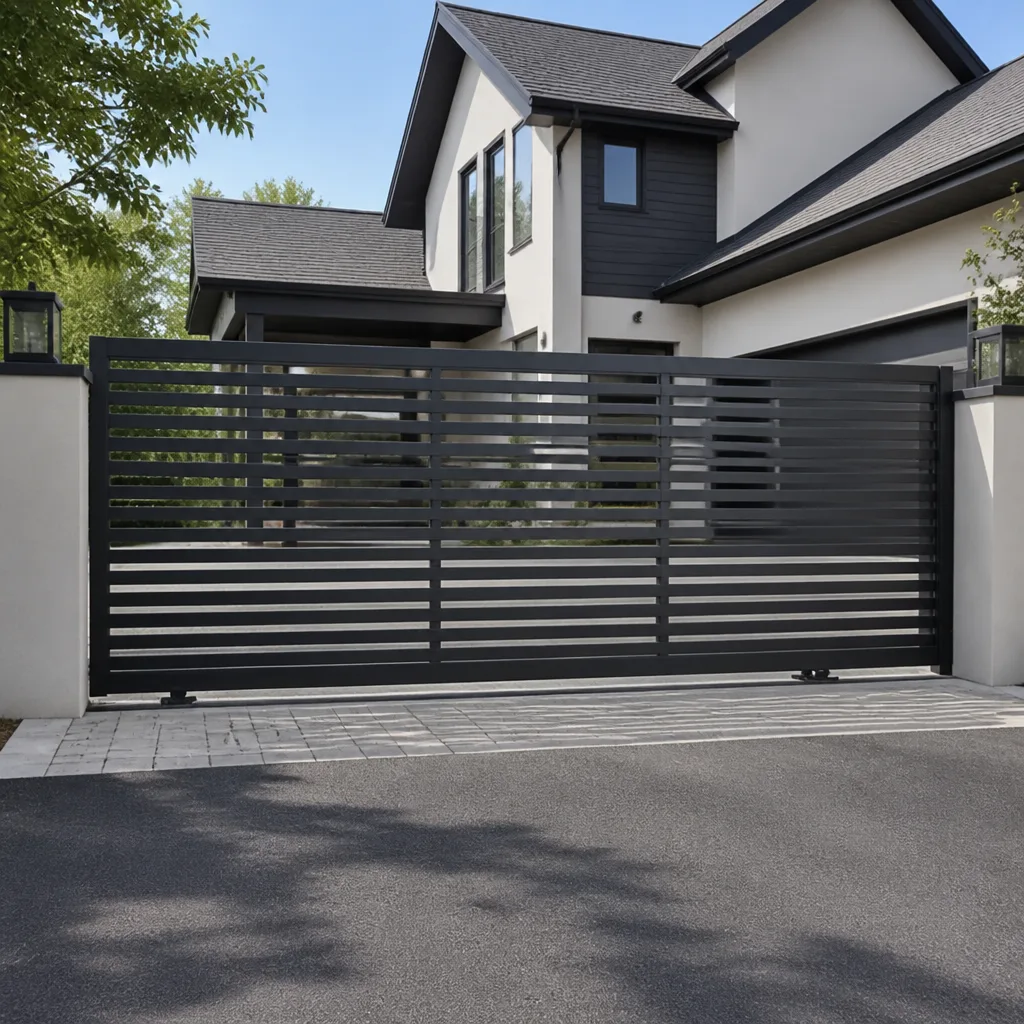 Sliding driveway gates
 LiftMaster operators
Free on-site gate assessment - hinges, posts, and your LiftMaster or Nice gate operator checked before anything is quoted
The assessment is free and the quote is the invoice.
Get your free estimateSeasonal Gate Repair Care for Jurupa Valley: Year-Round Homeowner’s Guide
Most gate failures in Jurupa Valley don’t happen on random days. They cluster in two windows: the first 100-degree stretch of June, and the first Santa Ana event of October. We see it every year. A gate that limped through spring suddenly refuses to open the morning after a windstorm pushed a slightly misaligned leaf past its tolerance point. The Complete Gate Repair Guide for Jurupa Valley Homeowners maps the two preparation windows that prevent those failures, because waiting until a gate stops working usually means scrambling instead of planning for a scheduled service call.
Styles & brands we work with
- Wrought iron
- Wood & steel frame
- Farm & ranch
- Sliding driveway gates
- LiftMaster operators
Quick Answer
Seasonal gate care in Jurupa Valley comes down to two maintenance windows and two stress periods. Service your gate in April-May (before summer heat) and September (before Santa Ana winds), focusing on lubrication, battery health, hinge and post alignment, and obstruction sensor calibration. Skipping these windows is what turns a $200 adjustment into a $1,200 motor replacement by October.
Table of Contents
- Why Jurupa Valley’s Climate Is Harder on Gates Than Most Owners Realize
- Pre-Summer Prep: Heat, Lubricants, and Operator Ventilation
- Spring Post-Plumb Checks: Soil Heave and Gate Alignment in Jurupa Valley
- Santa Ana Wind Prep: Stops, Sensors, and Latch Strength
- Post-Wind Inspection: Slide Gate Tracks, Debris, and Drive Gear Stress
- Winter Considerations: Moisture, Control Boards, and Battery Capacity
- A Seasonal Maintenance Schedule That Actually Works
- Common Mistakes to Avoid
- When to Call a Professional
- Frequently Asked Questions
- The Bottom Line
Why Jurupa Valley’s Climate Is Harder on Gates Than Most Owners Realize
Jurupa Valley sits in a thermal belt where summer temperatures routinely exceed 105°F, and the fall Santa Ana winds arrive with gusts that hit 50 to 70 mph through the passes. Neither of these is gentle on gate hardware. Heat expands steel rails and gate leaves, which changes clearances by fractions of an inch. That sounds minor until you realize a slide gate’s drive gear only engages a few teeth at a time. A 1/8-inch expansion can cause the gear to skip, which strips teeth, which turns a smooth-running track into a jerky mess within a week.
Then comes wind season. A 50-mph gust pushing against a 12-foot driveway gate generates hundreds of pounds of lateral force. If the gate’s stop hardware is worn, that force transfers to the operator’s gearbox instead of the physical end stop. The gearbox isn’t rated for that. We’ve replaced more Viking and DoorKing gearboxes in October and November than every other month combined, and almost all of them share the same backstory: the gate had been drifting out of alignment for months, and nobody noticed until the wind found the weak point.
The Inland Empire’s temperature swings also create a condensation cycle that few gate owners think about. Days near 100°F followed by nights in the 50s cause moisture to form inside operator housings and control board enclosures. Over a full season, that moisture corrodes terminal connections and eventually shorts control boards. The failure usually shows up months after the moisture first appeared, which is why an October board failure can trace back to a July condensation cycle.
Pre-Summer Prep: Heat, Lubricants, and Operator Ventilation
Jurupa Valley’s first real heat wave usually arrives by early June. The prep window runs from mid-April through late May, and it’s the cheapest insurance a gate owner can buy. Here’s what actually matters, in order of impact.
Heat-rated lubricants are the single highest-value item on this list. Standard WD-40 or general-purpose grease breaks down above 95°F, leaving gate hinges and slide tracks running dry by mid-summer. That dry metal-on-metal contact is what accelerates wear to the point of failure. Use a synthetic lithium-complex grease rated for 300°F or higher on hinges, and a dry moly or silicone spray on slide gate tracks. Reapply every six months in Jurupa Valley’s climate, not annually like cooler coastal areas can get away with.
Battery health checks matter more before summer than any other season. Gate operators use batteries for two purposes: backup operation during power outages, and the surge current needed to start the motor under load. Heat degrades battery capacity fast, and a battery that was marginal in March will be useless by August. Most residential operators like Ghost Controls, Mighty Mule, and Elite units have a simple battery test function. If your unit doesn’t, check the battery age. Anything over three years old in Jurupa Valley’s heat deserves a replacement before summer, especially for VDS battery systems that rely exclusively on DC power.
Operator ventilation clearance is the most overlooked summer issue. Every motor generates heat while running. In a 100°F ambient environment, an operator box pressed against a wall or overgrown with shrubs can’t shed that heat effectively. The internal temperature climbs, thermal protection trips, and the gate stops working partway through its cycle. Then it resets when it cools down, which means the owner thinks the gate is “fixed” until it happens again. Check that there’s at least six inches of clear space around the operator housing on all sides, and trim back any vegetation that grew in during spring.
Spring Post-Plumb Checks: Soil Heave and Gate Alignment in Jurupa Valley
Jurupa Valley sits on a mix of sandy loam and clay-heavy soils, and the winter and early spring rain cycles cause a measurable amount of soil movement. When moist clay soil expands after rain, it pushes against gate post footings. When that same soil dries and contracts in late spring, posts can shift. The result is gate posts that move out of plumb by a quarter to a half inch over a single season.
That movement matters because swing gate hinges and slide gate tracks both depend on posts staying exactly where the installer set them. A post that drifts 1/4 inch out of vertical changes the gate’s clearance at the latch end, sometimes enough that the gate binds or the latch won’t engage. On slide gates, a shifted post changes the track alignment, and the gate starts racking against the track rollers instead of riding smoothly on them.
Here’s how to check plumb on your gate posts:
- Wait until the soil has dried out. Checking in late April or early May, after the last spring rain has evaporated, gives the most accurate reading. A post that’s temporarily shifted by wet soil will often return after drying, and you want to know if the shift is permanent.
- Place a 4-foot level against the post on two adjacent faces. A level that reads true on one face but off on the other means the post is leaning, not just crooked.
- Measure the gate-to-post gap at the top and bottom hinges. On a swing gate, the gap should be consistent. A wider top gap means the post is leaning away from the gate; a wider bottom gap means it’s leaning toward it.
- Open and close the gate manually (with the operator disengaged) and listen. Any scraping, clicking, or binding that wasn’t there last fall points to alignment drift.
- Check the latch engagement. If the latch only catches on the last 1/8 inch of its travel, the gate has shifted since installation and needs adjustment before the next wind event.
If you find movement of more than a 1/4 inch, don’t just re-shim the hinges. The adjustment won’t hold because the post itself is unstable. The fix is resetting the post in its footing, which is a job for a Gate Repair specialist who can pull the gate, reset the plumb, and re-hang everything to operating spec. Minor drift of under a 1/4 inch can usually be corrected with hinge adjustment, but mark the post and re-check it in the fall to see if movement is ongoing.
Santa Ana Wind Prep: Stops, Sensors, and Latch Strength
The Santa Ana season in Jurupa Valley typically runs from late September through November, with the strongest events often arriving in October. These offshore winds come in as sustained 30-40 mph flows with gusts above 60 mph, and they arrive after months of zero precipitation. Gates that have been sitting slightly out of adjustment since spring get pushed past their tolerance point in a single night.
The prep window is September. Here’s the priority list.
Gate stop hardware carries the brunt of wind load. Every properly installed gate has physical stops that prevent it from traveling beyond its designed range in both directions. Those stops absorb the force when wind pushes the gate hard against its limit. But stops wear. The rubber or nylon faces compress and crack after years of UV exposure and heat cycling. When a stop face is compromised, the force of a wind gust transfers to the operator’s internal limits, which on most units is the gearbox or the crank arm. That’s the failure mode that turns a $40 stop replacement into a $600 to $1,100 gearbox job.
Obstruction sensitivity settings are the second critical check. Modern gate operators use a force-sensing circuit that reverses or stops the gate when it meets unexpected resistance. That setting is a safety requirement, but it’s also a wind-protection feature. If the sensitivity is set too low (meaning the unit requires too much resistance before it reacts), a wind gust can force the gate against resistance that the operator interprets as normal operation. The gate takes the full wind load while the operator keeps pushing, and something mechanical gives. If sensitivity is set too high, the gate may stop or reverse from normal resistance, including the wind load itself. The correct setting is manufacturer-specific, and a gate specialist who works on your brand (we’re factory-familiar with nine of the most common operator lines, including LiftMaster, FAAC, Linear, Viking, Ghost Controls, DoorKing, Elite, BFT, and Mighty Mule) can calibrate it to the manufacturer’s spec for your specific model.
Latch strength checks are specific to swing gates. A swing gate that isn’t latched solidly becomes a sail in a Santa Ana. The wind catches the leaf, swings it, and either slams it against its stops repeatedly or pushes it into a position where the operator can’t properly control it. Both scenarios damage operators. The fix is verifying that the mechanical latch or maglock engages fully and securely, and that the actuator or solenoid that drives the latch releases cleanly every time.
Post-Wind Inspection: Slide Gate Tracks, Debris, and Drive Gear Stress
After any wind event over 40 mph in Jurupa Valley, check your slide gate the next morning. Debris that blows through the area collects in the track channels, and every piece of debris changes how the gate rides. A pebble wedged in the track forces the gate slightly upward with each pass, which changes the drive gear engagement, which accelerates tooth wear. A palm frond or tumbleweed wedged against the track guide can bend the guide or pop the gate off its rollers entirely.
Here’s the post-wind protocol:
- Clear the track first. Inspect the full length of the track channel and the ground track (the rail that guides the bottom of the gate). Remove all debris. Use a blower or shop vac on the channel; don’t sweep debris into the channel from the sides.
- Check for rail warp. Aluminum and steel track rails can bow slightly when a large gate takes a sustained wind load. Sight down the length of the rail from one end. Any dip, bow, or twist of more than 1/8 inch over a 10-foot run needs attention before it causes a derailment.
- Inspect the drive gear and chain for stress marks. If the gate was pushed against its stops during the wind, the drive gear may show bright metal on the teeth where it slipped or ground against the rack. A chain drive may show elongation at one or two links. These are early-warning signs of an imminent failure.
- Run the gate manually through a full cycle. Listen for rhythmic clicking (gear or chain engagement), scraping (track debris or rail warp), or grinding (sand in the rollers). None of these sounds belong on a properly functioning slide gate.
- Check the gate’s travel limits. Even if everything else passes, a wind event can shift the limit switch position on some models, which means the gate now stops 2-3 inches past where it should, placing extra load on the stops every cycle.
One note on post-wind safety: slide gate track and gear systems are under high tension. If you find a warped rail or a stripped drive gear, don’t attempt to re-tension or replace components yourself. A gate that jumps its track under power can drop, and a chain under tension that lets go moves with enough force to cause serious injury. A trained professional has the tools and the process to work safely on tensioned components.
Winter Considerations: Moisture, Control Boards, and Battery Capacity
Winter in Jurupa Valley isn’t severe by most standards, but it creates two real problems for gate systems. First, the Inland Empire’s winter morning marine layer and occasional rain create moisture conditions that find their way into control board enclosures and operator housings. Second, cold mornings (by Southern California standards, anything below 40°F) reduce battery capacity for backup and solar-charged systems.
Moisture intrusion in control boards is the leading cause of intermittent winter failures we diagnose. It presents as a gate that works fine at noon on a warm day but fails or behaves erratically at 7 a.m. after a cold, damp night. That’s the signature of condensation bridging a connection on a control board or a corroded terminal. The fix is drying out the enclosure, cleaning or replacing the affected terminals, and sealing the enclosure with a fresh gasket or breathing plug. Owners can help by verifying that operator box seals are intact and that no water is dripping onto the unit from a nearby gutter, tree, or sprinkler head. But if moisture has already reached the board, don’t open it and try to dry it with a heat gun or hair dryer; that can push moisture deeper into multi-layer boards and damage components.
Battery capacity drops in cold weather. A lead-acid or AGM battery rated at 7 amp-hours at 77°F delivers roughly 70% of that capacity at 40°F. For gate operators that rely on battery backup, solar, or DC operation, that’s the difference between a gate that completes 20 cycles on backup power and one that completes 12. If your winter usage pattern means more backup reliance (which it does in Jurupa Valley because utility outages are more common during winter storm cycles), have the batteries load-tested in late fall before the cold settles in. Most Ghost Controls and Mighty Mule units run on common sealed lead-acid batteries that are inexpensive to replace, and the test takes five minutes with a load tester.
A Seasonal Maintenance Schedule That Actually Works
Here’s the annual rhythm that keeps a Jurupa Valley gate running through both stress periods without emergency calls:
April to mid-May (pre-summer prep):
- Re-lubricate hinges and slide tracks with heat-rated products.
- Load-test operator batteries; replace anything over three years old.
- Clear vegetation and debris from around the operator housing for ventilation.
- Verify post plumb after winter soil movement.
- Test and adjust latch engagement on swing gates.
September (pre-Santa Ana prep):
- Inspect gate stop hardware; replace any cracked or compressed stop faces.
- Verify obstruction sensitivity calibration to manufacturer spec.
- Check all hinge bolts and gate hardware for tightness.
- Verify that the operator housing is fully sealed against wind-driven dust.
- Run the gate through 10 full open/close cycles and listen for changes.
After any wind event over 40 mph (inspection):
- Clear slide gate tracks of all debris.
- Sight down track rails for warp or bow.
- Inspect drive gears and chain for stress marks.
- Run a manual cycle and listen for new sounds.
- Verify travel limits haven’t shifted.
Late November (pre-winter check):
- Inspect operator box seals and enclosure gaskets.
- Confirm water isn’t dripping onto the unit from gutters or sprinklers.
- Load-test batteries again for cold-weather capacity.
- If the gate lives in a shaded part of the property, check for moss or algae growth on tracks and hinges.
This schedule takes about 90 minutes total per year for a homeowner who’s comfortable with basic mechanical checks. For anyone who isn’t, or who has a commercial system with multiple operators, gate repair service in Jurupa Valley is available for scheduled maintenance calls. The key is scheduling them: a September maintenance visit costs a fraction of an October emergency repair.
Common Mistakes to Avoid
- Using the wrong lubricant. General-purpose penetrating oil runs off and attracts dust in Jurupa Valley’s dry summer conditions. The right products are heat-rated grease for hinges and dry spray for slide tracks, not whatever’s on the garage shelf.
- Waiting until the gate fails to check alignment. By the time a gate binds, the post has usually been moving for months, and the repair is no longer a simple adjustment. Checking plumb every spring catches the drift before it becomes a failure.
- Ignoring the stops. Gate stops are the cheapest part of the system and the most frequently skipped inspection point. A $40 stop replacement in September prevents a $600+ gearbox repair in October.
- Assuming the operator is fine because the gate still moves. Operators can grind away at failing drive gears, slipping chains, and misaligned tracks for months before the damage shows up as a full failure. The movement itself isn’t proof of health.
- Not clearing slide gate tracks after every wind event. Debris doesn’t self-clear, and every cycle over a pebble or branch accelerates wear. It’s a five-minute inspection that prevents hundreds of dollars in track and gear repairs.
- Treating battery replacement as optional. In Jurupa Valley’s heat, backup batteries degrade faster than manufacturer estimates. A three-year-old battery might test fine in April and be useless by August. When in doubt, replace it before the stress period, not after it fails.
- DIY-ing tensioned gate components. Gate springs, tensioned chains, and slide gate drive systems store energy. When that energy releases unexpectedly, it causes serious injury. Anything involving tensioned components is a job for a professional with appropriate training and tools.
When to Call a Professional
Some seasonal maintenance tasks are safe and sensible for a homeowner to handle: clearing tracks, checking seals, listening for new sounds, testing the gate manually. Others cross into territory where the risk of injury or further damage outweighs any savings from doing it yourself. Call a professional when you find a post out of plumb by more than a quarter inch, any warping in a slide gate track rail, stripped or bright-metal drive gear teeth, a control board showing signs of moisture or corrosion, or any issue with tensioned components like springs, chains, or counterbalance systems.
Gate Repair Jurupa Valley offers free estimates in Jurupa Valley. We work on your brand, whether that’s a residential Ghost Controls or Mighty Mule unit or a commercial-grade Viking, DoorKing, or Elite system. Diagnose first, quote before we start. Call (866) 383-9857 to schedule a seasonal maintenance check or to get a repair assessment from a gate specialist, not a generalist.
Frequently Asked Questions
Twice a year, aligned to the two stress periods. The April-May service prepares the gate for summer heat, and the September service prepares it for Santa Ana wind season. Between those two scheduled visits, add a quick post-wind inspection after any storm with gusts over 40 mph. For more on what a full service includes, see our electric gate repair service page for Jurupa Valley.
October brings the first Santa Ana winds of the season, and those winds expose every alignment, stop, and sensor shortcoming that developed over the summer. Gates that were marginal in September fail under the load of a 50-mph gust, which is why the September prep window matters more than any other maintenance period. Call (866) 383-9857 if your gate shows signs of wind stress, and we’ll assess it before the next event.
Use a synthetic lithium-complex grease rated for 300°F or higher on hinges, and a dry moly or silicone-based spray on slide gate tracks. Standard penetrating oils run off in the heat and attract the fine desert dust that’s common in Jurupa Valley, which creates a grinding paste instead of a lubricating film.
On most residential units, yes, but we recommend having the setting calibrated by someone who knows your specific operator model. An under-sensitive system fails to reverse when it should, which is a safety issue. An over-sensitive system reverses from normal wind resistance, which leaves your gate partially open and cycling. We calibrate sensitivity to manufacturer spec for all nine brands we carry expertise on, including Viking, DoorKing, Elite, and Ghost Controls.
Yes. Slide gates need track and gear inspection that swing gates don’t, and swing gates need post plumb and latch checks that slide gates don’t. The seasonal timing is the same, but the task list differs. A slide gate that jumps its track is also a more dangerous failure mode than a swing gate that binds, so post-wind track inspection matters more on slide systems.
A scheduled maintenance visit typically runs less than one hour of labor and includes lubrication, stop inspection, sensor calibration, and a full-cycle test. Compared to an emergency repair visit after a Santa Ana failure, scheduled maintenance costs roughly one-third to one-half as much. Call (866) 383-9857 for an exact quote for your gate type and operator brand. Estimates are free, and the price is quoted and agreed before any work starts. If you’re considering a new gate installation in Jurupa Valley, we can also factor maintenance into the design from day one.
The Bottom Line
Jurupa Valley gate owners who follow a twice-yearly maintenance schedule almost never deal with emergency gate failures, as our Choosing the Right Gate Repair Brand: A Buyer’s Guide for Jurupa Valley also emphasizes. The pattern is clear: service in April-May for heat preparation, service in September for wind preparation, and inspect after every major wind event. Skip the schedule, and you’re rolling the dice on a gearbox failure during the worst possible week. The gates that last 15 years in this climate are the ones whose owners treated maintenance as a fixed cost, not an optional one.
Written by the team at Gate Repair Jurupa Valley, serving Jurupa Valley since 2015. See our more guides & resources for additional maintenance tips. We specialize in gate repair, electric gate repair, and gate installation across residential and commercial properties. From the motor to the hinge, we work on your brand.
Back to the Gate Repair Jurupa Valley home page for more on our specialist approach and full service area.
See the difference
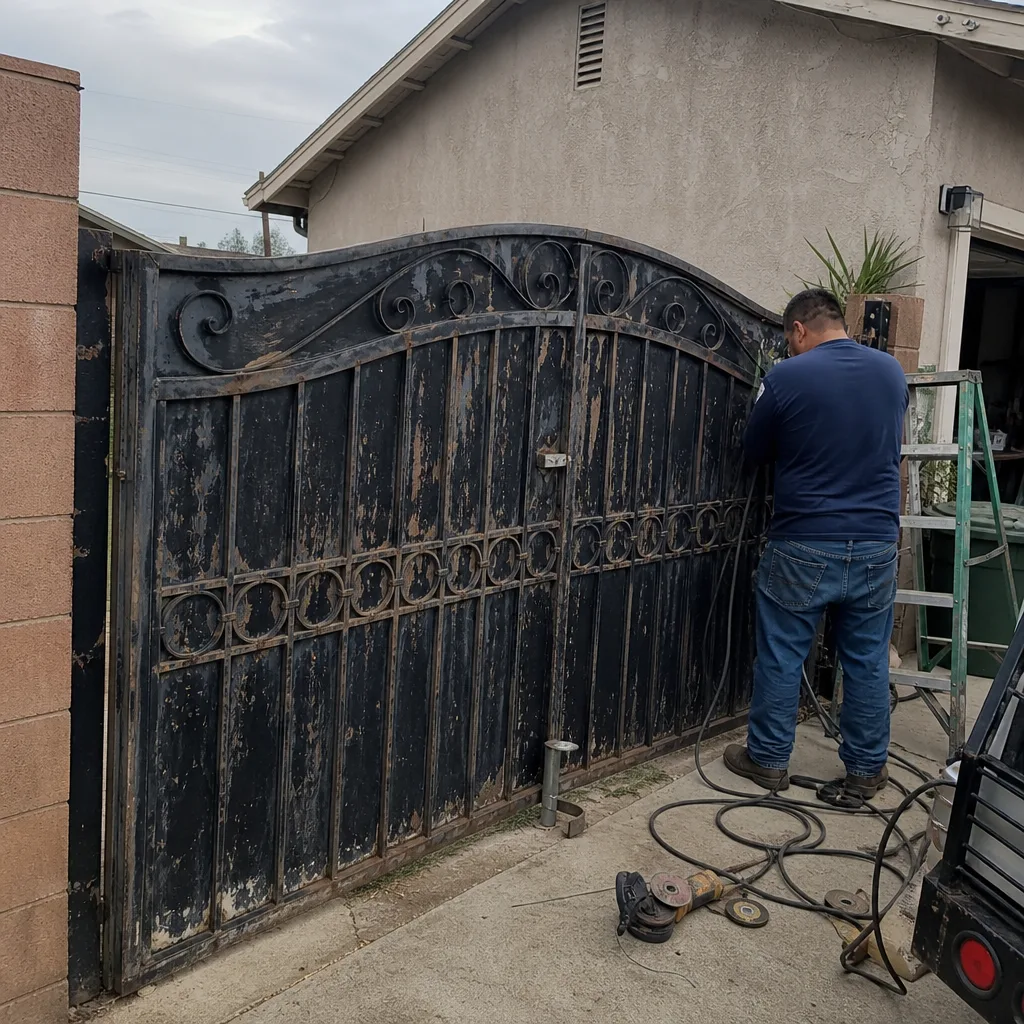 Before
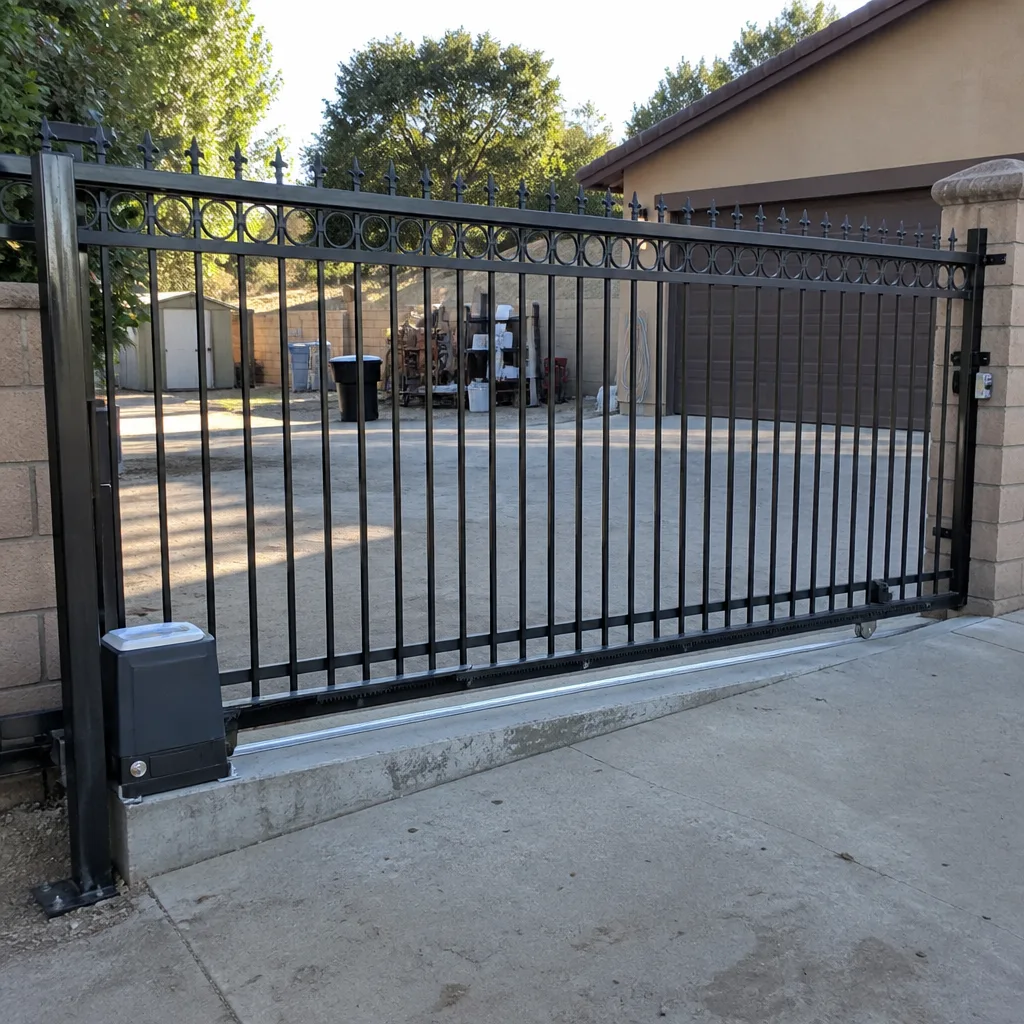 After
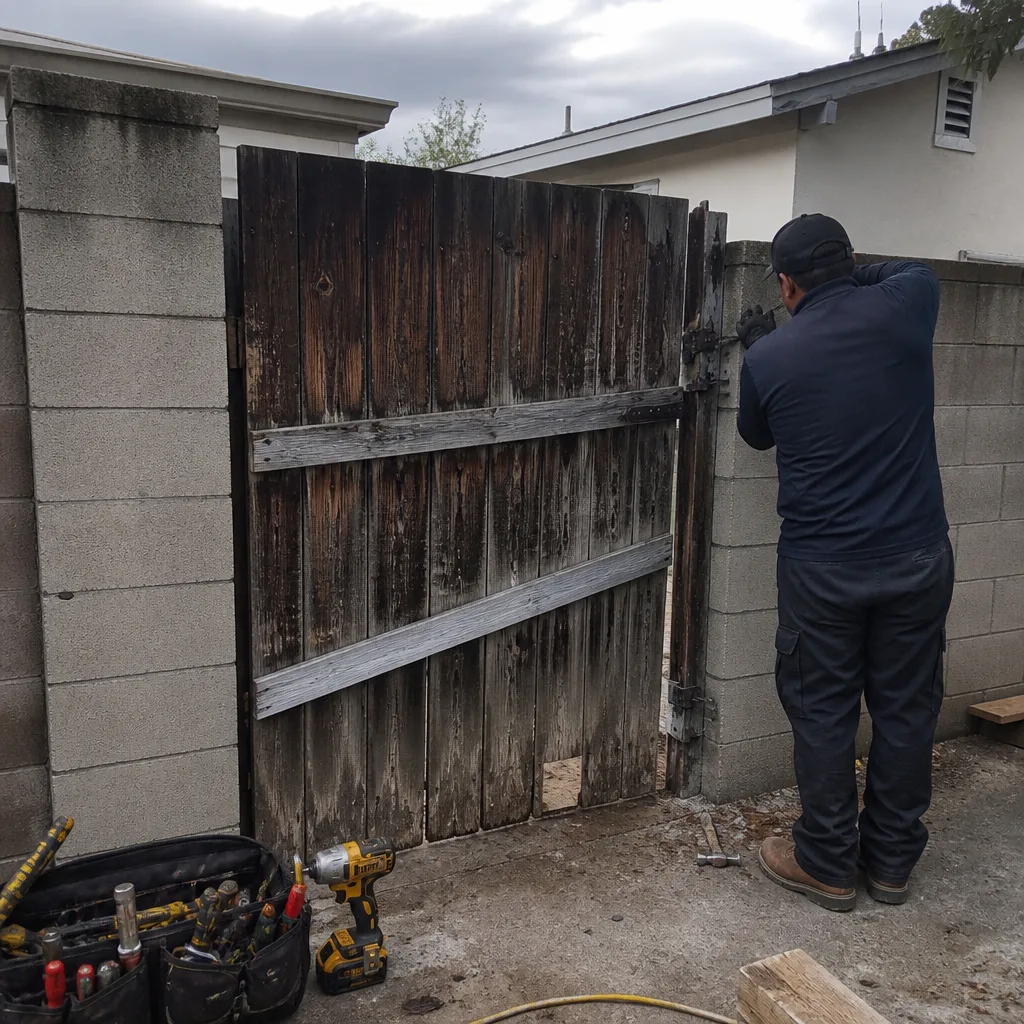 Before
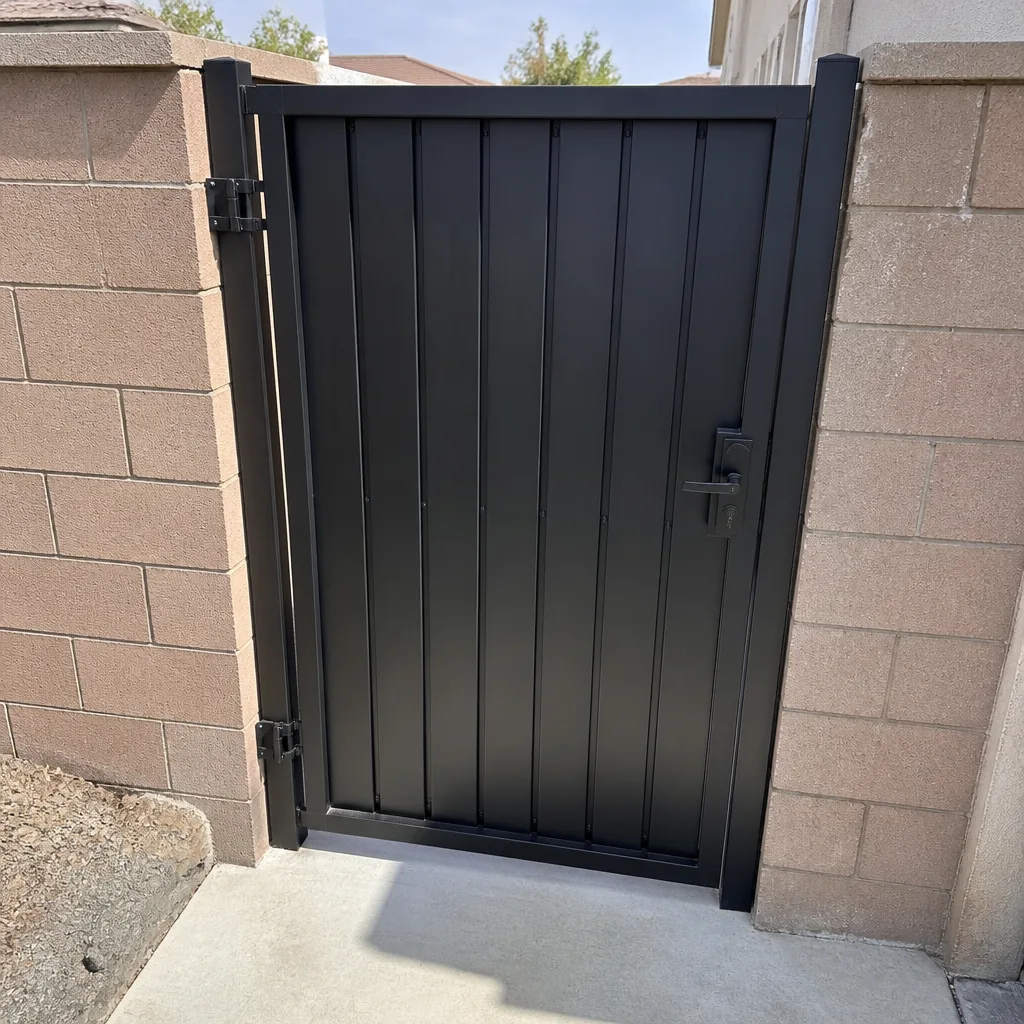 After
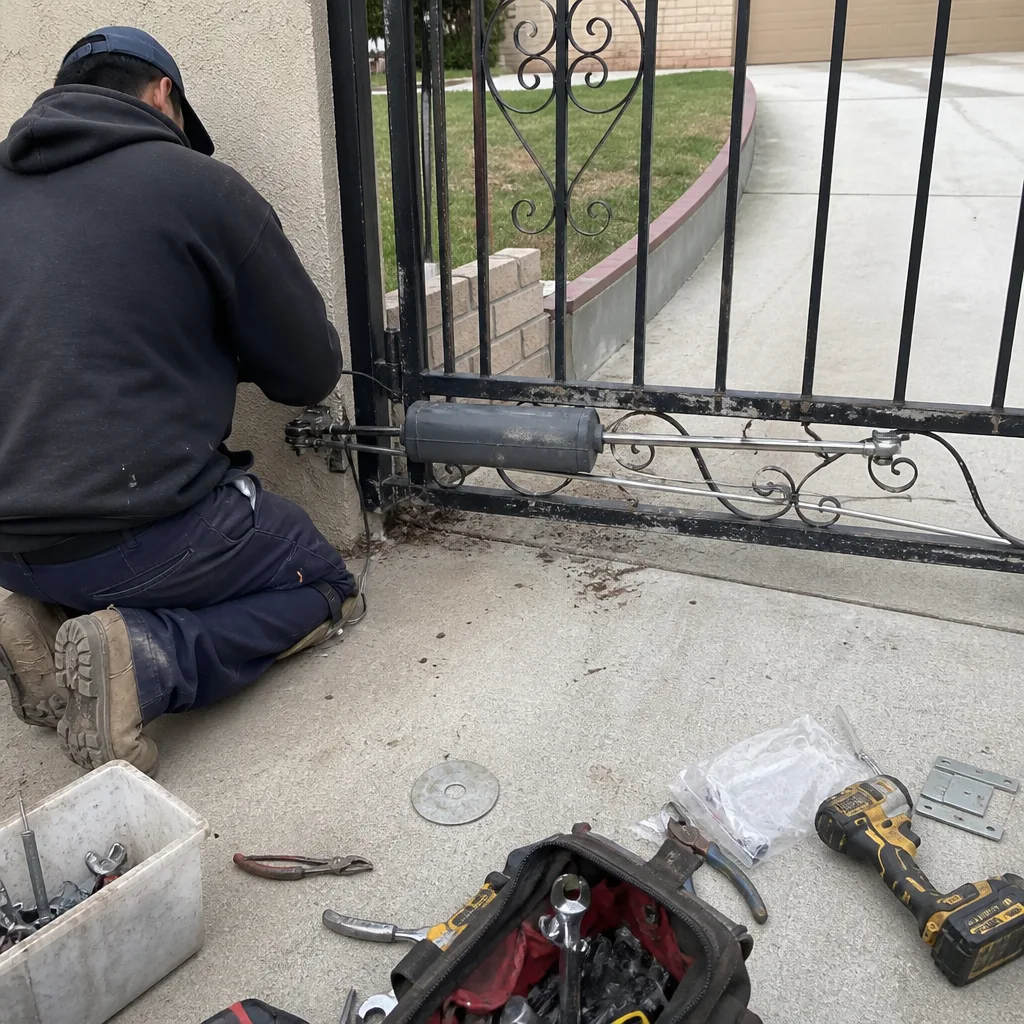 Before
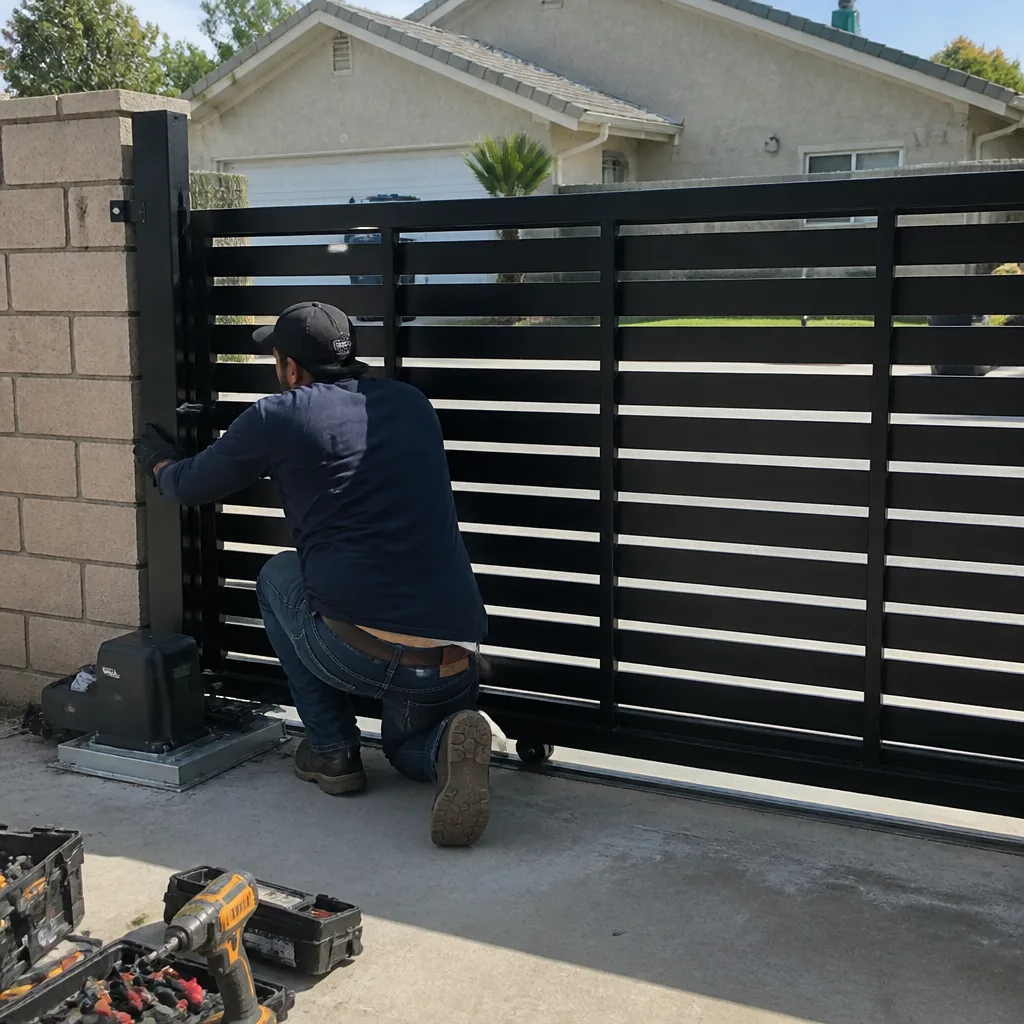 After