
Last updated November 3, 2026
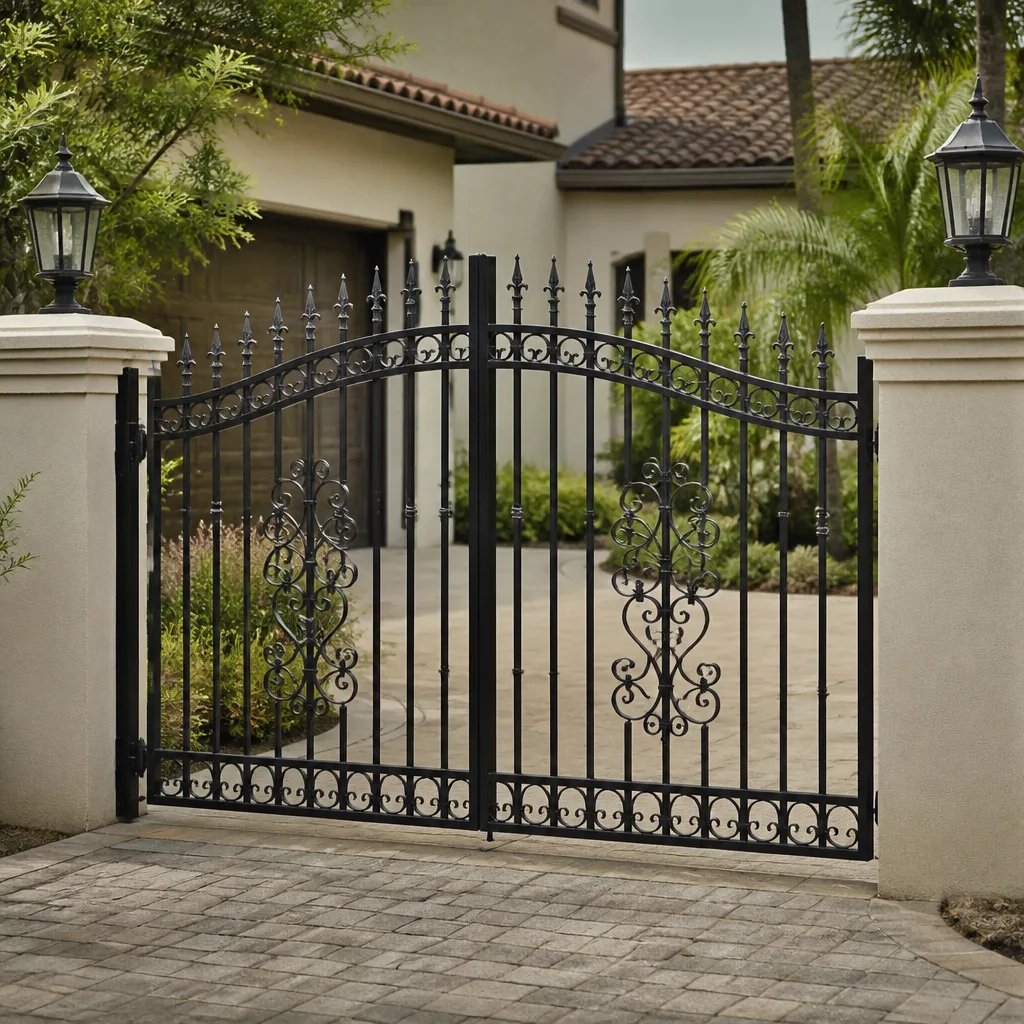 Wrought iron
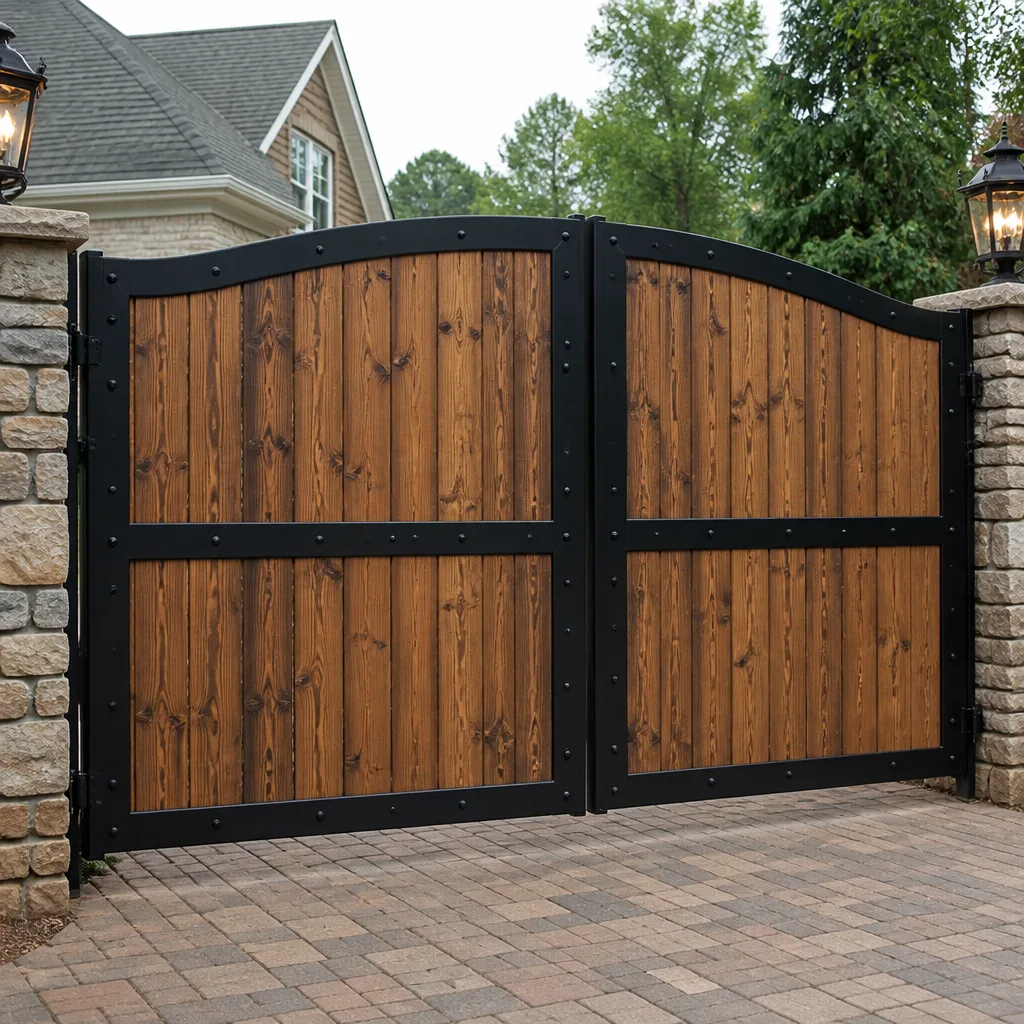 Wood & steel frame
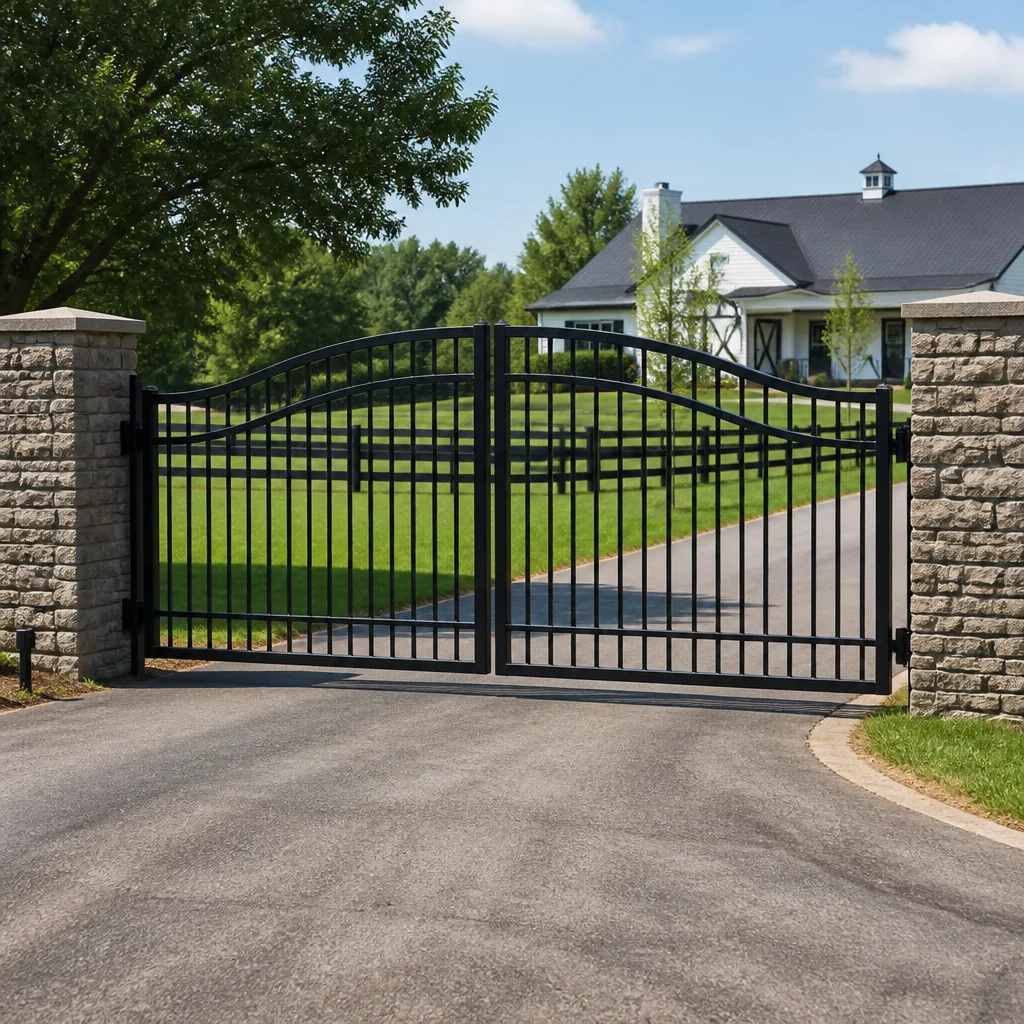 Farm & ranch
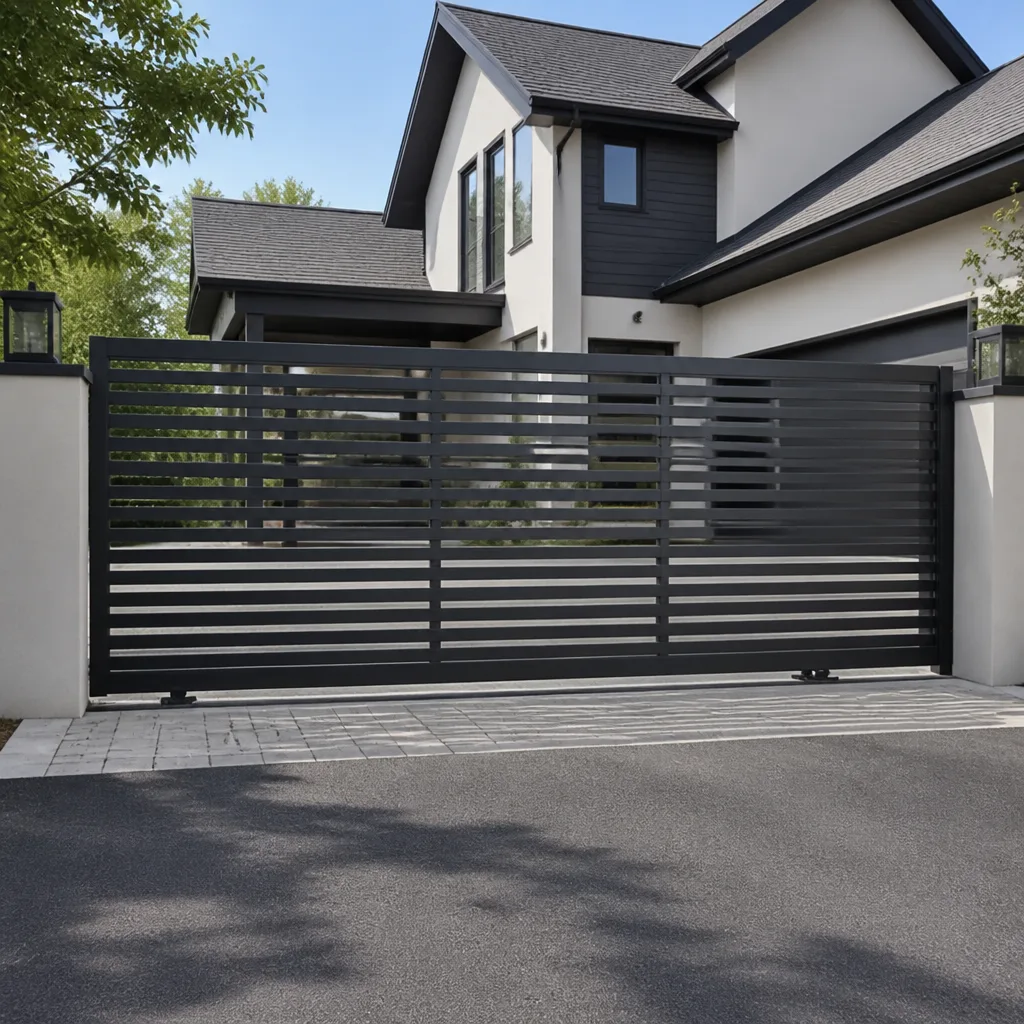 Sliding driveway gates
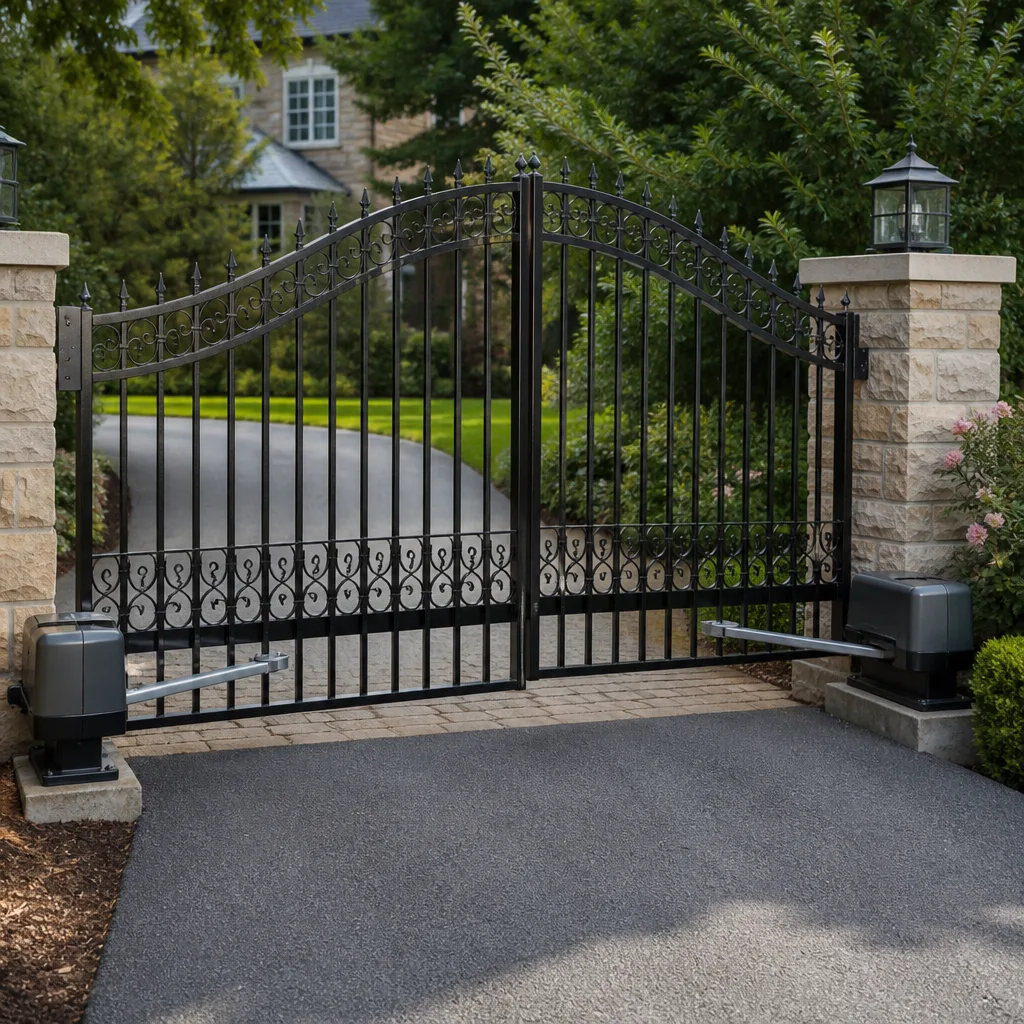 LiftMaster operators
Free on-site gate assessment - hinges, posts, and your LiftMaster or Nice gate operator checked before anything is quoted
The assessment is free and the quote is the invoice.
Get your free estimateChoosing the Right Gate Repair Brand: A Buyer’s Guide for Jurupa Valley
A gate operator brand that performs flawlessly in San Diego’s coastal climate can have a 30% higher service call rate in the Inland Empire because the manufacturer didn’t engineer for sustained 105-degree ambient operating temperatures. That’s not a marketing line. It’s what we see in Jurupa Valley every summer when circuit boards overheat, capacitors swell, and motors that ran fine for years suddenly refuse to move. Our Complete Guide to Gate Repair in Jurupa Valley explains how to choose a gate operator brand that won’t strand you on a July afternoon, which brands have the deepest parts support in Riverside County, and why local technician familiarity matters as much as the logo on the control box. You’ll learn the total cost of ownership math that most buyers skip and walk away knowing exactly which brands fit Jurupa Valley’s climate, not just a spec sheet.
Styles & brands we work with
- Wrought iron
- Wood & steel frame
- Farm & ranch
- Sliding driveway gates
- LiftMaster operators
Quick Answer
The best gate operator brand in Jurupa Valley is the one that combines heat-rated components, strong local parts availability, and deep technician familiarity: for residential swing gates, Ghost Controls and Linear lead the pack; for commercial or high-cycle applications, BFT and Viking are the brands we trust most. Choosing a brand with thin dealer support in Riverside County turns a $200 circuit board failure into a two-week wait and a $900 bill, which is why we recommend the four brands above over cheaper or more obscure alternatives.
Table of Contents
- Why Jurupa Valley’s Climate Eliminates Half the Brands
- The Nine Brands We Service: A Practical Comparison
- Parts Availability in Riverside County: The Hidden Cost Factor
- Duty Cycle: Why Undersizing Kills Operators in Jurupa Valley
- Total Cost of Ownership: 5-Year Math by Brand
- Residential vs. Commercial: Choosing the Right Class
- Why Local Technician Depth Matters More Than Brand Reputation
- Common Mistakes to Avoid
- When to Call a Professional
- Frequently Asked Questions
- The Bottom Line
Why Jurupa Valley’s Climate Eliminates Half the Brands
Jurupa Valley sits in a thermal belt that produces some of the Inland Empire’s most punishing summer temperatures. We regularly record driveway gate operator surface temperatures above 140 degrees Fahrenheit in direct sun, with ambient air in the 100-110 degree range for consecutive weeks. That heat does specific things to gate electronics. Circuit boards delaminate. Electrolytic capacitors dry out and drift out of spec. Gearboxes lose their grease viscosity and start binding. Solar panels on gate openers degrade faster under sustained UV exposure than manufacturers test for in marinized or coastal models.
When a manufacturer engineers for the national average, they build for ambient temperatures in the 80s and occasional spikes into the 90s. That works for San Diego, Orange County’s coastal strip, and much of Los Angeles. It does not work for Jurupa Valley, where a board rated for 40 degrees Celsius maximum ambient will sit at 50-plus degrees Celsius inside its own enclosure for four months of the year. The result is exactly what you’d expect: premature board failure, intermittent operation, and thermal shutdowns that baffle generalist technicians who don’t understand why the gate works fine at 8 a.m. and dead at 2 p.m.
Brands that build for the Southwest, the Arizona market, or the Texas heat tend to specify higher-temperature capacitors, larger heat sinks, and vented enclosures. Brands that build primarily for the Northeast, the Pacific Northwest, or European climates often do not. This single engineering decision splits the gate operator market in half for our purposes. In our experience maintaining gate repair across Jurupa Valley, we see a clear pattern: operators with heat-rated components average 7 to 10 years between major board replacements, while non-rated units in the same neighborhood average 3 to 5.
The practical implication is simple. If you buy a gate operator brand that thrives in coastal climates but has no engineering history in desert-adjacent markets, you’re buying a future service call. And not just any service call – a call on the hottest day of the year, when the gate is stuck halfway open and your air-conditioned house is no longer secure.
The Nine Brands We Service: A Practical Comparison
We work on nine gate operator brands because that’s what the market in Jurupa Valley actually has installed. Not because we’re generalists – because we’re gate specialists who know these nine platforms well enough to diagnose a fault by brand-specific behavior. Here’s how they stack up for the Inland Empire specifically.
LiftMaster
LiftMaster dominates the garage door market, but their gate operator line is a separate engineering division with solid build quality and excellent dealer parts access across Southern California. Their residential swing and slide gate operators run cool relative to their power output and handle UV exposure well. The downside is cost: LiftMaster gate operators typically run 15-20% above comparable specs from other brands, and their proprietary control boards mean you’re locked into LiftMaster-specific replacement parts. That’s fine while the dealer network is strong, which it is in Riverside County.
FAAC
FAAC is Italian-engineered, estate-class equipment designed for ornamental gates that weigh a ton and cycle hundreds of times daily. The hydraulic operators are overbuilt for most residential applications, which is good for longevity but means higher upfront cost and specialized service requirements. FAAC parts in the Inland Empire are available through commercial dealer channels, though lead times on some hydraulic components can stretch to a week or more. For high-end residential and commercial properties in Jurupa Valley, FAAC is a serious contender. For a standard 14-foot residential driveway gate, it’s often more machine than needed.
BFT
BFT builds operators that we see performing well on both residential estate gates and light commercial applications. The brand’s strength is consistent engineering across their product line – the same control logic that runs a residential swing gate also scales to a parking facility slide gate. BFT components are heat-rated for Mediterranean and Middle Eastern markets, which translates well to Jurupa Valley summers. Parts availability in Riverside County is solid through established dealer channels, and the control boards have diagnostic LED arrays that make troubleshooting faster for a trained technician.
Linear
Linear is the workhorse of the American residential gate market, and for good reason. Their operators are simple, reliable, and designed for reasonable ambient temperatures, with parts available at nearly every gate supply house in Southern California. The control boards are less feature-rich than LiftMaster or BFT, but what they do, they do consistently. Linear’s biggest advantage in Jurupa Valley is parts availability: we can source a Linear board, capacitor, or limit switch same-day from multiple local suppliers. That means less downtime when something does fail.
Viking
Viking is commercial-grade equipment that happens to sell to homeowners who want overkill. Their operators are built like industrial equipment, with thick steel chassis, oversized motors, and heat dissipation designed for duty cycles that would cook a residential operator in a week. For a busy commercial driveway in Jurupa Valley, a truck yard, or an HOA entrance with hundreds of cycles daily, Viking is the brand we recommend without hesitation. For a single-family home where the gate opens three times a day, Viking is expensive but will outlast the property.
Ghost Controls
Ghost Controls is the newcomer that took the residential DIY market by storm, and we’ve seen thousands of them installed across Jurupa Valley since their launch. The appeal is clear: affordable, simple installation, battery backup standard, and solar-ready designs that work for rural properties without nearby power. The weakness is thermal headroom. Ghost Controls boards are consumer-grade electronics, and sustained Inland Empire heat exposes that. We see more capacitor failures and board replacements in Ghost Controls units than in Linear or LiftMaster equivalents. That said, for a light residential gate that cycles 5-8 times daily, Ghost Controls delivers solid value – just plan for board-level service every 4-6 years.
DoorKing
DoorKing is the American commercial standard, and their slide gate operators dominate apartment complexes, self-storage facilities, and gated communities throughout Jurupa Valley. The operators are overbuilt, parts are available through a national dealer network with strong Southern California coverage, and the linear actuator design handles heavy gates without strain. DoorKing’s residential line is less common, but their commercial reputation is earned. If you manage a multi-unit property, DoorKing should be on your shortlist.
Elite
Elite specializes in gate operators for heavier residential and light commercial gates, with a focus on slide gates. Their operators feature cast iron and steel construction that handles heat and load with equal confidence. Elite’s biggest challenge in Jurupa Valley is parts availability: they’re less common in local supply houses than Linear, LiftMaster, or Viking, which can mean a 3-5 day wait for certain replacement components. For a gate that sees moderate daily cycles, Elite is a quality choice – just understand the parts timeline before you commit.
Mighty Mule
Mighty Mule is the entry-level residential brand that most homeowners encounter first, usually at a big-box retailer or through an online search for “affordable gate opener.” The operators are inexpensive upfront and adequate for light single-family use. The trade-off is service life and heat tolerance. Mighty Mule control boards fail at a higher rate in Jurupa Valley’s summer temperatures than any other brand we service, and replacement parts are designed to be swapped by the homeowner, which speaks to the expected service interval. For a ranch gate that cycles twice a day, Mighty Mule is acceptable. For a driveway gate that secures a family home, we recommend stepping up to Linear or Ghost Controls.
A note on our practice: we’re a dedicated electric gate repair service in Jurupa Valley, which means we’re equipped for motor, circuit board, safety loop, and control panel work on all nine brands, not just the physical gate hardware. That’s the difference between a gate specialist and a generalist who has to look up the model number before they can start.
Parts Availability in Riverside County: The Hidden Cost Factor
Every gate operator will eventually need a part. A limit switch. A capacitor. A circuit board. A gearbox seal. The question isn’t whether you’ll need parts – it’s how long you’ll wait for them and how much that wait costs you. In Jurupa Valley, a gate stuck open doesn’t just inconvenience you; it leaves your property exposed. A gate stuck closed means you’re parking on the street or missing deliveries for however long the part takes to arrive.
Here’s what parts availability actually looks like in the Riverside County market for the nine brands we service:
- Same-day or next-day parts (best): Linear, LiftMaster, DoorKing, Viking. These brands have established dealer networks and supply houses in the Inland Empire that stock common failure items – boards, capacitors, limit switches, remote controls, safety sensors. When we diagnose a failed Linear board, we can usually have the replacement installed the same day.
- 2-4 day parts (good): BFT, Ghost Controls, FAAC. BFT and FAAC parts come through specialty dealer channels that may require shipping from regional warehouses. Ghost Controls sells primarily direct-to-consumer and through online channels, which means expedited shipping rather than local pickup.
- 4-7 day parts (plan ahead): Elite, Mighty Mule. Elite’s thinner dealer presence in Southern California means certain components ship from out of state. Mighty Mule parts are readily available online but less commonly stocked by local gate supply houses, which adds shipping time to an otherwise simple repair.
The cost implication is real. A gate that’s inoperable for a week in Jurupa Valley means a week of parking outside your own driveway, a week of compromised security, and potentially a week of manual operation that strains the gate’s mechanical components further. When you’re choosing a brand, ask this question before you buy: if the control board fails in August, how long will I wait for a replacement? The answer for a Linear or LiftMaster in Riverside County is measured in hours. The answer for some other brands is measured in shipping days. That difference shows up in every 5-year ownership calculation.
Duty Cycle: Why Undersizing Kills Operators in Jurupa Valley
The single most common mistake we see in Jurupa Valley is an operator that’s undersized for the actual duty cycle of the gate it’s driving. Duty cycle is the percentage of time a motor can run before it must rest to avoid overheating. A residential operator rated for 20% duty cycle can run for about 2 minutes out of every 10. A commercial operator rated for continuous duty can run indefinitely without thermal protection kicking in.
Most homeowners think in terms of their own daily routine: leave for work in the morning, come home in the evening, maybe one or two additional cycles for deliveries or family members. That’s 4-6 cycles per day. But in practice, many Jurupa Valley homes have heavier usage than expected. A family with three drivers, a gardener, a pool service, and regular Amazon deliveries can easily push 15-20 cycles per day. Add in the summer heat that reduces the motor’s ability to shed heat between cycles, and a residential operator starts thermal cycling – shutting down to protect itself, then restarting, then shutting down again. Each thermal cycle shortens the life of the motor windings and the control board.
The solution is honest duty cycle math. Here’s the step-by-step we walk through with every client evaluating a new operator in Jurupa Valley:
- Count actual daily cycles for one week. Every open and close counts as one cycle, including the ones you don’t think about: the landscaper, the pool guy, the neighbor borrowing a tool, the Uber Eats driver.
- Add 20% for growth. Households change. Kids start driving. Deliveries increase. A gate that’s perfectly sized today will be undersized in five years.
- Add a summer heat margin. Jurupa Valley’s summer temperatures reduce effective duty cycle by roughly 25-30% compared to manufacturer ratings at standard test temperatures.
- Choose an operator with at least 30% more rated capacity than the calculated requirement. For a gate that needs 15 cycles per day in summer heat, that means a light commercial operator or a high-end residential unit, not an entry-level model.
Undersized operators fail in predictable ways. The motor overheats and trips its thermal protector, leaving the gate stuck mid-cycle. The control board, already stressed by summer temperatures, gets a voltage spike from the stalled motor and fails outright. The gearbox, operating at the edge of its thermal tolerance, sheds lubrication and starts grinding. None of these failures are the manufacturer’s fault – they’re the result of matching the wrong operator to the wrong duty cycle. And in Jurupa Valley, where 105-degree days stress every component, the margin for error is thinner than in milder climates.
Total Cost of Ownership: 5-Year Math by Brand
Purchase price is the number everyone looks at first. It’s also the least useful number for understanding what a gate operator actually costs over its service life. In Jurupa Valley, the total cost of ownership calculation should include the purchase price, the expected service calls over 5 years, and the cost of downtime during any repair. Here’s how that math plays out based on the service data we’ve accumulated across hundreds of gate repairs in the area.
For a standard residential swing gate operator, here’s what we see in terms of expected 5-year service costs:
- Linear: $40-80 per year average in service costs. Most common failure is a capacitor or limit switch, both of which are garden-variety repairs with same-day parts availability. A well-maintained Linear operator often runs 7-10 years before anything major fails.
- Ghost Controls: $60-120 per year average. Control boards fail more frequently in Jurupa Valley heat, but parts are relatively inexpensive and installation is quick. The higher cost comes from more frequent visits, not more expensive ones.
- Viking: $20-50 per year average. These operators simply don’t fail often in residential applications. When they do, the parts are expensive, but the intervals are long. Over 5 years, a Viking operator often requires zero service calls.
- BFT: $30-60 per year average. BFT control boards are heat-resistant and hold up well, with occasional limit switch or safety sensor replacements. Parts are moderately priced and reasonably available.
- Mighty Mule: $100-200 per year average. The higher failure rate in summer heat means more board replacements, more batteries, more sensor calibrations. The low purchase price shrinks fast once you’re replacing a control board at year three.
The pattern is consistent: brands engineered for hotter climates or commercial duty cycles cost less to own over five years, even when they cost more upfront. A Viking operator might sell for two to three times the price of a Mighty Mule, but over five years the total cost of ownership often comes out lower. The purchase price is a one-time expense. The service calls recur. In Jurupa Valley, the heat guarantees those service calls come – the only question is how often.
Our recommendation on the purchase decision: if you’re buying for a single-family home in Jurupa Valley, budget for at least a mid-tier residential operator from Linear or Ghost Controls, not the cheapest option on the shelf. The gate installation cost in Jurupa Valley includes the operator itself plus installation labor, so the operator choice is only part of the equation – but it’s the part that determines your next five years of service calls.
Residential vs. Commercial: Choosing the Right Class
The difference between a residential gate operator and a commercial one isn’t brand prestige or price – it’s duty cycle, build quality, and safety systems. A residential operator is engineered for a few dozen cycles per day. A commercial operator is engineered for hundreds, with the thermal management and component ratings to match. Confusing the two classes is the fastest way to turn a working gate into a recurring repair problem in Jurupa Valley.
Residential operators from Ghost Controls, Mighty Mule, and Linear’s entry line make sense for single-family homes with predictable, light-to-moderate usage. The gate opens a few times in the morning, a few times in the evening, and sits idle overnight. The components don’t have to handle sustained operation, and the price reflects that lighter engineering. The trade-off is reduced tolerance for heat and load, which means these operators need to be appropriately matched to their application – not pushed beyond their capacity by a heavy gate or an unexpectedly busy driveway.
Commercial operators from BFT, Viking, DoorKing, and FAAC are built differently. The motors are larger relative to their load capacity. The gearboxes use heavier-duty lubricants and larger bearing surfaces. The control boards have better thermal management and more robust power supplies. The safety systems – vehicle loops, photo eyes, reversing edges – are designed to integrate with access control systems that property managers and HOA boards expect. For a multi-unit property, a gated community entrance, a commercial yard, or any gate that cycles more than 50 times daily in Jurupa Valley, a commercial-class operator isn’t overkill – it’s the baseline.
The class mismatch we see most often is a residential operator installed on a commercial property, usually to save money on the initial purchase. The result is predictable: the operator runs constantly, overheats in the summer, and fails within 18-24 months. The property owner then pays for a commercial replacement anyway, plus the cost of the failed residential unit, plus the downtime. The money they tried to save is spent three times over.
The reverse mismatch – a commercial operator on a light residential gate – is wasteful but not harmful. The operator will last forever because it’s never stressed, but the purchaser paid two to three times what the application required. For a homeowner with a standard 12-16 foot driveway gate in Jurupa Valley, a mid-to-high-end residential operator is the right call. We’re happy to walk through that sizing conversation based on your specific gate weight, width, and usage pattern; that’s part of what Gate Repair Jurupa Valley does in our free estimates, and we’d rather you spend the right amount once than the wrong amount twice.
Why Local Technician Depth Matters More Than Brand Reputation
Brand reputation matters, but it’s a trailing indicator. The online reviews and forum threads you read reflect the national average experience, not the Jurupa Valley experience. A brand with a stellar reputation in Seattle might have a terrible local service record here because no one in Riverside County stocks the parts and no local technician sees enough of them to diagnose quickly. The inverse is also true: a brand with mixed national reviews might be excellent locally because the three technicians in the area who actually know it well can diagnose and repair it faster than any dealer could.
Here’s the reality of gate repair in Jurupa Valley: when your gate fails, you’re not calling the manufacturer. You’re calling a local technician. That technician’s familiarity with your specific brand determines whether the repair takes 40 minutes or 4 hours, whether the diagnosis is correct the first time, and whether the part needed is already on the truck or has to be ordered. A technician who sees 50 Viking operators a year can diagnose a Viking fault by the sound the motor makes before he even opens the control box. A technician who sees one Viking a year is going to spend an hour with the manual open, and he may still get it wrong.
In our experience, the brands with the deepest local technician depth in the Inland Empire are Linear, LiftMaster, Viking, and DoorKing. These are the brands that gate companies in the area install most often, which means the technician pool sees them constantly. We work on all nine brands we’ve discussed, but we’re the first to tell a client that brand familiarity drives repair speed, and repair speed drives how long your gate stays broken.
The next tier is BFT and FAAC: solid brands, good heat engineering, but fewer local technicians see them every week. If your BFT or FAAC operator needs a board-level diagnosis, you want a specialist who has that specific brand in their regular rotation – not someone who’ll need to research it. That’s the value of a gate specialist over a generalist: we recognize these brands the way a mechanic recognizes a car’s engine sound. We know which BFT board revisions have known capacitor issues. We know which Viking models can be repaired with a component swap instead of a full board replacement. That knowledge comes from seeing thousands of these units in Jurupa Valley specifically, in the same heat, on the same duty cycles, with the same failure patterns.
Common Mistakes to Avoid
- Buying a coastal-rated operator for Jurupa Valley heat. Many operators popular in San Diego and Orange County were never engineered for sustained 100-plus-degree ambient temperatures, which means premature board failure between years 2 and 4. Check the manufacturer’s maximum ambient temperature rating before you buy, and add a margin for the enclosure’s internal temperature rise.
- Undersizing for duty cycle. A residential operator installed on a driveway that actually cycles 20 times daily will thermal-shutdown in summer and fail early. Count your real cycle rate for a full week before choosing an operator class.
- Ignoring parts availability. A brand that can’t get a circuit board to Riverside County in less than 5 days is a brand that will leave your gate inoperable for the better part of a week during peak summer, which is exactly when gates fail most often.
- Choosing price over heat tolerance. The $300 saved on a cheaper operator is usually spent by year 3 on the first board replacement. Over 5 years, entry-level brands in Jurupa Valley often cost more to maintain than mid-tier residential units that cost more upfront.
- Mixing operator class and application. Commercial operators on residential gates waste money; residential operators on commercial gates waste even more through early failure. Match the class to the duty cycle, not to the property’s appearance.
- Assuming all brands have equal local support. A brand with a great national reputation but thin dealer presence in the Inland Empire means longer repair times when something fails. The best brand in Jurupa Valley is the one your local technician sees every week and can get parts for in a day.
- Skipping proactive maintenance on heat-stressed components. Capacitors, batteries, and safety sensors all degrade faster in Jurupa Valley’s summer temperatures. An annual inspection catches these before they become mid-July failures.
When to Call a Professional
Gate operators mix line voltage, moving mechanical parts, and automation logic – a combination that punishes guesswork. If your gate is moving jerkily, making a grinding noise, or stopping mid-travel, those are symptoms of a mechanical issue that will only get worse with continued operation, and the repair usually requires specific tools and parts. If the operator shows signs of thermal stress – repeated shutdowns on hot afternoons, a burning-electrical smell, or a control board that’s hot to the touch – you’re looking at a component failure that DIY replacement won’t fix correctly without a proper diagnosis. And if the gate has lost its safety functions – the reversing edge doesn’t stop the gate, the photo eyes don’t register an obstruction, or the gate closes with no response to the loop detector – that’s an immediate safety concern that needs professional attention before someone gets hurt. Gate Repair Jurupa Valley offers free estimates in Jurupa Valley – call (866) 383-9857 and we’ll diagnose your gate’s issue, tell you what it needs, and quote the repair before any work starts.
Frequently Asked Questions
For residential gates in Jurupa Valley, Linear and BFT are the most reliable brands in sustained summer heat, with heat-rated circuit boards and capacitors that hold up to repeated 100-plus-degree days. For commercial or high-duty-cycle applications, Viking and DoorKing are engineered for continuous operation in hot environments and have the strongest parts support in Riverside County. Call (866) 383-9857 for a recommendation specific to your gate size and usage.
Gate operators in Jurupa Valley fail more often because sustained ambient temperatures above 100 degrees push circuit boards, capacitors, and motors beyond their rated thermal limits, accelerating component degradation. Operators engineered for milder coastal climates lack the thermal headroom for the Inland Empire’s summer heat, which is why brand selection matters more here than in cooler zip codes.
A properly sized, heat-rated residential gate operator in Jurupa Valley should last 7 to 10 years before major component replacement, assuming regular maintenance and appropriate duty cycle matching. Entry-level operators in the same climate often need a control board or capacitor replacement within 3 to 5 years. Regular inspection and proactive replacement of heat-stressed components extends service life.
Linear, LiftMaster, DoorKing, and Viking have the fastest parts availability in Riverside County, with common replacement components – boards, capacitors, limit switches, safety sensors – stocked by multiple local supply houses for same-day or next-day pickup. BFT and FAAC have good dealer networks but may require 2-4 days for certain components, while Elite and Mighty Mule often require out-of-state shipping that can take 4-7 days.
We service and install nine gate operator brands: LiftMaster, FAAC, BFT, Linear, Viking, Ghost Controls, DoorKing, Elite, and Mighty Mule. Our technicians are factory-familiar with each brand’s specific control logic, failure patterns, and repair procedures, which means faster diagnosis and fewer return visits. Call (866) 383-9857 to schedule a diagnostic assessment of your current operator.
Gate operator replacement in Jurupa Valley typically ranges from $1,200 to $4,500 for residential systems and $3,500 to $8,000 for commercial or heavy-duty operators, including the operator unit, installation labor, and safety system integration. The final price depends on gate weight, operator class, and whether existing wiring and safety sensors can be reused. We quote every replacement before work starts, so there are no surprises.
The Bottom Line
Choosing a gate operator brand in Jurupa Valley is a climate-first decision, not a brand-loyalty decision. The heat eliminates brands that weren’t engineered for it. Parts availability determines how long you’ll wait when something fails. Local technician depth determines whether that repair takes 40 minutes or 4 hours. And duty cycle matching determines whether the operator lives a long, boring life or a short, expensive one. The brands we return to most for residential jobs are Linear, Ghost Controls, and BFT – for commercial work, Viking and DoorKing are the standards. Whichever brand you choose, buy for the Jurupa Valley summer, not the coastal winter. For more guides & resources, explore our blog.
Written by the team at Gate Repair Jurupa Valley, serving Jurupa Valley since 2015.
See the difference
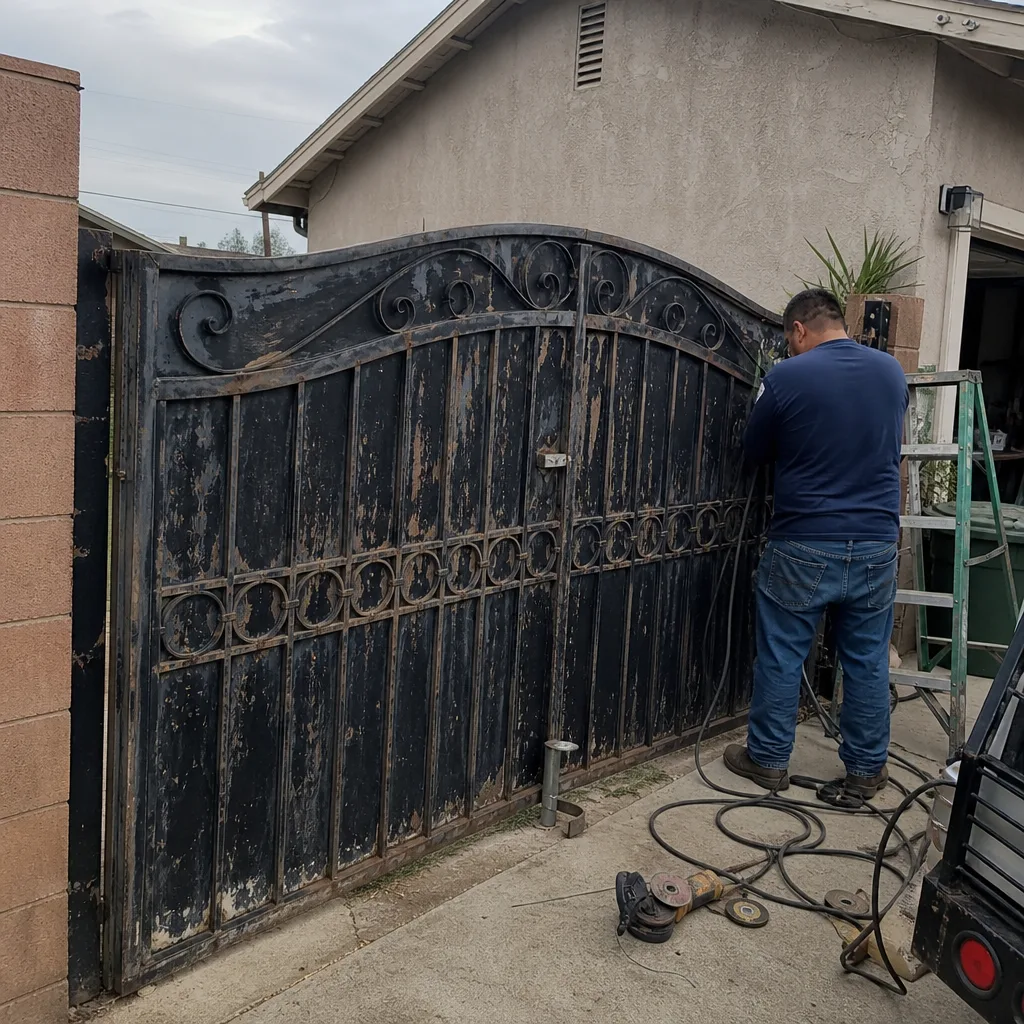 Before
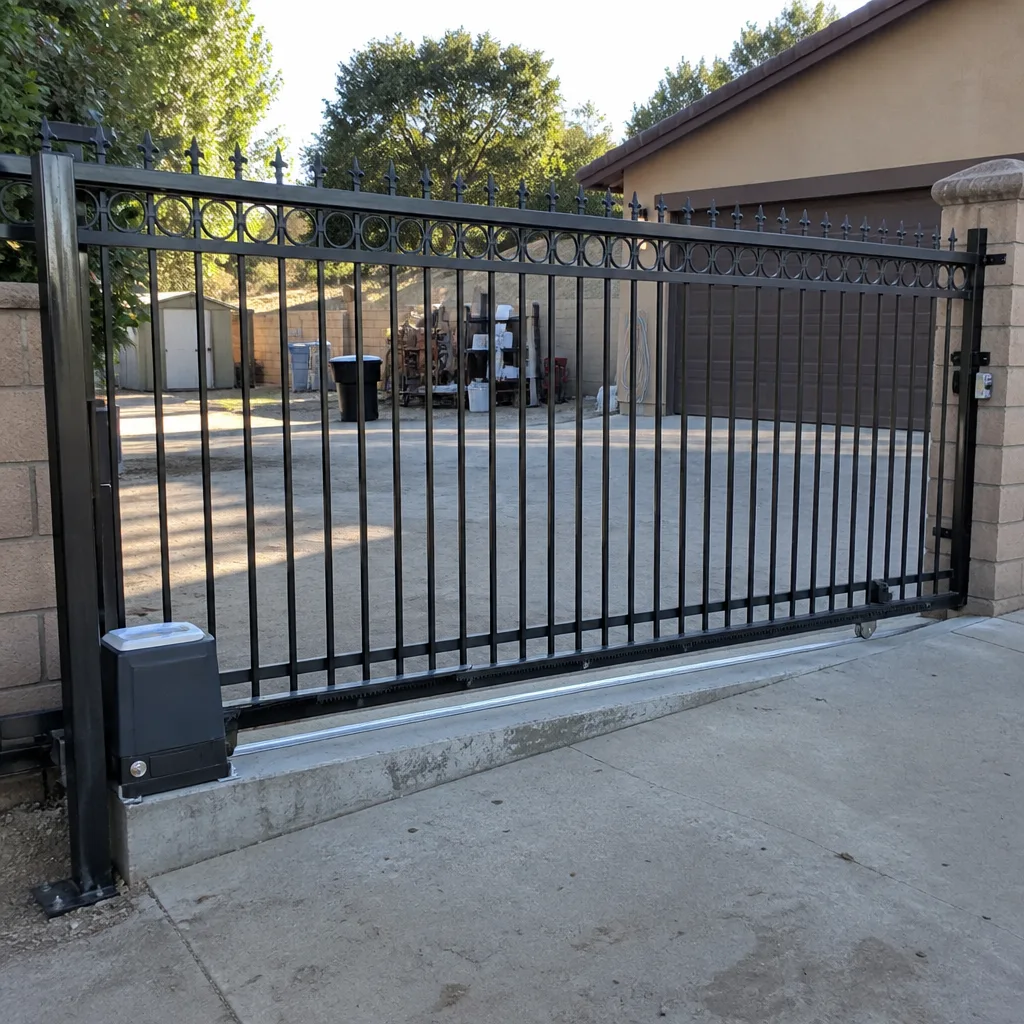 After
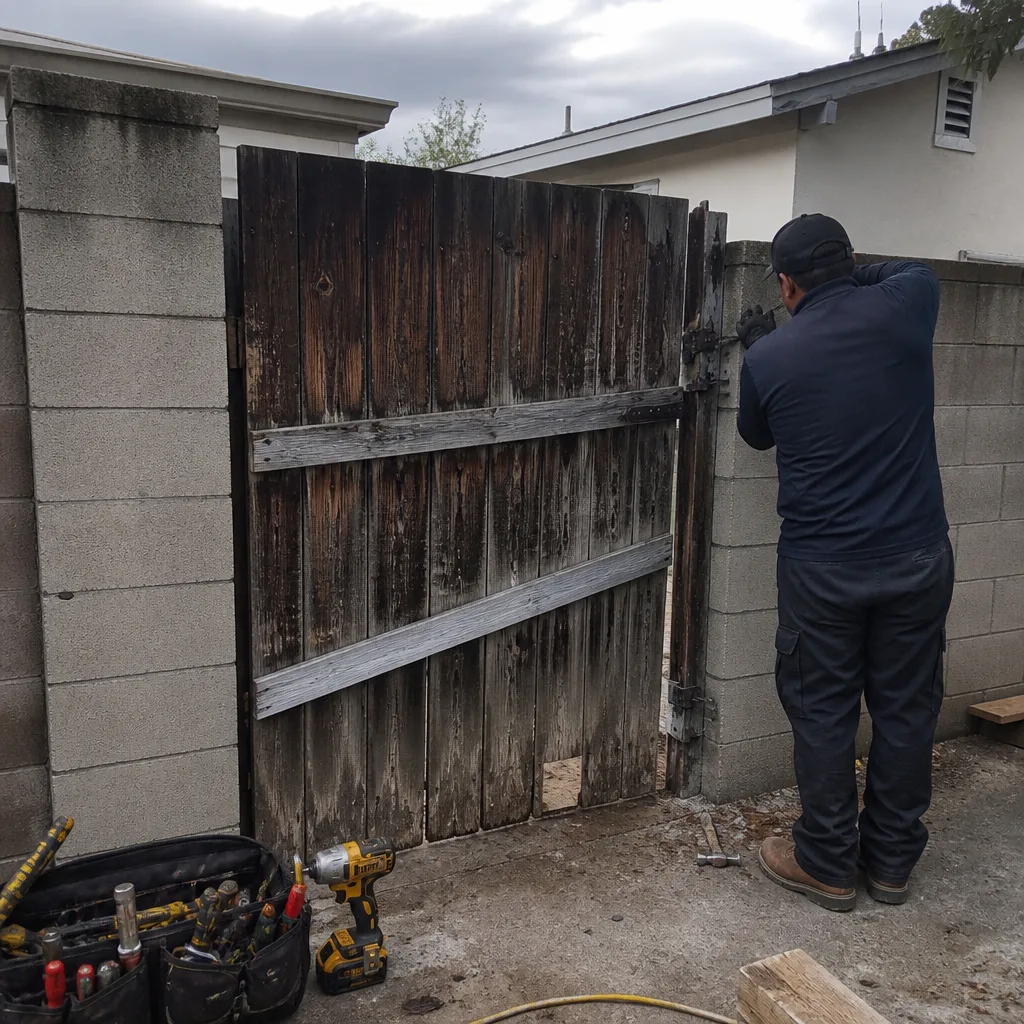 Before
 After
 Before
 After