
Last updated November 2, 2026
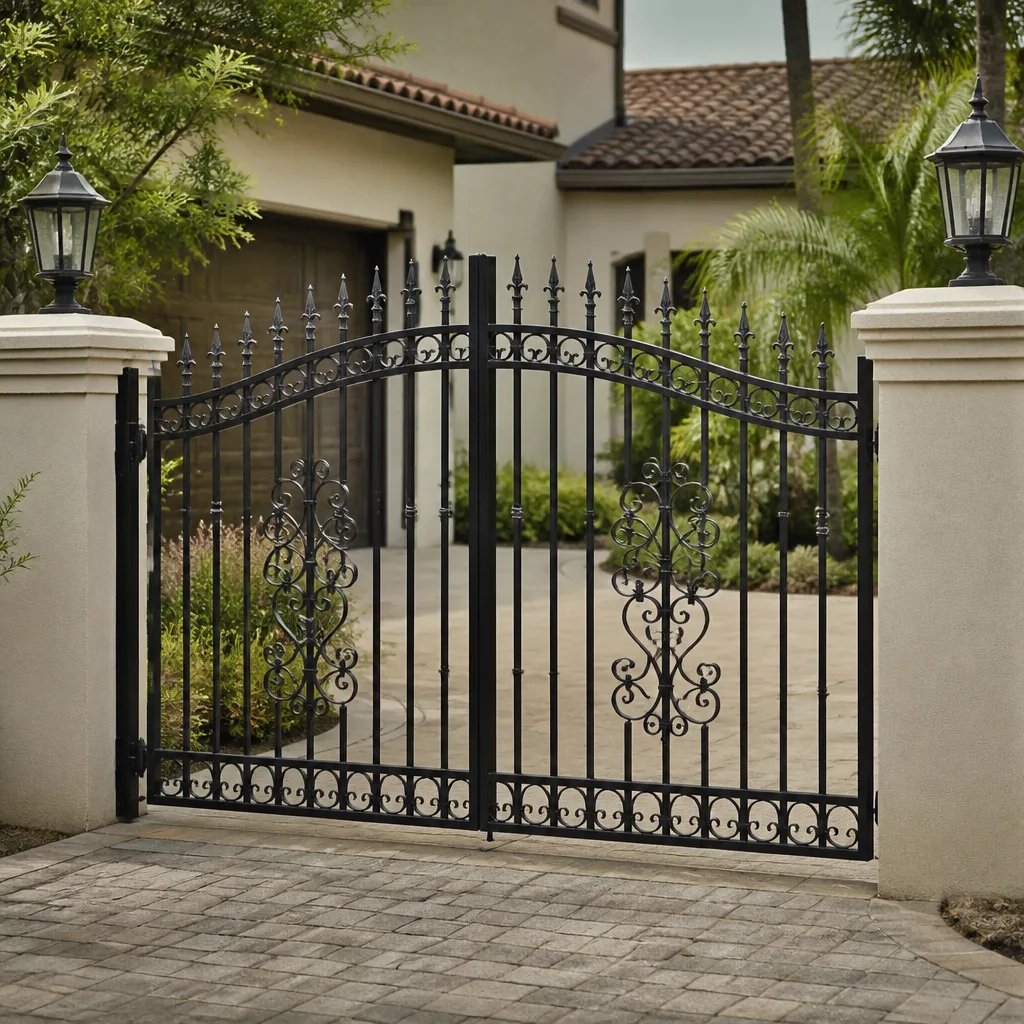 Wrought iron
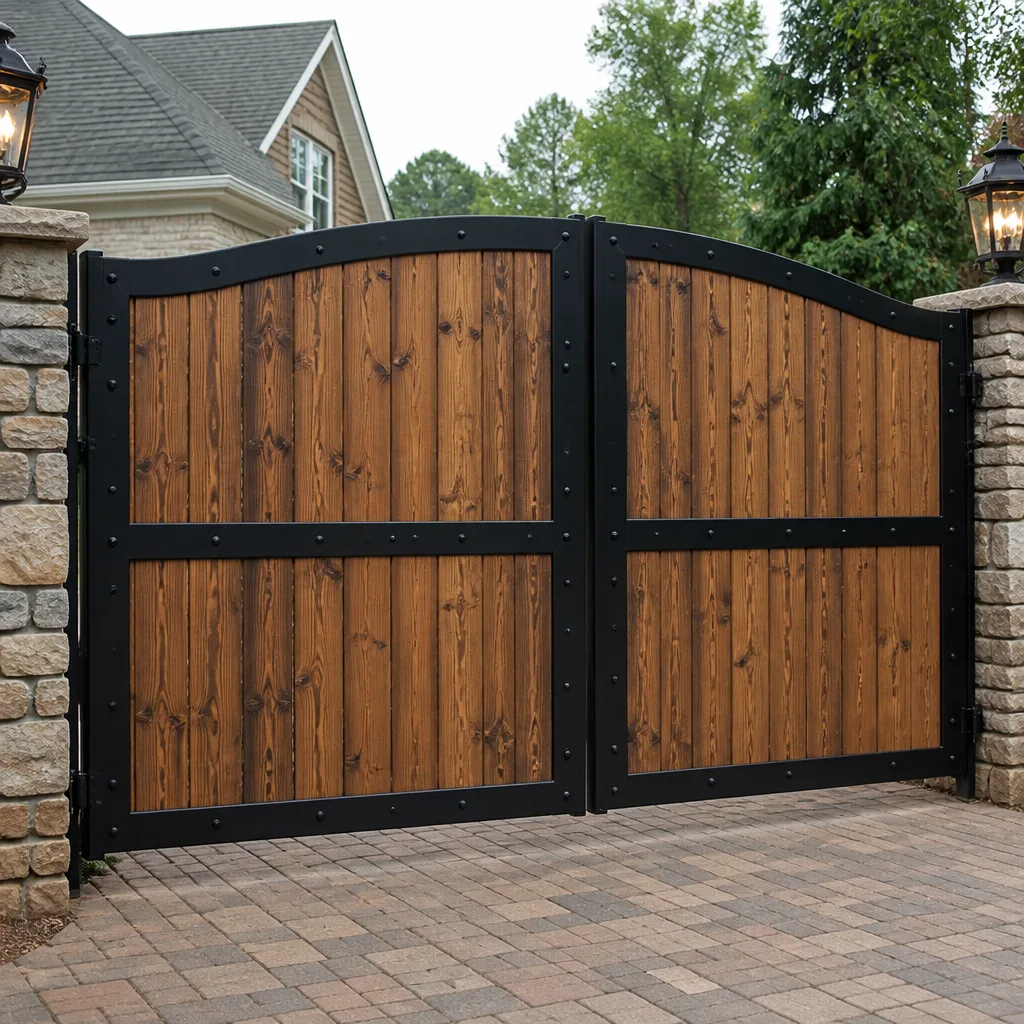 Wood & steel frame
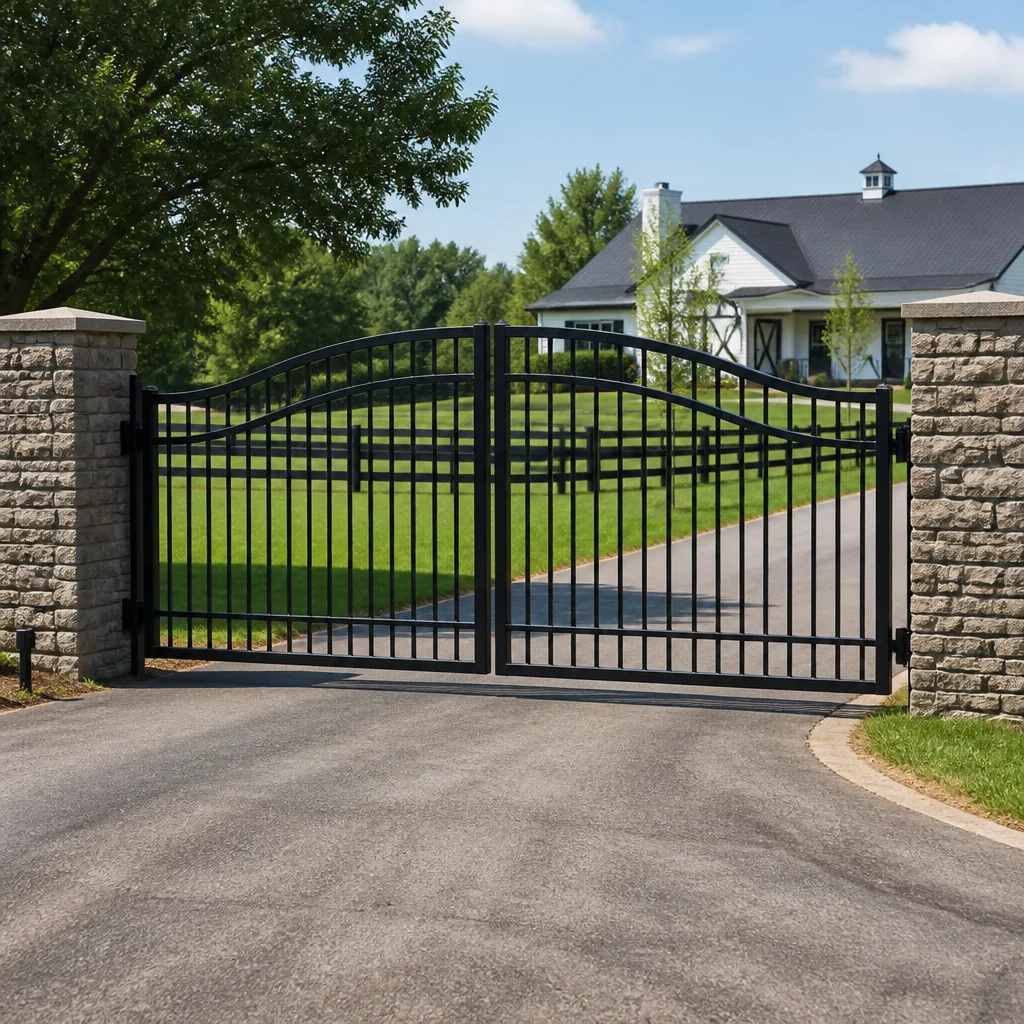 Farm & ranch
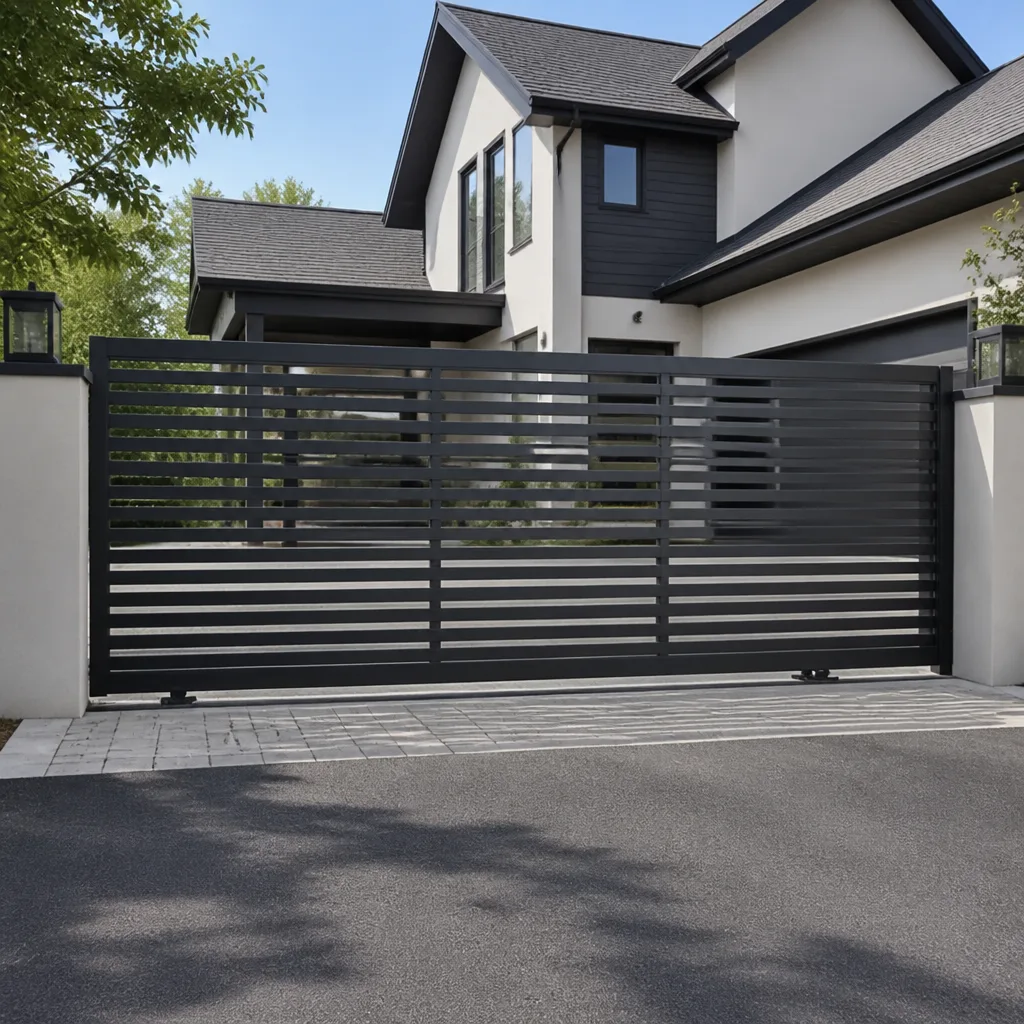 Sliding driveway gates
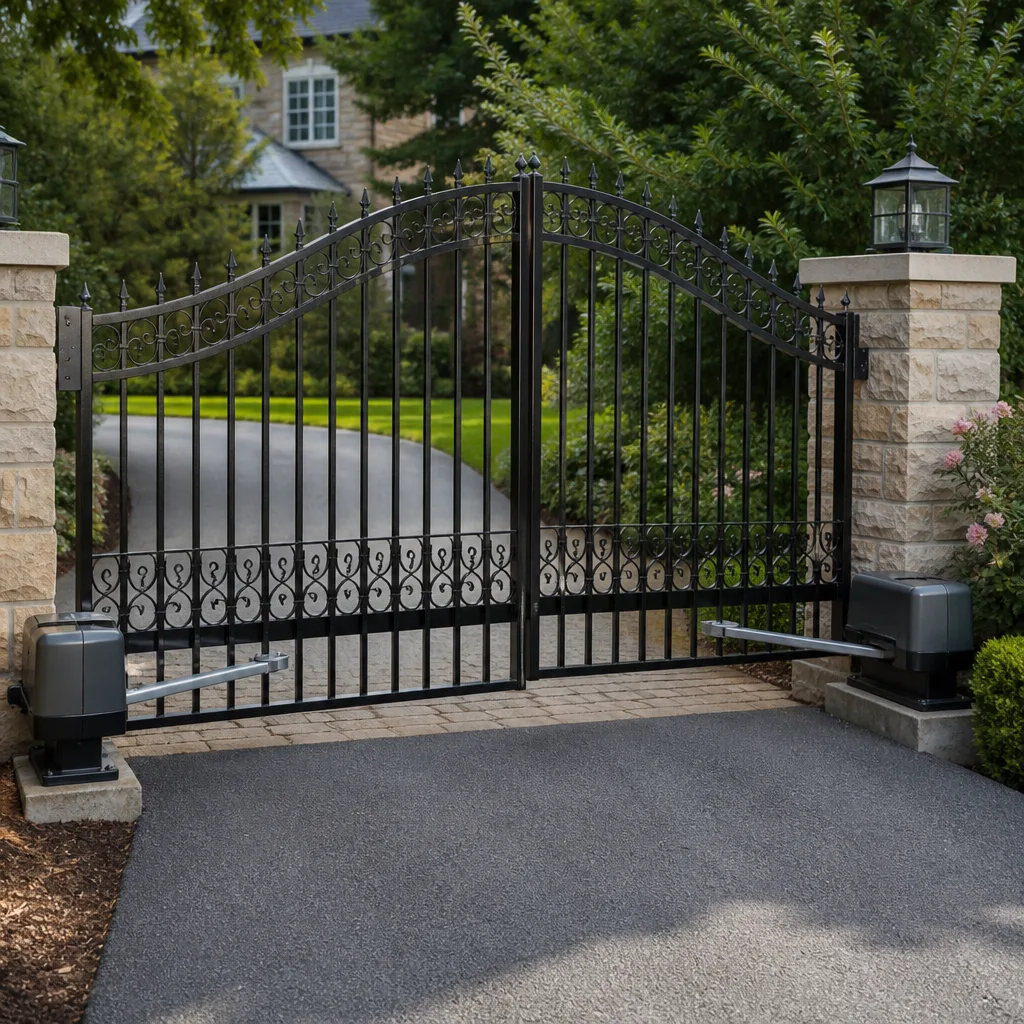 LiftMaster operators
Free on-site gate assessment - hinges, posts, and your LiftMaster or Nice gate operator checked before anything is quoted
The assessment is free and the quote is the invoice.
Get your free estimateGate Repair Permits, Codes & Inspections in CA: What You Need to Know
Here’s the statistic most California gate owners never hear until it’s too late: a majority of automated gate operator replacements in Riverside County happen without a building permit, and the homeowner is the one holding the liability if something goes wrong. In Jurupa Valley, where thousands of homes sit on larger lots with powered entry gates, unpermitted electrical work on a gate is one of the most common findings during property sales and insurance investigations. This guide covers exactly what California code requires, which repairs trigger permits, what a compliant safety inspection actually checks, and how to handle an existing non-compliant gate before it becomes your problem. For Gate Repair Warning Signs: A Jurupa Valley Homeowner’s Reference Guide, see our companion post.
Quick Answer
Minor gate repairs like hinge lubrication, wheel replacement, or physical hardware fixes require no permit in California, though our Gate Repair services can help with any of these maintenance tasks. However, replacing a gate operator, adding automation to a manual gate, running new electrical wiring, or modifying the gate’s entrapment protection system typically triggers a building permit under California Building Code and California Electrical Code. In Jurupa Valley, that permit runs through Riverside County’s building department unless the property sits on an incorporated parcel with its own process, and UL 325 compliance is non-negotiable for any automated gate.
Styles & brands we work with
- Wrought iron
- Wood & steel frame
- Farm & ranch
- Sliding driveway gates
- LiftMaster operators
Table of Contents
- When Gate Repairs Need a Permit (and When They Don’t)
- The California Building Code Sections That Govern Gate Automation
- UL 325 Compliance: Why It Matters for Your Insurance
- How the Jurupa Valley and Riverside County Permit Process Works
- What a Code-Compliant Safety Device Inspection Actually Checks
- Selling a Property with a Non-Compliant Gate: Disclosure and Remediation
- Common Mistakes to Avoid
- When to Call a Professional
- Frequently Asked Questions
When Gate Repairs Need a Permit (and When They Don’t)
The line between a repair and an alteration is where most gate owners get confused, and the distinction matters more than most people realize. A repair restores something to its original condition. An alteration changes what was there before. California’s building departments, including the one governing Jurupa Valley, are consistent on this principle: if you’re swapping a broken hinge for an identical hinge, you’re repairing. If you’re replacing a manual gate with an automated one, you’re altering.
So what falls on each side of the line?
No permit required:
- Lubricating hinges, rollers, and track components
- Replacing worn hinge bearings or bolts with like-for-like parts
- Adjusting gate alignment or fixing a sagging leaf
- Replacing physical hardware like chains, brackets, or weld repairs to the gate structure itself
- Repainting, sandblasting, or cosmetic work
- Replacing a photocell sensor unit where the wiring and mounting remain unchanged
Permit required:
- Replacing an electric gate operator or motor (even if bolt pattern matches)
- Converting a manual gate to an automated system
- Running new low-voltage or line-voltage electrical to a gate
- Modifying the gate’s entrapment protection devices, such as changing the type or location of safety edges
- Adding or relocating a keypad, intercom, or vehicle detection loop that requires new conduit or wiring
- Any structural modification to gate posts, footings, or the gate frame that changes load characteristics
We’ve worked on gates across Jurupa Valley where a previous contractor installed a new LiftMaster or FAAC operator without pulling a permit, bolted it to the existing pad, and told the homeowner it was “just a swap” – a scenario we break down further in our Gate Repair Troubleshooting: Common Problems and How to Fix Them. It’s not. The moment you replace an operator, California requires that the entire system be verified for UL 325 entrapment protection, photo-eye placement, secondary safety devices, and warning signage. That verification is what the permit inspection is for. Bypassing it means the work was never independently checked against code, and that fact follows the property.
The California Building Code Sections That Govern Gate Automation
Most contractors and homeowners never crack open the California Building Code (CBC), so here are the sections that actually matter for gates. The CBC adopts and amends the International Building Code for California, and the sections below are the ones an inspector in Jurupa Valley will reference when they look at an automated gate installation.
The key code references are:
- CBC Chapter 15 – Exterior Walls and Openings covers gate and fence construction, but the real substance for powered gates sits in the referenced standards.
- UL 325 (incorporated by reference) sets the entrapment protection standards for gate operators. This is not optional, and it is the standard most commonly violated in the field.
- California Electrical Code (CEC) Articles 300 and 430 govern wiring methods and motor circuits. Any new conduit run, junction box, or circuit feeding a gate operator must meet CEC requirements, including burial depth for feeders crossing a driveway.
- California Energy Code (Title 24, Part 6) applies to newly installed gate lighting and low-voltage systems, but rarely to operator replacement unless lighting is part of the scope.
- California Plumbing Code for drainage where gate footings or drain lines are altered, though this is uncommon for most gate work.
What catches most Jurupa Valley gate owners off guard is the electrical component. A gate operator on a residential property typically runs on a 120-volt dedicated circuit. The CEC requires a GFCI-protected outlet within reach of the operator location, proper conduit for the branch circuit, and a disconnect that can be locked or turned off within sight of the gate. If any of that is missing, even a simple operator replacement can balloon into a larger electrical scope, which is precisely why it should not be a handyman-grade job. The same applies to commercial operators on multi-tenant properties, where the CBC’s fire access requirements and knock-down panel provisions come into play.
For a deeper look at what a proper repair involves, see our guide on Gate Repair in Jurupa Valley.
UL 325 Compliance: Why It Matters for Your Insurance
UL 325 is the standard that governs the safety of automated gate operators in the United States, and California adopts it with full legal force. The standard exists for one reason: to prevent an automated gate from crushing, trapping, or dragging a person. Since UL 325 became mandatory for gate operators, entrapment deaths involving compliant systems have dropped significantly, but non-compliant installations are still common across Riverside County.
What UL 325 actually requires for a typical residential swing gate or slide gate includes:
- Primary entrapment protection: An inherent or external device that stops and reverses the gate when it contacts an obstruction. Most modern operators have inherent force-sensing built into the motor, but it must be calibrated correctly for the gate’s weight and travel distance.
- Secondary entrapment protection: A photo-eye or edge sensor that covers the gate’s pinch points, especially the leading edge of a slide gate and the hinge side of a swing gate. A contact edge strip or non-contact photoelectric sensor is standard.
- Warning signage: UL 325 requires specific warning placards on both sides of an automated gate that clearly identify automatic operation and entrapment risks. Missing signs are a code violation on their own.
- Gate construction requirements: The gate itself must have a smooth bottom edge, no openings between 2.25 and 6 inches that could trap a child, and hinge hardware that eliminates pinch points relative to the post.
Here’s why this matters from an insurance perspective. Homeowner’s policies in California cover liability for injuries that occur on the property, including injuries caused by the gate, but the insurer can deny coverage if the gate was installed or modified without a permit or in violation of UL 325. A gate owner in Jurupa Valley who replaces an operator with an unpermitted, non-compliant unit is effectively self-insuring any injury claim that involves that gate. We see this less often with reputable brands like FAAC, BFT, Linear, and Viking, because those manufacturers design to UL 325 as standard, but even a compliant operator is non-compliant if it’s installed without the proper photo-eye placement or warning signage. The operator is only one piece of the UL 325 picture.
For commercial gates in particular, UL 325 compliance is not just about safety. It’s about liability exposure, insurance renewals, and, increasingly, property management contracts that require proof of permitting and inspection for automated gate systems. If you manage multi-unit property in Jurupa Valley, an unpermitted gate is a contract breach waiting to happen.
How the Jurupa Valley and Riverside County Permit Process Works
Jurupa Valley is an incorporated city in Riverside County, which means the permit process splits depending on the property type and the nature of the work. Understanding this split saves gate owners weeks of back-and-forth.
For most residential gate work in Jurupa Valley, the building department of record is Riverside County Building and Safety. The county requires a permit for any electrical alteration to a gate system, including operator replacement and new automation. The process generally works like this:
- Prepare a site plan and scope description. The county wants to know the gate type (swing or slide), the operator brand and model, the location of the electrical feed, and the entrapment protection devices being installed.
- Submit the permit application through the county’s online portal or in person. Most residential gate permits are classified as simple electrical or limited scope work, which streamlines the process.
- Pay the permit fee. Residential electrical permits for gate work typically run between $150 and $350 in Riverside County, plus any plan check fees if the scope requires plan review.
- Complete the installation in accordance with the approved scope and UL 325 requirements.
- Schedule and pass the inspection. The inspector verifies operator mounting, conduit and wiring methods, entrapment protection coverage, signage, and operational testing of the reversal system.
For commercial properties and any gate system that includes fire access features, plan review is almost always required, and the process extends by two to three weeks. Commercial gate permits in Riverside County can run from $500 to over $1,500 depending on scope, and the inspector will check for compliance with the CBC’s fire code provisions, including emergency access override and, on electric slide gates, the required manual disconnect or knock-down ability.
One specific note for Jurupa Valley residents: the city has largely maintained county building standards since incorporation, but properties in certain newer developments or those with HOA covenants may have additional design review requirements separate from the building permit. If your gate sits at the entry to an HOA community, check with the association before replacing hardware. Some HOAs restrict operator types, gate styles, and even the side of the post the operator mounts on. The building permit is the floor; the HOA may set a higher bar.
For a full picture of what an installation entails from start to finish, see Gate Installation in Jurupa Valley.
What a Code-Compliant Safety Device Inspection Actually Checks
When a Riverside County inspector arrives at a Jurupa Valley property to sign off on automated gate work, they’re not just looking at the operator. They’re testing a system. Here’s what the inspection actually covers, in the order an inspector typically works through it.
- UL 325 signage: Warning placards displayed on both sides of the gate. Missing signage is an automatic fail.
- Force and reversal testing: The inspector places an obstruction in the gate path and verifies that the gate stops and reverses within the UL 325 force limits. For swing gates, this includes testing both the open and close directions.
- Photo-eye and edge sensor positioning: The inspector verifies that secondary entrapment protection covers all pinch points, including the leading edge of a slide gate and the hinge post area of a swing gate. Mounting height and beam alignment are checked against the operator manufacturer’s specifications.
- Electrical wiring and disconnect: Conduit installation, junction box access, the GFCI-protected receptacle, and the presence of a lockable disconnect within sight of the operator are all checked.
- Gate construction and clearance: The inspector measures bottom clearance, checks for opening sizes that could trap a small child, and verifies hinge gaps are properly guarded.
- Vehicle detection loops: If a loop is part of the system, the inspector verifies the saw-cut depth, sealant, and detector function.
- Fire access features: On commercial gates, the inspector tests the emergency manual override and confirms the gate can be opened by fire personnel without the operator.
We’ve watched inspectors in Jurupa Valley fail installations for a photo-eye mounted two inches higher than the manufacturer’s maximum, or a warning placard placed only on the exterior side. These are small mistakes that block final approval, and they’re the kind of thing a gate specialist catches before inspection day. A contractor who doesn’t understand UL 325 as it applies to a specific operator brand on a specific gate type will cost the owner a failed inspection, a rescheduling fee, and weeks of delay.
If your gate already has automation and you’re unsure when the last safety check happened, see Electric Gate Repair in Jurupa Valley for information on what an inspection and tune-up covers.
Selling a Property with a Non-Compliant Gate: Disclosure and Remediation
If you’re selling a home in Jurupa Valley with an automated gate that was installed or modified without a permit, you have a decision to make, and California’s disclosure laws push that decision onto the seller’s side of the table.
California is a seller-disclosure state. The Transfer Disclosure Statement (TDS) asks the seller whether any work was done on the property without permits, and whether the seller is aware of any safety hazards. A gate operator installed without a permit is a material fact that must be disclosed. Failing to disclose it creates post-sale liability, and claims like this have become more common as automated gates have proliferated across Riverside County.
The practical choices are:
- Remediate before listing. Bring the gate system into compliance now: pull a permit if needed, replace non-compliant components, complete the inspection, and have the paperwork in hand for the buyer. This is the cleanest path and typically costs less than buyers expect, especially when the operator itself is sound and the issues are limited to safety devices and signage.
- Disclose and adjust. If remediation isn’t feasible before listing, disclose the unpermitted work and the system’s non-compliance on the TDS. Buyers often request a credit or negotiate the cost of remediation into the sale price. In a market like Jurupa Valley’s, where entry gates are common but compliance is spotty, this scenario is more common than most agents like to admit.
- Do nothing. This is the option that turns into a lawsuit after the buyer discovers the unpermitted gate during their own inspection, or worse, after an injury occurs and the insurance company refuses coverage.
What does remediation cost in Jurupa Valley? The range is wide. If a gate needs a new operator installed to code with permit and inspection, plan on roughly $2,000 to $5,500 for a typical residential swing gate, depending on brand and site conditions. A Viking or FAAC commercial-grade unit will push higher. If the existing operator is compliant but missing signage or a photo-eye, remediation might be $400 to $1,200. These are the real numbers we work with, not padded estimates, and the permit fee is a small fraction of the total.
One more point that rarely gets discussed: an unpermitted gate can affect the buyer’s ability to obtain homeowners insurance in the first place. California insurers have grown more selective about properties with powered gates, and some underwriting guidelines specifically ask about gate systems and permit documentation. A seller who handles this before listing removes one of the quietest deal-killers in a Riverside County real estate transaction.
Common Mistakes to Avoid
- Treating an operator replacement as a mechanical swap. A new operator involves electrical work, UL 325 compliance, and a permit. In Jurupa Valley, this is the single most common unpermitted gate activity, and it’s the one that creates the largest liability exposure for the owner.
- Ignoring missing warning signage. The placards are cheap, but their absence is a code violation and an easy fail on inspection, and it signals to an insurer that the system was never properly commissioned.
- Skipping the photo-eye on a slide gate. Slide gates have a leading-edge pinch point that is a known entrapment hazard. Without a photo-eye or edge sensor on that leading edge, the system is not UL 325 compliant regardless of how the operator is set up.
- Hiring a general handyman for electrical gate work. A handyman who doesn’t know the difference between a BFT and a Viking operator’s safety inputs is not going to produce a compliant installation, and you’ll pay twice: once for the work and again to fix it.
- Assuming HOA rules follow city rules. Jurupa Valley HOAs can and do impose additional restrictions on gate appearance, operator location, and even brand requirements. Check the CC&Rs before starting any exterior gate modification.
- Waiting until a sale to think about permits. Remediating an unpermitted gate under the pressure of an escrow timeline costs more than doing it proactively, and the disclosure decision is forced rather than chosen.
When to Call a Professional
If your gate operator is being replaced, your manual gate is being automated, or your existing automated gate is showing erratic behavior that suggests a safety sensor issue, this is not the place for guesswork. The electrical and entrapment protection systems on an automated gate carry real safety consequences, and the code compliance piece is not negotiable. Gate Repair Jurupa Valley offers free estimates in Jurupa Valley, and we’ll assess your gate, confirm what does and doesn’t need a permit, and give you a written price before any work starts. Browse more guides & resources on our blog. Call (866) 383-9857 to schedule a visit.
Frequently Asked Questions
Yes, in most cases, replacing a gate operator requires an electrical permit because the operator is connected to a power source and must be verified for UL 325 entrapment protection compliance. In Jurupa Valley and the rest of Riverside County, operator replacement is treated as an electrical alteration, not a simple repair, even when the new operator uses the same mounting points.
Residential gate permits in Riverside County typically run $150 to $350 for electrical scope, while commercial gate permits with plan review can range from $500 to over $1,500 depending on system complexity. The permit cost is separate from the installation work and any inspection reinspection fees that may apply if the first inspection fails.
No. Converting a manual gate to an automated gate is an alteration that requires a building and electrical permit, and the completed system must meet UL 325 safety requirements including entrapment protection and warning signage. Skipping the permit on a manual-to-automatic conversion is one of the highest-risk decisions a Jurupa Valley property owner can make.
A gate operator that lacks the required UL 325 warning placards is non-compliant, even if every other component is correct, and the system will fail a code inspection on signage alone. You can order the placards from the operator manufacturer and mount them on both sides of the gate to resolve the issue without replacing any hardware.
Yes, the California Transfer Disclosure Statement requires you to disclose any work performed without permits, and an unpermitted gate operator or automation installation is a material fact that must be reported to the buyer. A failure to disclose exposes the seller to post-sale liability claims and can unravel a completed escrow.
California does not require an annual gate inspection for residential properties, but commercial properties should have automated gates tested at least annually, and many property insurers now require documentation of UL 325 compliance checks as a condition of renewal. For homeowners, an annual safety check is inexpensive compared to the cost of a non-compliant gate discovered after an incident.
Yes, when the scope requires a permit, we handle the permit application, schedule the inspection, and ensure the work passes before we call the job complete. If you’re not sure whether your gate project needs a permit, we’ll tell you during the estimate, and you’ll know the full scope and price before any work begins.
The Bottom Line
California’s gate permit rules are not the gray area most people assume them to be. The line is simple: physical repairs to the gate structure generally need nothing, but anything that touches the operator, the automation, the electrical feed, or the safety system is permit territory. In Jurupa Valley, that permit comes with a UL 325 inspection that checks entrapment protection, signage, and wiring, and skipping any of it leaves you exposed in ways that surface at sale, after an insurance claim, or both. If you’re repairing, automating, or replacing a gate system on a property in Jurupa Valley, contact Gate Repair Jurupa Valley for a free estimate and a straight answer on what your project needs to be code-compliant. Call (866) 383-9857 to schedule a visit.
Written by the team at Gate Repair Jurupa Valley, serving Jurupa Valley since 2015.
See the difference
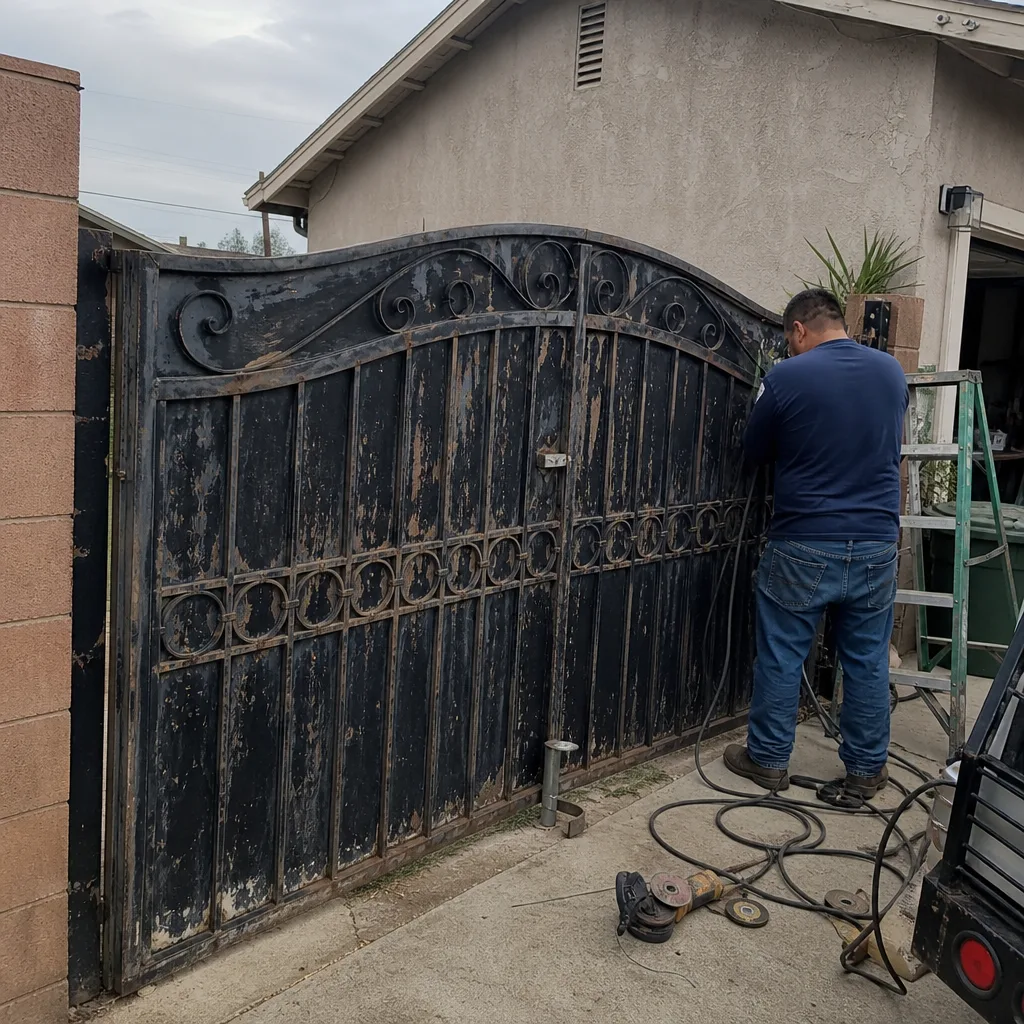 Before
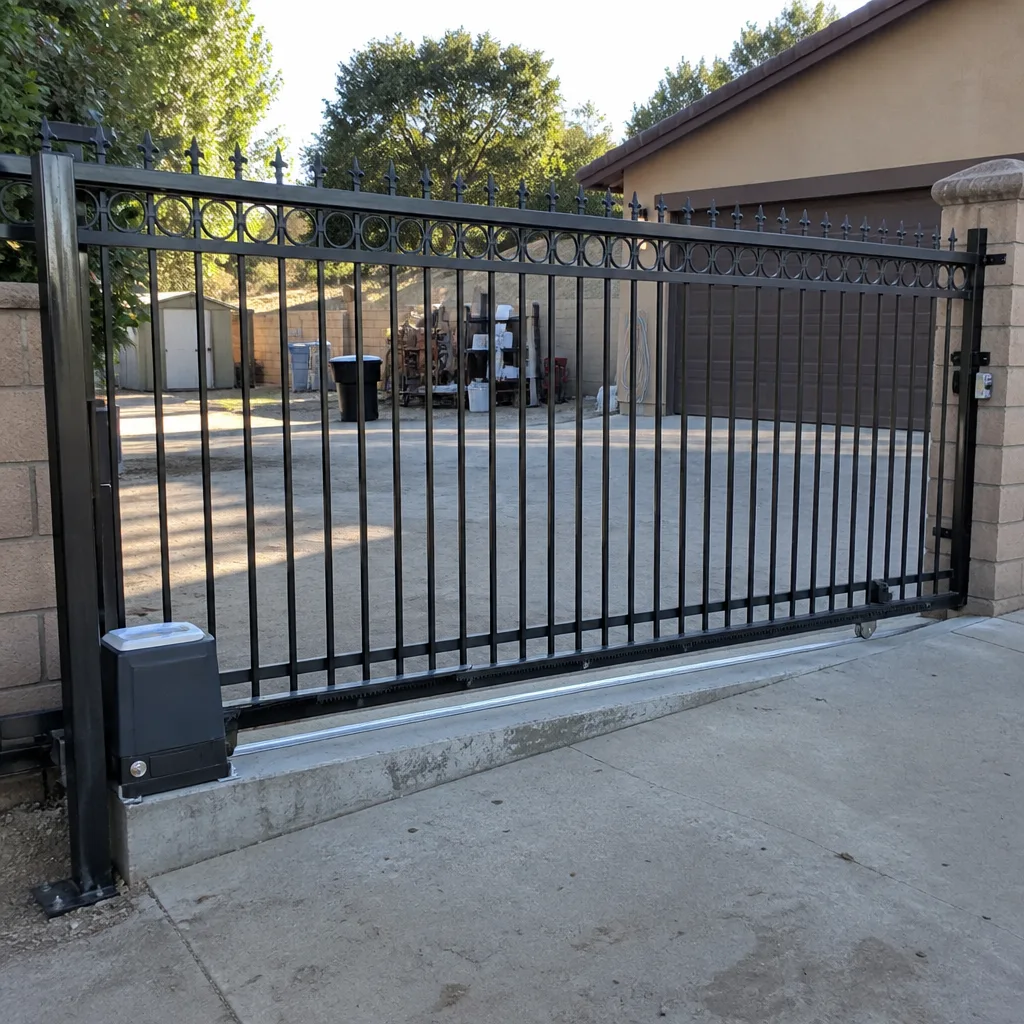 After
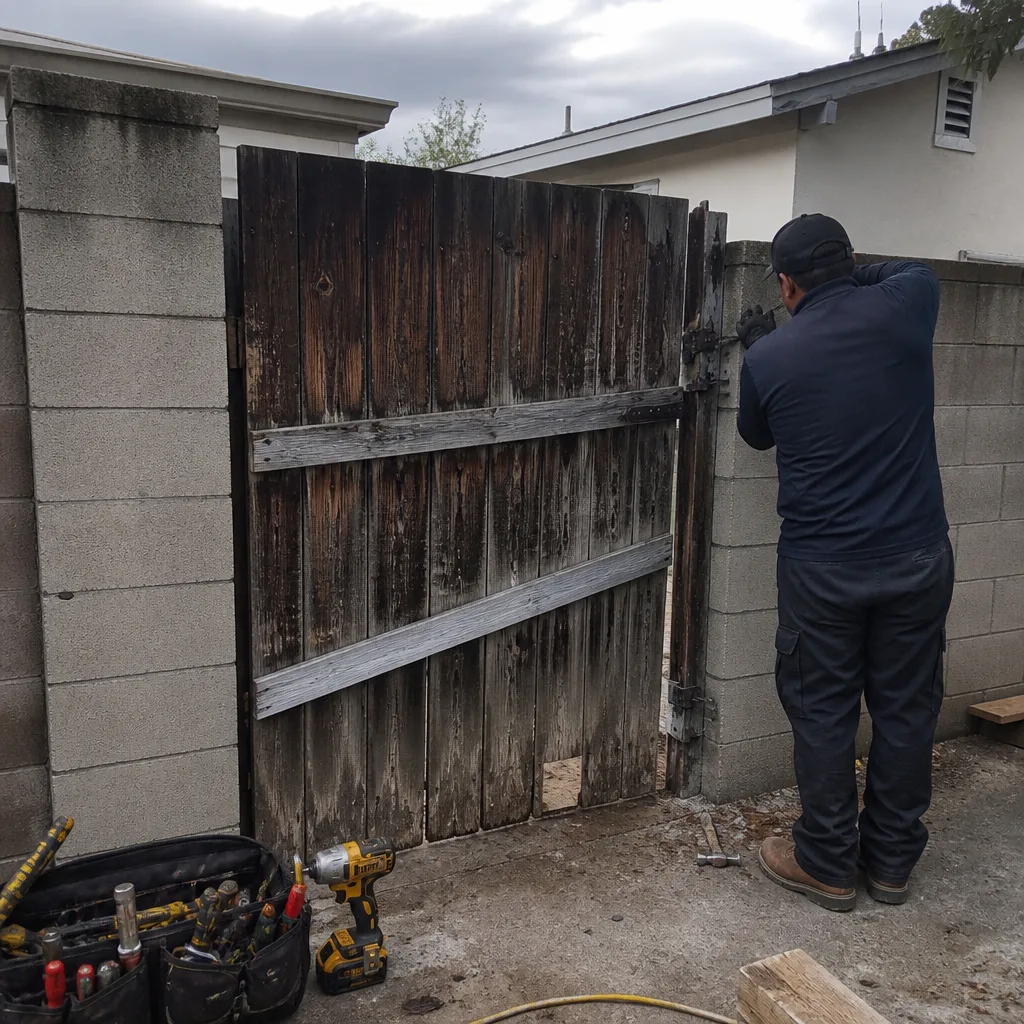 Before
 After
 Before
 After