
Last updated November 2, 2026
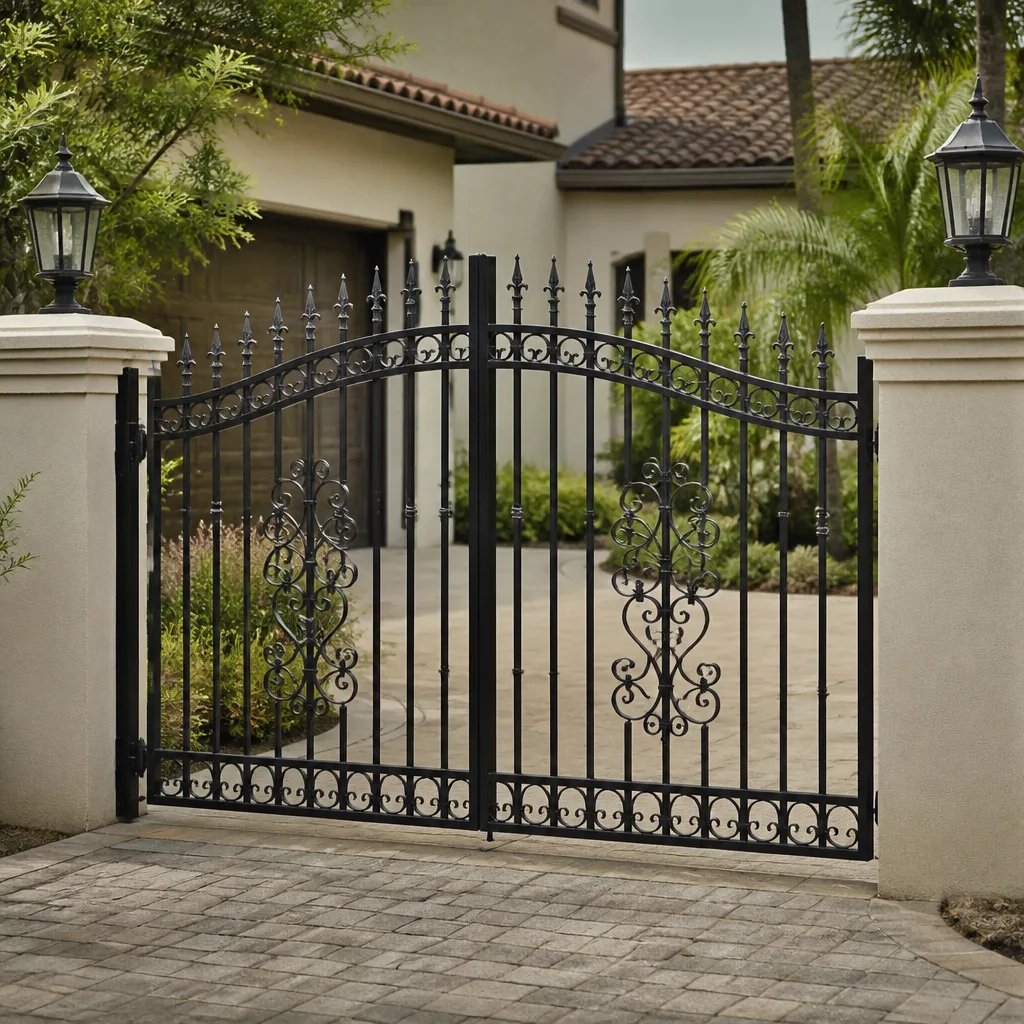 Wrought iron
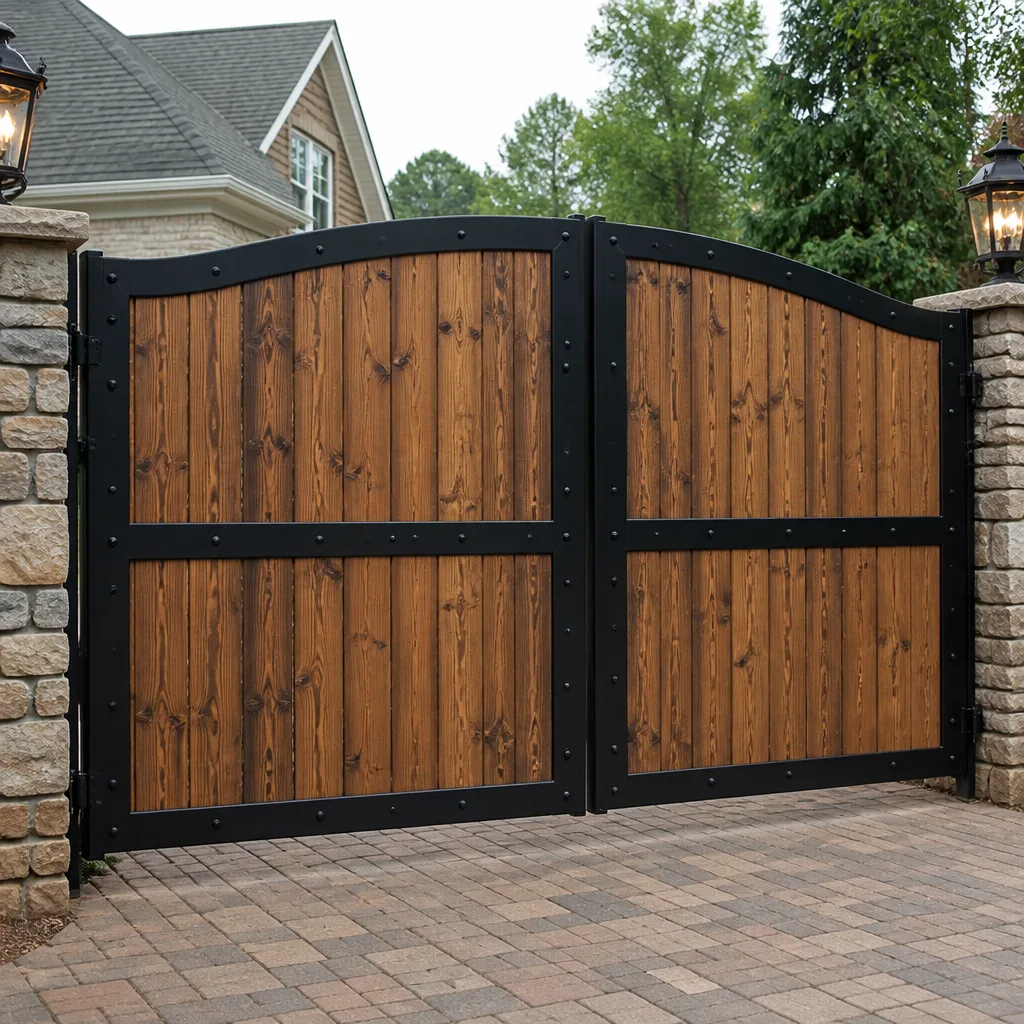 Wood & steel frame
 Farm & ranch
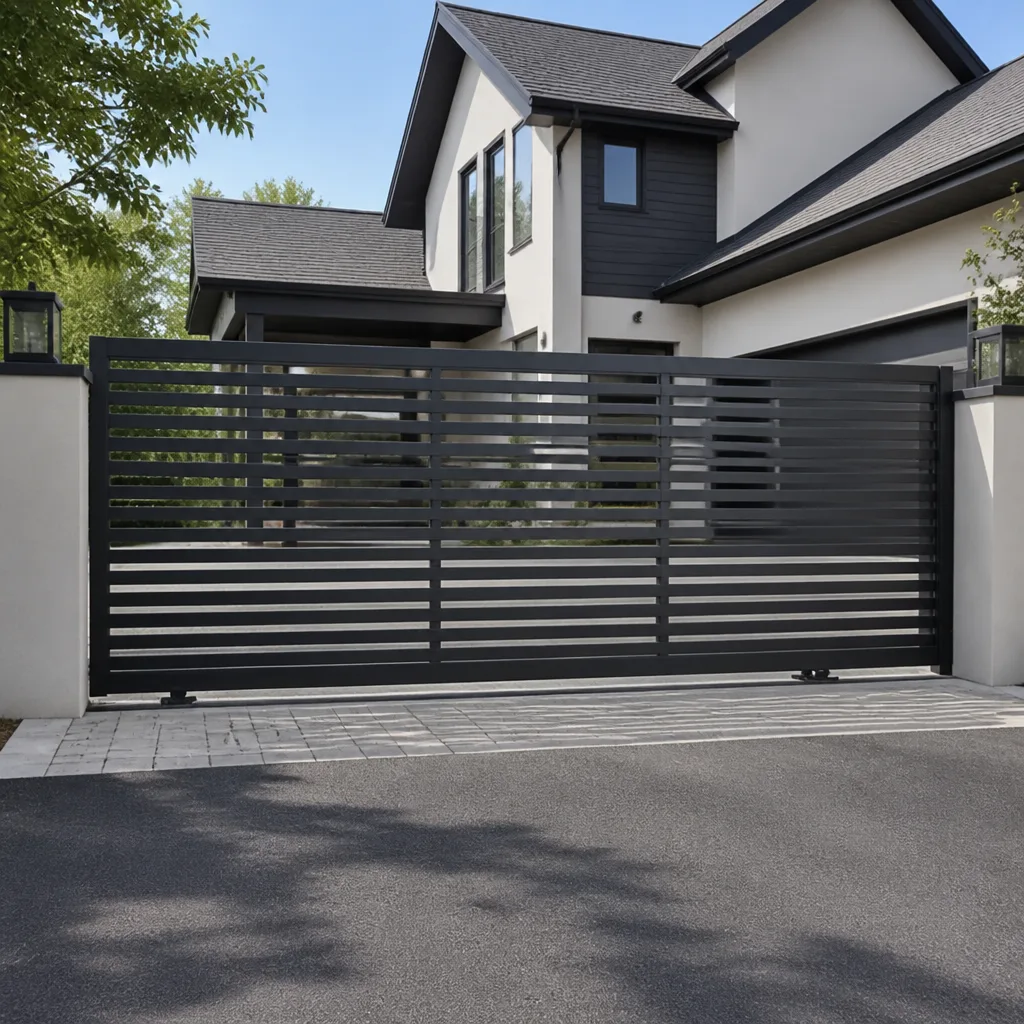 Sliding driveway gates
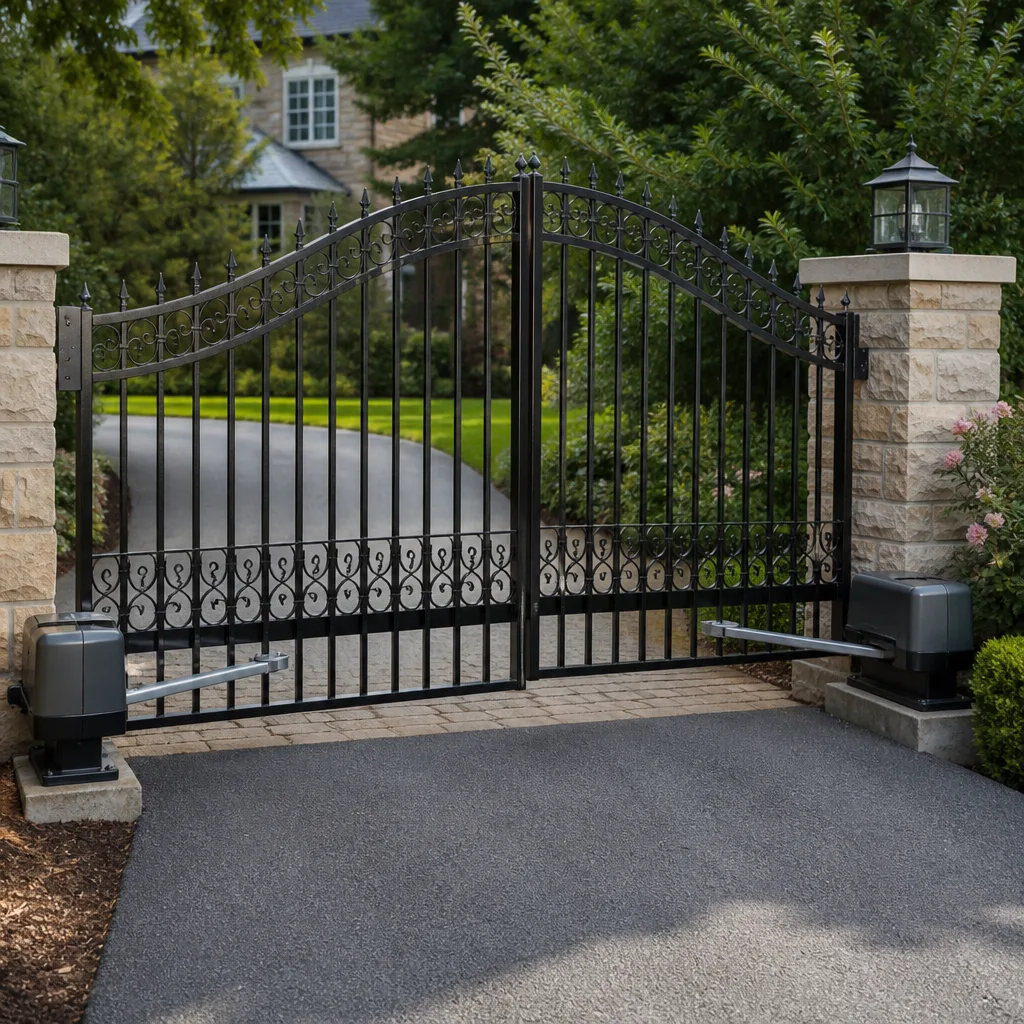 LiftMaster operators
Free on-site gate assessment - hinges, posts, and your LiftMaster or Nice gate operator checked before anything is quoted
The assessment is free and the quote is the invoice.
Get your free estimateGate Repair Emergency Preparedness Guide for Jurupa Valley Homes
In Jurupa Valley, the typical automatic gate cycles somewhere between 6,000 and 14,000 times per year. Each cycle wears the hinge bearings, stresses the motor capacitor, and chips away at the circuit board’s solder joints, often invisibly. The failure rarely announces itself on a Tuesday afternoon. It happens at 11 PM when the gate is stuck half-travel, or on a 112-degree August morning when the board overheats and the keypad goes dead. This Gate Repair guide gives you a working plan for both types of gate failure: the gate stuck open, and the gate stuck closed. You’ll learn what to do in the first ten minutes, what to say when you call for help, and what to prepare now so that when the failure comes, you’re not learning in the dark.
Styles & brands we work with
- Wrought iron
- Wood & steel frame
- Farm & ranch
- Sliding driveway gates
- LiftMaster operators
Quick Answer
Gate emergencies in Jurupa Valley fall into two categories that demand opposite responses. A gate stuck open is a security emergency: secure it immediately with temporary measures that don’t damage the drive system. A gate stuck closed is an access emergency: you need to disengage the operator using your specific brand’s manual release, then get the gate open and prop it safely. After either, call (866) 383-9857 and tell the dispatcher your operator brand, what the gate is doing exactly, and whether the property is secured.
Table of Contents
- The Two Kinds of Gate Emergencies (and Why They Need Different Responses)
- Manual Release Procedures for Major Operator Brands
- How to Secure a Gate Stuck Open Without Damaging the Drive System
- Power Outage Protocol: Battery Backup Realities in Jurupa Valley Heat
- What to Tell the Emergency Dispatcher When You Call
- Preparedness Steps You Can Take This Weekend
- Early Warning Signs That Your Gate Is About to Fail
- Common Mistakes to Avoid
- When to Call a Professional
- Frequently Asked Questions
- The Bottom Line
The Two Kinds of Gate Emergencies (and Why They Need Different Responses)
A gate stuck open and a gate stuck closed are not the same problem with different positions. They are fundamentally different emergencies.
A gate stuck open removes the barrier between your property and the street. On a residential street in Jurupa Valley, that means anyone can walk or drive in. On a commercial lot off Mission Boulevard or Van Buren, it means inventory, vehicles, and equipment are exposed. The priority here is not fixing the gate, it’s restoring a barrier, and restoring it in a way that doesn’t add a new problem. If you chain the gate to the fence post and then someone tries to run the operator, you’ve now got a bent drive arm, a stripped gear, or a burnt motor on top of the original failure.
A gate stuck closed removes your ability to get vehicles in or out. If the gate is the only vehicle access point, a stuck-closed gate means you can’t get your car out to buy fuel, reach a pharmacy, or get to work. For some Jurupa Valley properties that sit on larger lots with a single gate, this is a genuine entrapment scenario. The priority here is manual release: disengaging the operator so the gate swings or slides freely.
We’ve seen both failures happen within the same week on the same street. The homeowner who had a plan was back to normal in a few hours. The homeowner who didn’t spent a night with a gate propped open by a trash can and a drive system that needed an extra $400 in repairs because somebody forced the gate against the motor.
This guide covers both categories in detail. Read the sections that apply to you now, and read the rest so you’re ready for the other failure when it comes, because it will. For additional preparation, see our Gate Repair Maintenance Checklist for Jurupa Valley Homeowners.
Manual Release Procedures for Major Operator Brands
Every automatic gate operator has a manual release mechanism. It exists precisely for the situation where the motor won’t run and you need to move the gate by hand. The mechanism varies by brand, and the location varies by model. Here’s what you need to know for the brands we see most often around Jurupa Valley.
Linear operators typically have a release lever on the side of the operator housing or a pull-down chain on the drive arm. Pull down and lock the lever in the disengaged position, and the gate will swing or slide free. Re-engage by returning the lever to its original position and giving the gate a gentle push until you hear the gear catch.
Viking operators usually use a keyed release. The operator housing has a small lock cylinder; insert the key, turn it a quarter-turn counterclockwise, and the gearbox disengages. On some Viking models there’s also a red release knob inside the housing. Don’t force the key; if it’s stiff, the operator may have been painted over or the cylinder may be gummed with dust from the Santa Ana winds. Turn the key back clockwise and verify the gate is engaged by listening for the click and testing that the gate no longer moves freely.
Ghost Controls builds residential swing-arm operators with a simple pull handle on the operator arm itself. Reach down, pull the handle outward, and the arm releases from the drive spindle. The gate then moves like a normal manual gate. To re-engage, line the arm back up with the spindle and push the handle in until it locks. Ghost Controls makes this one of the easiest manual releases in the residential market, which is one reason we recommend the brand for Jurupa Valley homes where the gate sees daily vehicle traffic.
DoorKing operators, especially the commercial slide-gate models, use a mechanical release on the drive chain or drive rail. On chain-drive units there’s a release handle at the operator; pull it to separate the chain from the drive sprocket. On some DoorKing models the release is behind a small access panel on the operator housing. Re-engage by reversing the motion and manually jogging the gate slightly until the chain seats back on the sprocket.
A safety note for all brands: a released gate still weighs several hundred pounds. On a slide gate, if your property has any slope, the gate can roll on its own once released. Block the wheels before you release, not after. And never put your hand inside the operator housing while the operator has power. Disconnect the power at the breaker first if you’re opening the housing at all.
If you don’t know which of these brands is on your property, take a photo of the operator housing including any labels and send it to the technician when you call. At Gate Repair Jurupa Valley home, we can identify most operators from a photo within seconds, and we’ll walk you through the release procedure for your exact model before the truck rolls.
How to Secure a Gate Stuck Open Without Damaging the Drive System
When an automatic gate is stuck in the open position, the worst thing you can do is force it closed. A swing gate with a broken capacitor or fried board will resist movement; if you push through that resistance, you’re transferring the force directly into the gearbox and drive arm. That’s how a $200 board failure becomes an $1,100 operator replacement.
The correct sequence:
- Cut power to the operator. Find the breaker or unplug the operator. You’re eliminating the possibility that the motor restarts while you’re securing the gate.
- Disengage the manual release. Use the procedure for your brand from the section above. The gate should now move without resistance.
- Move the gate to the closed position by hand. Go slowly. If you hear grinding or the gate catches, stop and reassess.
- Secure the gate closed. Use a chain and padlock around the gate frame and the fence post, or a heavy-duty security cable. Do not chain the gate to the operator arm or to any part of the drive system. Run the chain through the gate structure itself.
- Mark the gate as out of service. A sheet of paper in a plastic bag with “GATE OUT OF SERVICE” prevents someone from trying to open it by hand and straining the disconnected mechanism.
If the gate cannot be moved closed by hand even after release, it means the physical failure is mechanical, not electrical. A bent track, a snapped hinge, a wheel that’s jumped the rail. In that case, secure the opening with temporary barriers: traffic cones, caution tape, or a parked vehicle across the opening if your property layout allows it. Then call us at (866) 383-9857 and describe the resistance; that tells us whether we’re sending a gate technician with electrical diagnostic gear or mechanical replacement parts.
For Gate Repair in Jurupa Valley customers, this temporary securing procedure takes most people under ten minutes. It’s not supposed to be a permanent fix. It’s supposed to hold the property secure overnight until a proper diagnosis and repair quote are done.
Power Outage Protocol: Battery Backup Realities in Jurupa Valley Heat
Jurupa Valley loses power more often than most Riverside County communities: summer rolling blackouts, winter wind events, and the occasional transformer failure on the older grid sections near Pedley and Rubidoux. When the power drops, your gate operator switches to battery backup, if it has one, and that backup has a finite number of cycles.
A healthy battery backup on a residential swing gate operator will typically deliver between 15 and 30 full open-close cycles before it’s exhausted. That number drops sharply with battery age. A battery that’s three years old in Jurupa Valley’s heat has likely lost 40-50% of its original capacity. A battery that’s five years old in direct sun exposure on a west-facing operator housing may deliver fewer than five cycles before it’s dead.
Heat is the multiplier. Jurupa Valley summer temperatures push past 105°F regularly, and an operator housing mounted without shade can reach 130°F internal temperature. Batteries degrade faster in that environment than anywhere in coastal Southern California. If your operator is more than three years old and you’ve never had the backup battery checked, assume it will not support you through an extended outage.
Here’s the protocol we recommend for Jurupa Valley properties:
- When the power drops, immediately reduce gate usage. Each cycle eats battery capacity you might need later. If you don’t need to leave, don’t run the gate.
- Test the backup once. Run one open-close cycle to confirm the backup is functioning. If the gate moves slowly or not at all, the battery is dead or near dead.
- Switch to manual release for the duration of the outage. Release the operator using the procedure for your brand. Operate the gate by hand until power returns. A manual gate uses no battery power at all.
- If you decide to stay on battery power, track your cycles. After about 10 cycles, expect the battery to fail, and the failure may come mid-cycle with the gate stopped halfway.
- When power returns, re-engage the operator and test one cycle. If the gate is sluggish, the battery may have been drained and the charging circuit is recovering. If the gate doesn’t move, the battery may need replacement.
If your operator doesn’t have a battery backup at all, understand what that means: when the power drops, your gate is dead unless you manually release it. This is a common situation with older Linear and DoorKing installations around Jurupa Valley that were built before battery backup became standard. We answer questions about backup options and whether your existing operator can be retrofitted as part of our Electric Gate Repair in Jurupa Valley service.
What to Tell the Emergency Dispatcher When You Call
The information you provide in your first phone call determines whether a technician arrives prepared or arrives, looks at the gate, and then has to leave for parts. The difference is usually measured in hours.
Here’s what an emergency gate dispatcher actually needs to know:
- The operator brand. Say “DoorKing slide gate” or “Ghost Controls swing arm.” Brand names are the single most useful piece of information. We carry diagnostic equipment and common parts for specific brands, and knowing the brand means we can bring the right board, capacitor, or limit switch on the first trip.
- What the gate is doing right now. Is it stuck full open? Stuck full closed? Stopped mid-travel? Does it hum but not move? Does the keypad beep but nothing happens? Each symptom points to a different failure: a hum-but-no-move usually means a capacitor or motor issue; a dead keypad usually means a board, fuse, or power supply issue.
- What happened immediately before the failure. Was there a power outage? A big wind event? Did someone hit the gate with a vehicle? Was there recent construction or landscaping work near the gate? These details shortcut the diagnosis.
- Whether the gate is currently secured. “The gate is stuck open and I’ve chained it closed” is a very different call than “The gate is stuck open and I can’t secure it.” We prioritize unsecured-open gates highest.
- Property type and access. Single-family home, multi-unit property, or commercial lot? Is there a pedestrian gate or secondary access, or is the main gate the only way in? How wide is the gate? A 16-foot commercial slide gate tells us to bring different equipment than an 8-foot residential swing gate.
- Whether anyone is trapped or unable to access the property. If a vehicle can’t get out and the resident needs to leave for medical reasons, that changes the response priority.
Write the operator brand and model on a label and stick it inside the operator housing or on the inside of your electrical panel, as outlined in our Gate Repair Permits, Codes & Inspections in CA: What You Need to Know. In a 2 AM emergency, you will not remember whether your operator is a Linear or a Viking. The label will.
Preparedness Steps You Can Take This Weekend
Everything in this section costs under fifty dollars and takes less than an hour. Every one of these steps makes a future gate emergency dramatically easier to handle.
Step 1: Label your operator model. Open the operator housing cover (with power cut at the breaker) and find the model plate. Photograph it. Write the brand and model on a piece of tape and stick it inside the housing, where it will not interfere with moving parts. This is the first thing a technician will look for.
Step 2: Photograph your control board. Before there’s any problem, take a clear photo of the circuit board inside the operator housing. A photo of a healthy board is immensely useful for electric gate repair diagnosis. When we see a photo of the board and a photo of what it looked like before, we can often identify which component failed and whether the board can be repaired or needs replacement without a second trip.
Step 3: Read and store your manual. The manual for your operator is probably in a drawer or lost entirely. Find it if you can. If you can’t, look up the model number online and download the PDF. Print the manual release page and store it in a ziplock bag taped to the inside of the operator housing. In an emergency, that page is worth more than the entire rest of the manual.
Step 4: Buy a gate emergency kit. A small plastic tote containing: one heavy chain and padlock, two traffic cones, a roll of caution tape, a headlamp, and a printed copy of the manual release instructions. Store it in the garage or near the electrical panel. Total cost: around $40.
Step 5: Test the manual release once. Do it on a nice day when there’s no emergency. Disengage the release using the procedure for your brand, swing the gate by hand, and re-engage it. If the release is stiff or you can’t find it, call us at (866) 383-9857 and we’ll walk you through it. You do not want your first attempt at manual release to be in the dark during a Santa Ana wind event.
Step 6: Know your gate’s weak points. In Jurupa Valley’s climate, we see three recurring failure types more than any others: hinge bearings seizing from dust and heat cycling, capacitor failures from thermal stress, and limit switch wear from high cycle counts. If your gate has been in service for more than seven years without a hinge bearing replacement or capacitor check, schedule a preventive inspection. It’s far cheaper than an emergency call at midnight.
Early Warning Signs That Your Gate Is About to Fail
Most gate failures are not surprises. They are the end point of a slow decline that produces warning signs for weeks or months before the gate finally stops. In our experience working on gates throughout Jurupa Valley, these are the signs that most often precede a full failure:
- The gate moves noticeably slower than it did six months ago. This usually means the capacitor is degrading, the motor bearings are wearing, or the gearbox is developing resistance. Fixing it at the “slow” stage often costs under $200. Fixing it after the failure often costs $600 or more.
- The gate pauses or hesitates mid-travel. This is a classic limit switch or obstruction sensor issue. It will get worse, and eventually the gate will stop mid-travel and refuse to move.
- The operator hums but the gate doesn’t move. This almost always means the capacitor has failed or the motor has lost its start winding. Stop running the gate immediately and call for repair. Continued attempts can burn out the motor completely.
- The keypad or remote works intermittently. Intermittent electrical issues point to a failing board, a loose connection, or a receiver that’s drifting out of alignment. Intermittent means it works 80% of the time until the one time it doesn’t work and you’re late for work.
- The gate makes a grinding or scraping sound. That’s usually mechanical: a wheel bearing, hinge bearing, or drive gear that’s running dry or wearing out. Grease may quiet it temporarily. It will come back.
- The gate doesn’t close fully, leaving a gap. On a slide gate, this is often a limit switch or obstruction sensor misadjustment. On a swing gate, it can be a worn hinge. Either way, a gate that closes to within six inches of fully closed is not providing the security you paid for.
If you notice any of these signs, call for a diagnosis before the failure happens. A preventive repair is scheduled on your timeline. An emergency repair is scheduled on the gate’s timeline, and the gate always picks the worst possible moment.
Common Mistakes to Avoid
- Forcing the gate closed against a dead operator. When an operator loses power, the gate resists movement. Pushing through that resistance transfers force into the gearbox and drive arm. We’ve replaced operators in Jurupa Valley that were destroyed by a determined homeowner with a truck and a tow strap. Disengage the release first, always.
- Chaining the gate to the operator arm or drive rail. The chain might hold the gate, but if anyone tries to run the operator, the motor will strain against an immovable load and burn out in under a minute. Chain the gate to the fence structure only.
- Running the gate on battery power and depleting it completely. Deep-discharging a lead-acid backup battery reduces its lifespan permanently. After an outage, a deeply discharged battery may never hold a full charge again.
- Attempting board-level repairs without cutting power. A gate operator runs on 120V or 240V. Working on the board with power live is a serious shock hazard. Cut power at the breaker before opening the housing for anything beyond a visual inspection.
- Using the gate as normal after noticing a new noise. New sounds mean something changed. Running the gate for two more weeks because “it still works” usually converts a cheap repair into an expensive replacement.
- Having no idea what brand of operator you own. In an emergency, this single missing piece of information can add hours to the response time, because the technician can’t arrive with the right parts on the first trip.
- Assuming battery backup lasts indefinitely. In Jurupa Valley’s summer heat, a backup battery that’s more than three years old is a gamble, not a guarantee. Test it or replace it before you need it.
When to Call a Professional
Some gate issues are safe to manage with the manual release and temporary securing procedures in this guide. Many are not. If the gate is stuck and you’ve tried the manual release but it won’t budge, the failure is mechanical and forcing it will cause further damage. If the operator hums, clicks, or smells like burning electronics, stop using it immediately and cut power. If the gate is partway open and won’t move in either direction, the drive system has likely seized or jammed. If you’ve had repeated power outages and the gate has failed to respond after the second one, the backup system needs professional evaluation. For any of these situations, Gate Repair Jurupa Valley offers free estimates in Jurupa Valley, call (866) 383-9857. We’d rather talk you through a manual release at no charge than respond to an injury or a destroyed operator that a forced fix created.
Frequently Asked Questions
First, cut power to the operator at the breaker, then find the manual release for your operator brand and disengage it. The gate should move freely by hand. If it does, close it and secure it with a chain and padlock around the gate frame and fence post, not the operator arm. If it won’t move even after release, the failure is mechanical and you should call (866) 383-9857 to have a technician out the same day.
A healthy battery backup on a residential gate operator typically delivers 15 to 30 open-close cycles, but in Jurupa Valley’s summer heat, a battery that’s more than three years old may deliver fewer than five. Minimize gate use during outages, and switch to manual release for the duration rather than draining the battery completely. Call us to test or replace your backup battery before the next outage hits.
Ghost Controls operators have a pull handle on the operator arm itself. Pull the handle outward to disengage the arm from the drive spindle, and the gate swings freely. To re-engage, line the arm back up with the spindle and push the handle in until it locks. If your release handle is missing or stuck, call (866) 383-9857 and we’ll identify the right part for your model.
Have your operator brand and model number, a description of what the gate is doing right now (stuck position, any sounds, whether the keypad responds), what happened just before the failure, whether the gate is secured or unsecured, and whether anyone is unable to access the property. That information lets us arrive with the right parts on the first trip.
Yes, especially on Jurupa Valley properties with a single vehicle gate and no pedestrian access. Every gate operator has a manual release specifically for this situation, and you should learn yours before you need it. If the release won’t work or the gate is physically jammed, that’s an emergency access situation. Call us and say the gate is stuck closed and blocking vehicle access.
We work on the nine most widely installed operator brands, including Linear, Viking, Ghost Controls, DoorKing, LiftMaster, FAAC, BFT, Elite, and Mighty Mule. If your operator is one of these, we arrive familiar with its specific release mechanism, control board layout, and common failure points. If you don’t know your brand, send us a photo of the operator and we’ll identify it before the truck rolls.
The Bottom Line
Gate emergencies in Jurupa Valley are not rare events; they are scheduled failures waiting on heat, wind, power loss, or accumulated wear. The difference between a bad night and a manageable inconvenience comes down to preparation. Know your operator brand. Know your manual release. Keep a chain and lock on hand. Understand what battery backup can and cannot do. And when the gate does fail, call a gate installation and repair specialist who recognizes your operator brand before the first visit, not someone seeing it for the first time. We’ve spent years working on gates across Jurupa Valley, from single-family swing gates in Pedley to commercial slide gates off Limonite. The failure patterns are predictable, and the fixes are known. Your job is to be prepared. Ours is to get you running again.
Written by the team at Gate Repair Jurupa Valley, serving Jurupa Valley since 2015. Explore more guides & resources.
See the difference
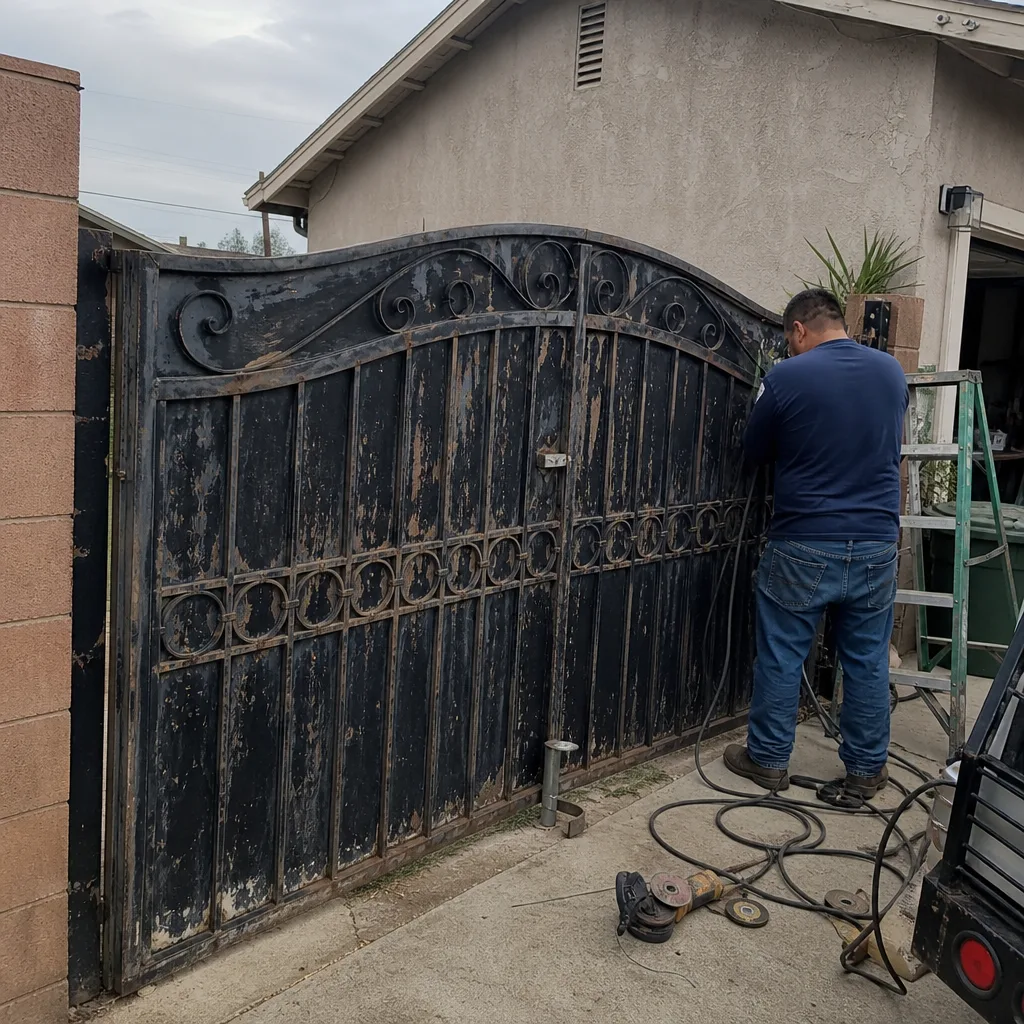 Before
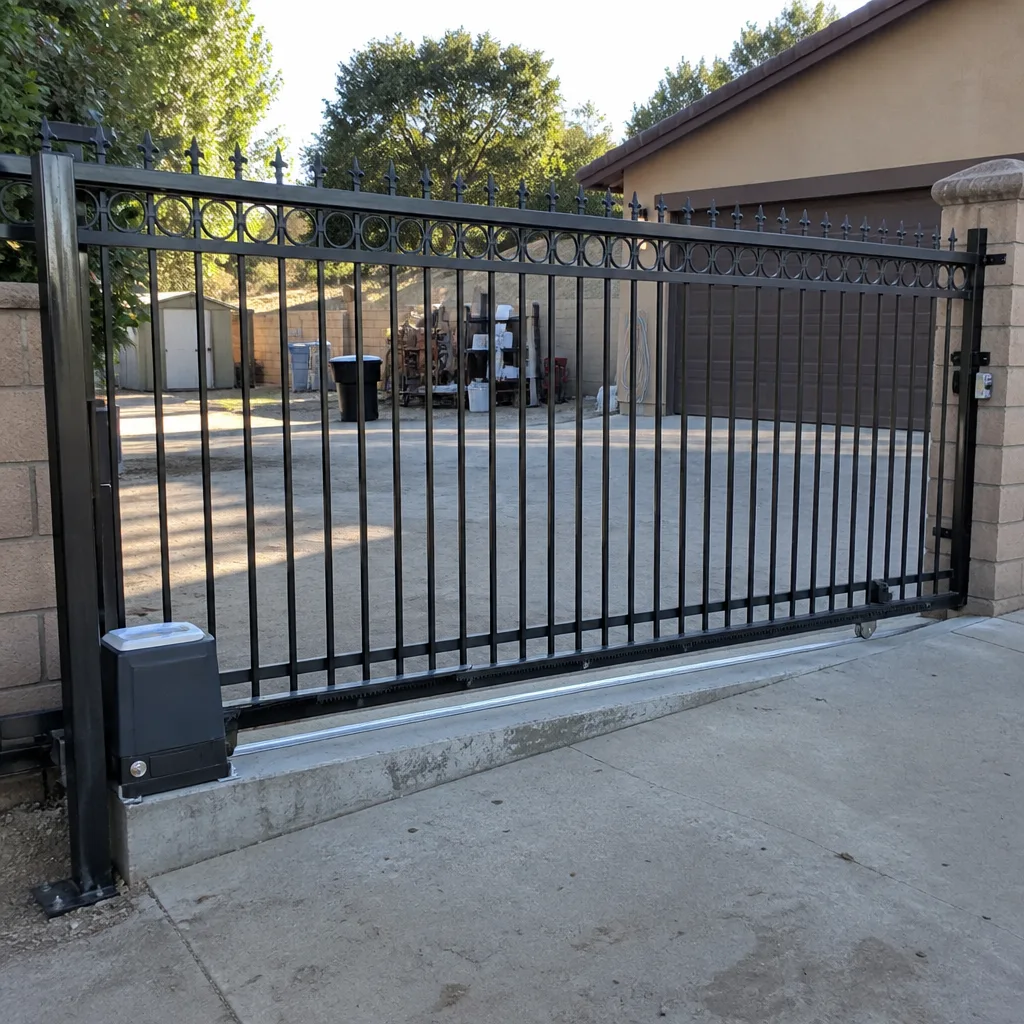 After
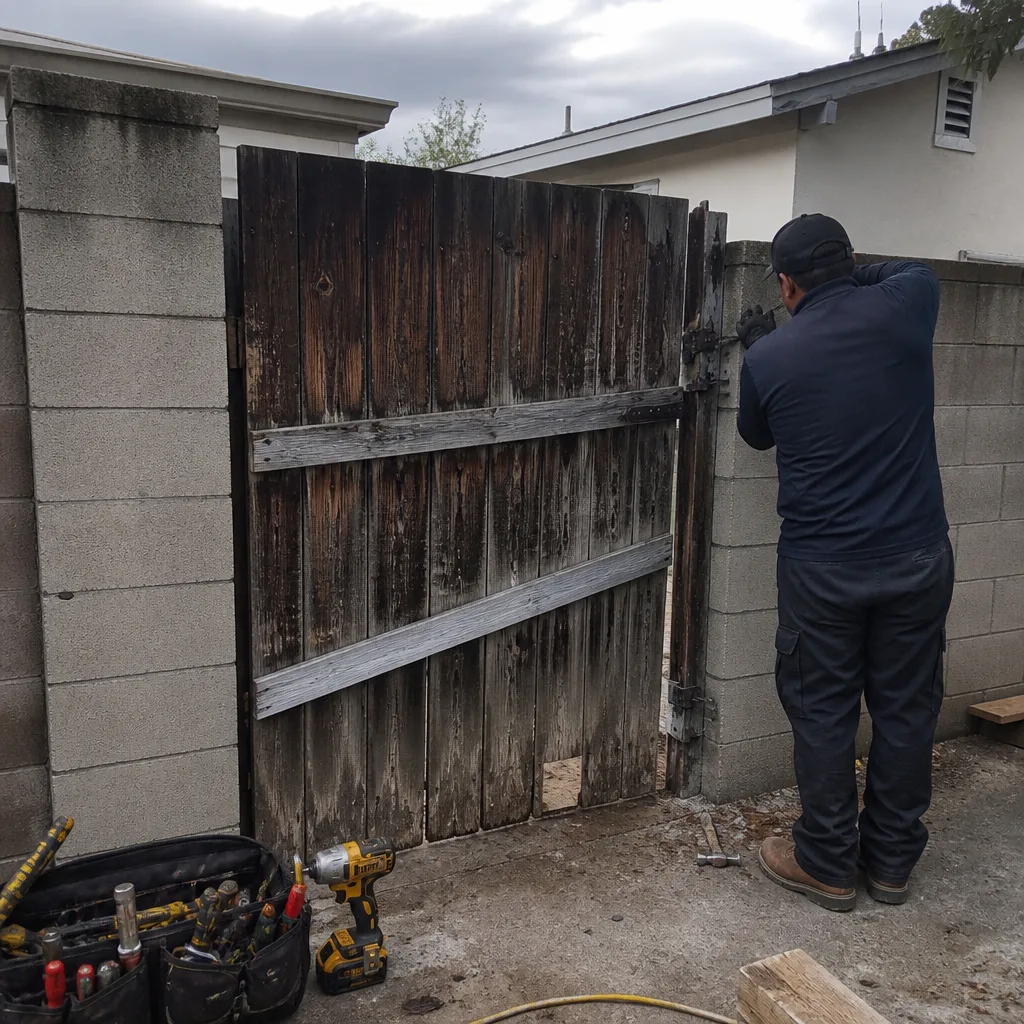 Before
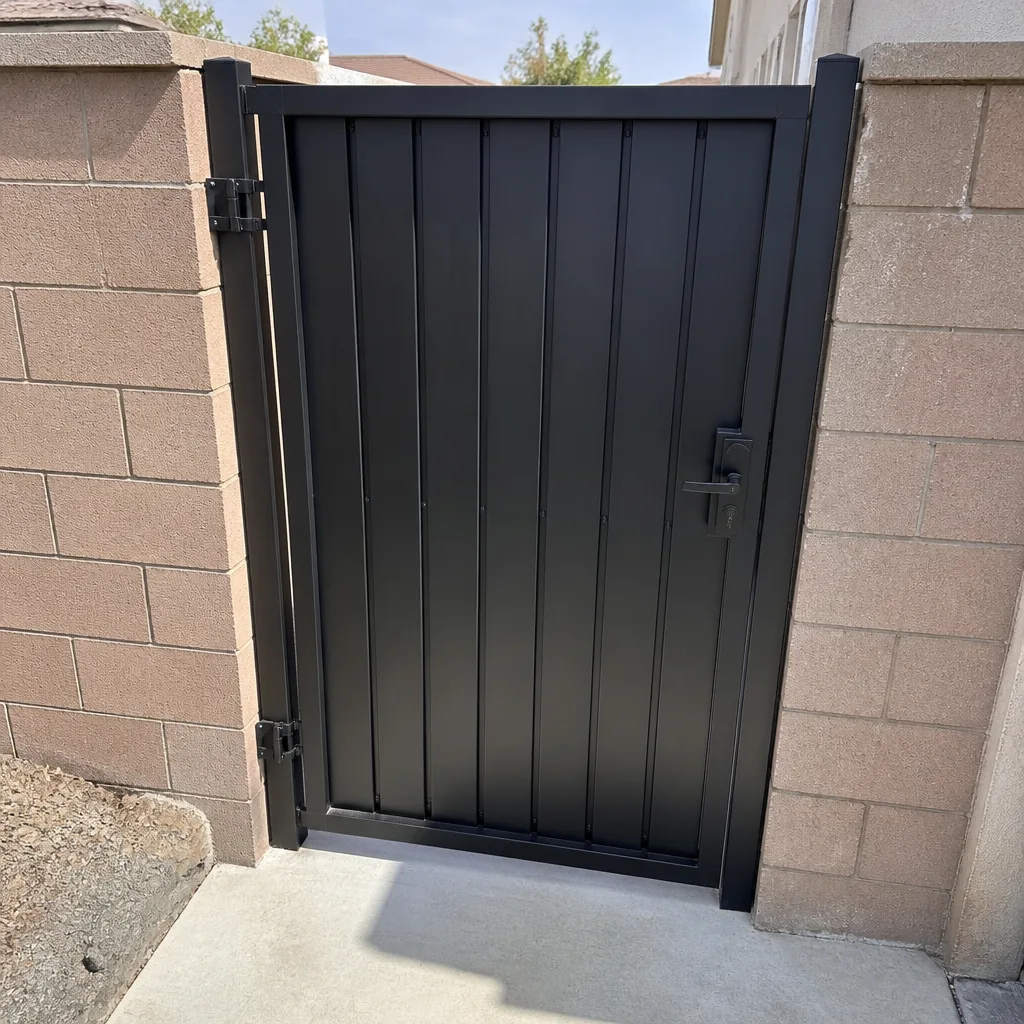 After
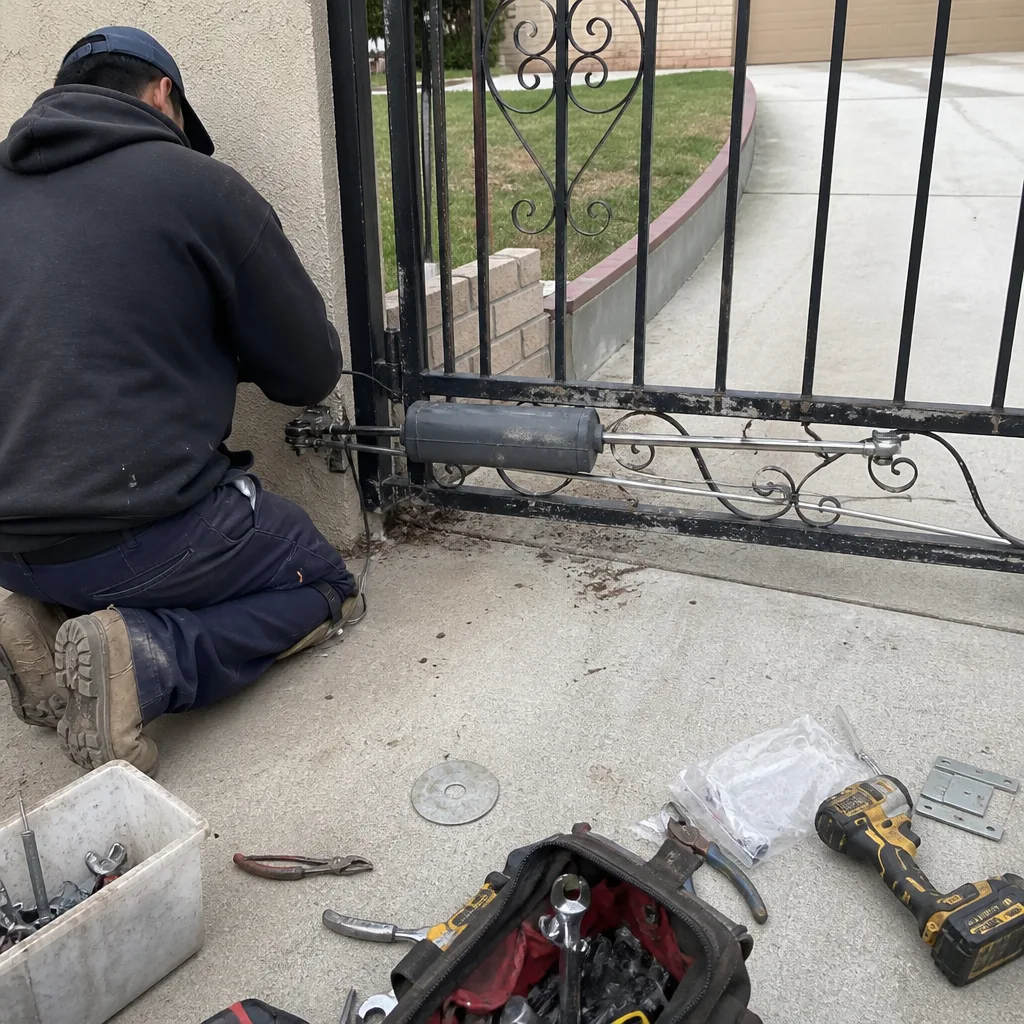 Before
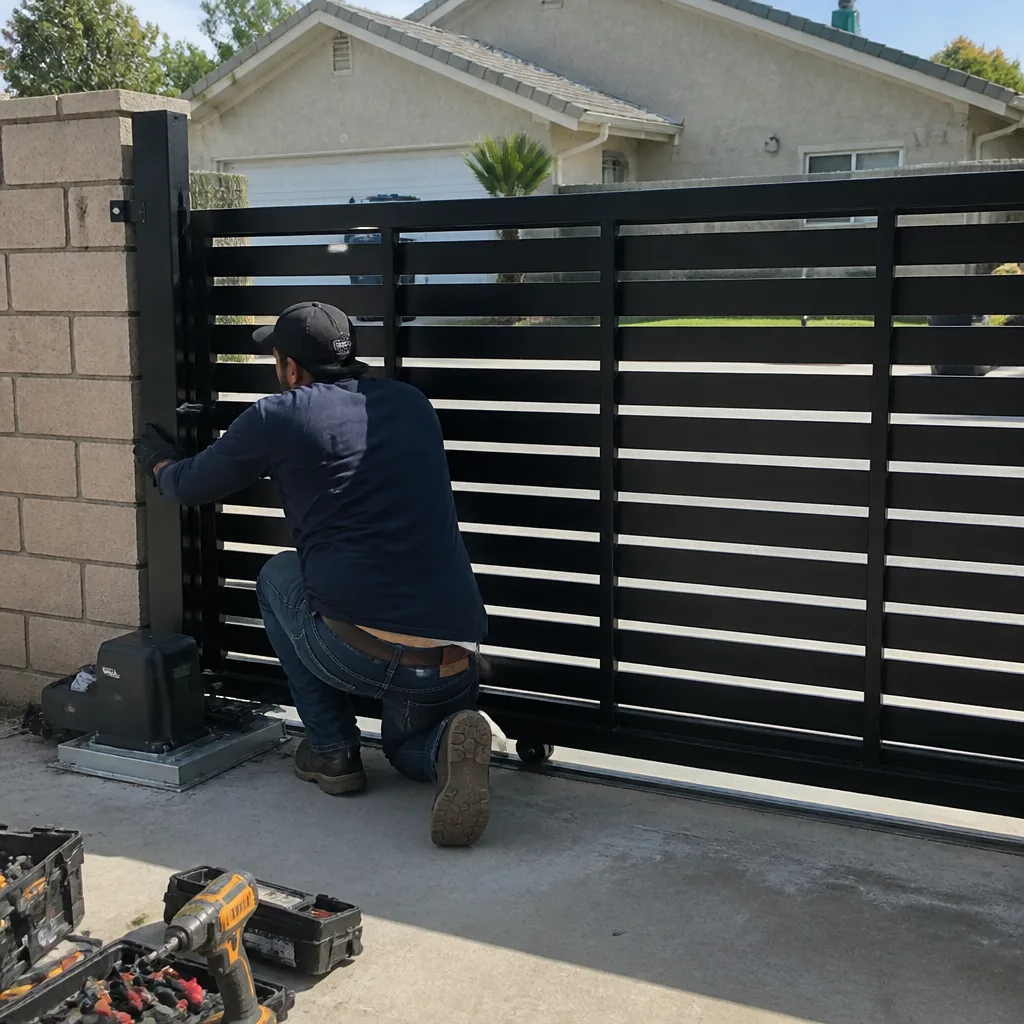 After